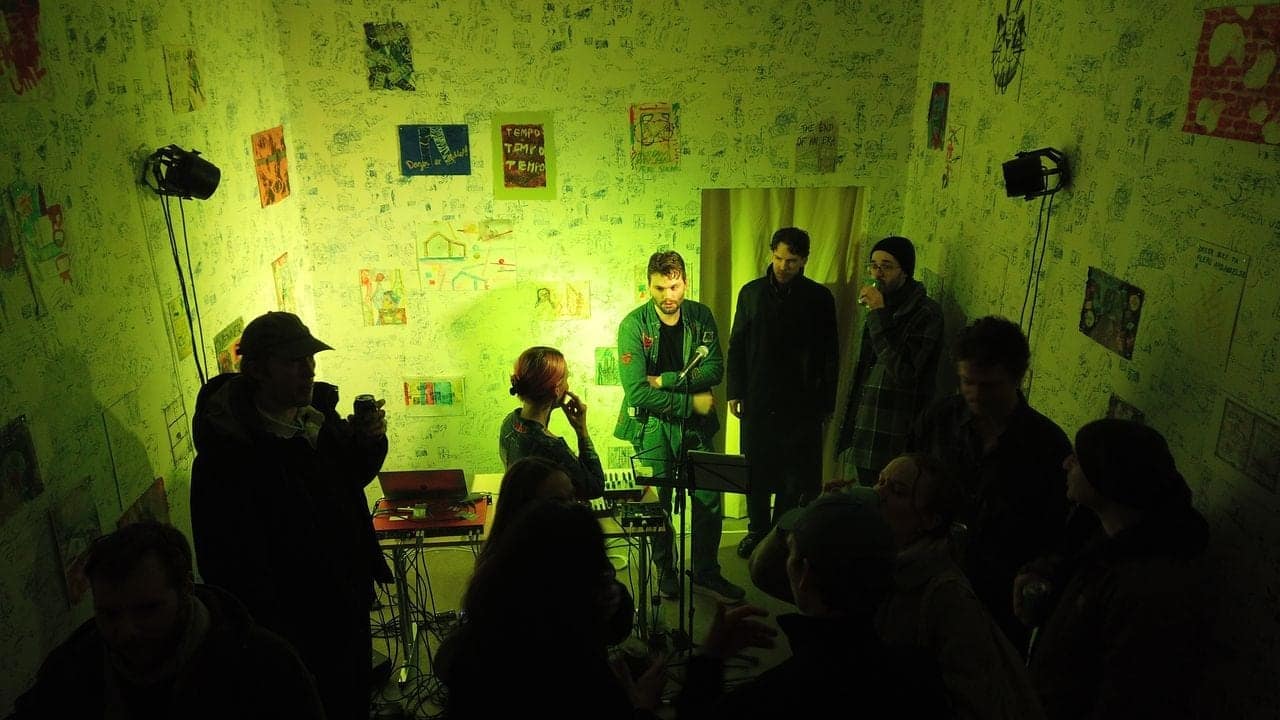
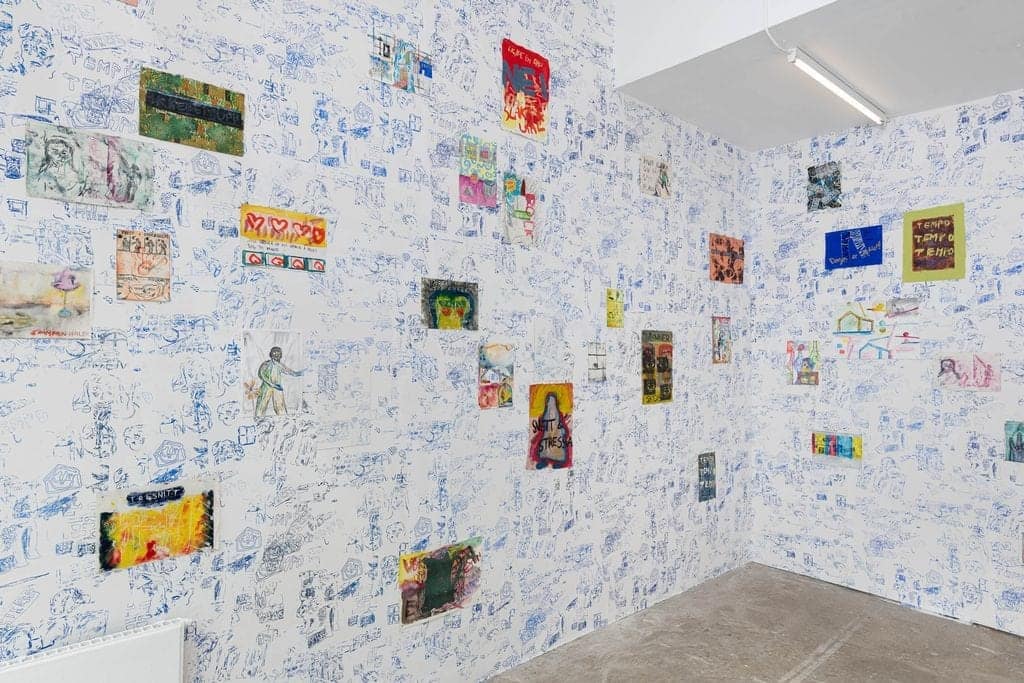
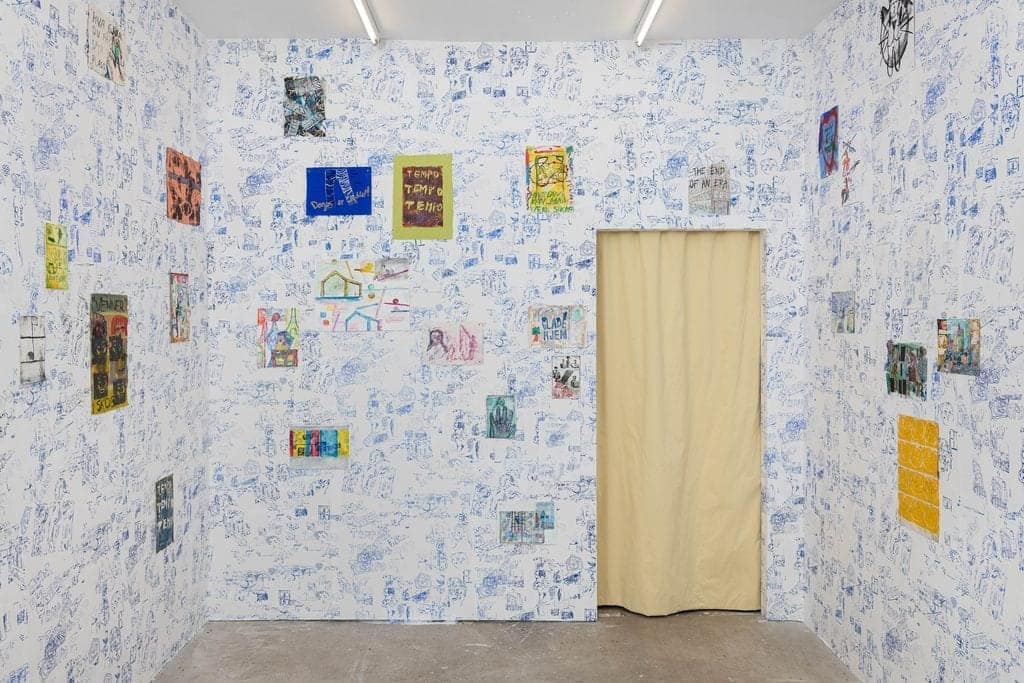
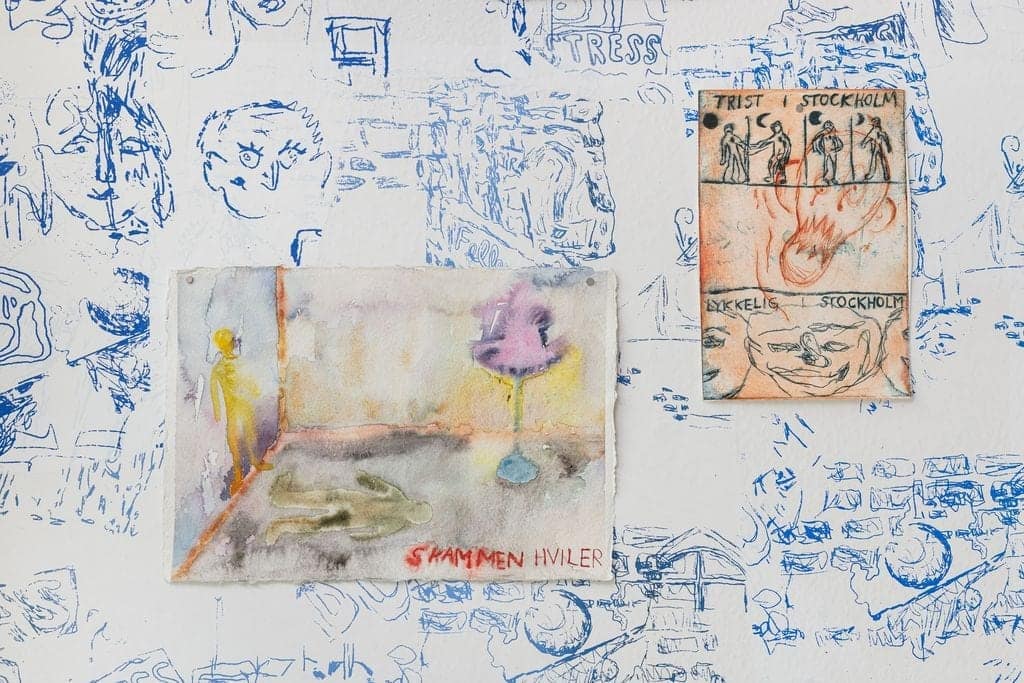
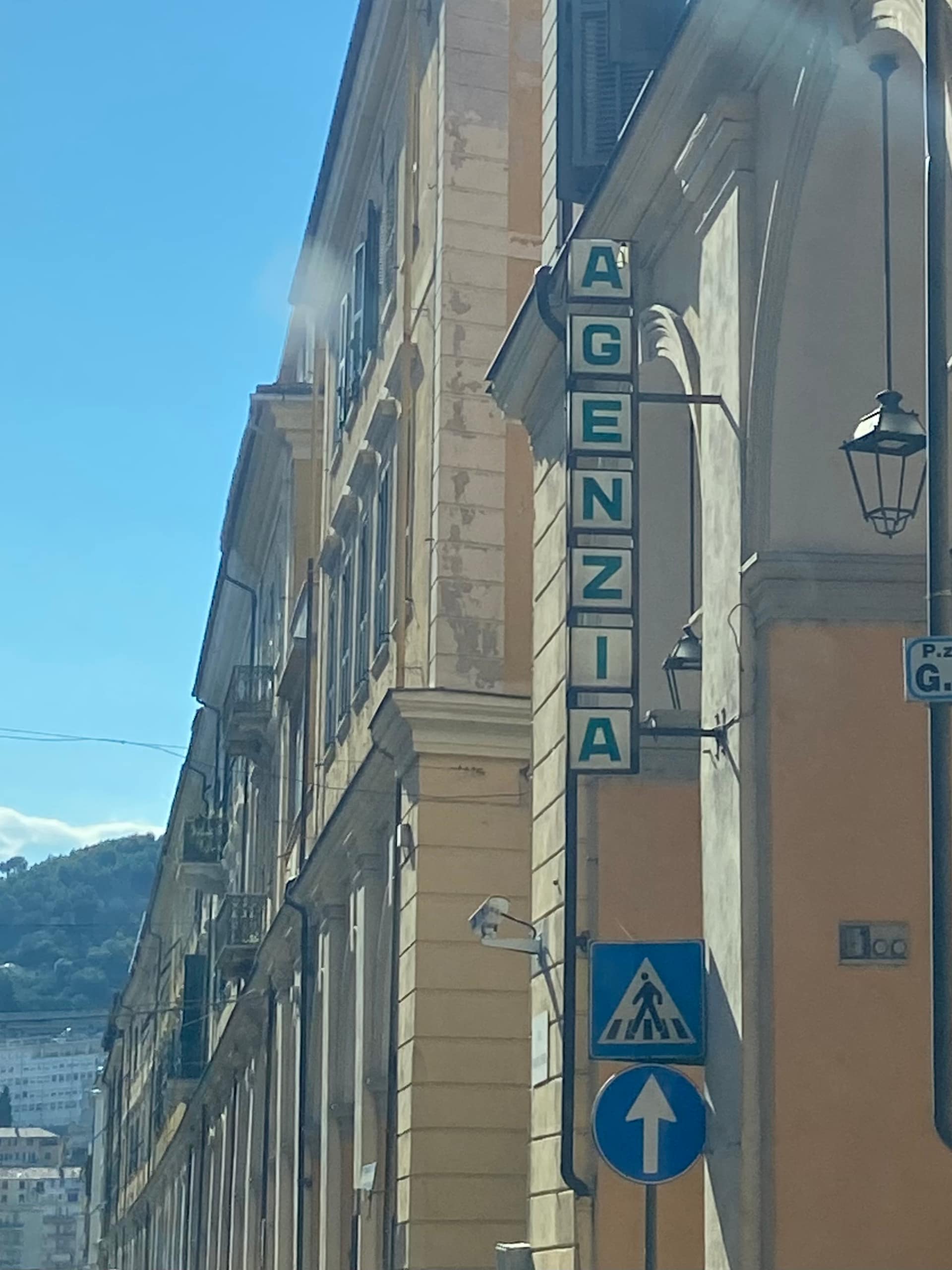
| 2026 | 26 September – 24 October | Exhibition | Camilla Løw | AGENZIA | Website↗︎ |
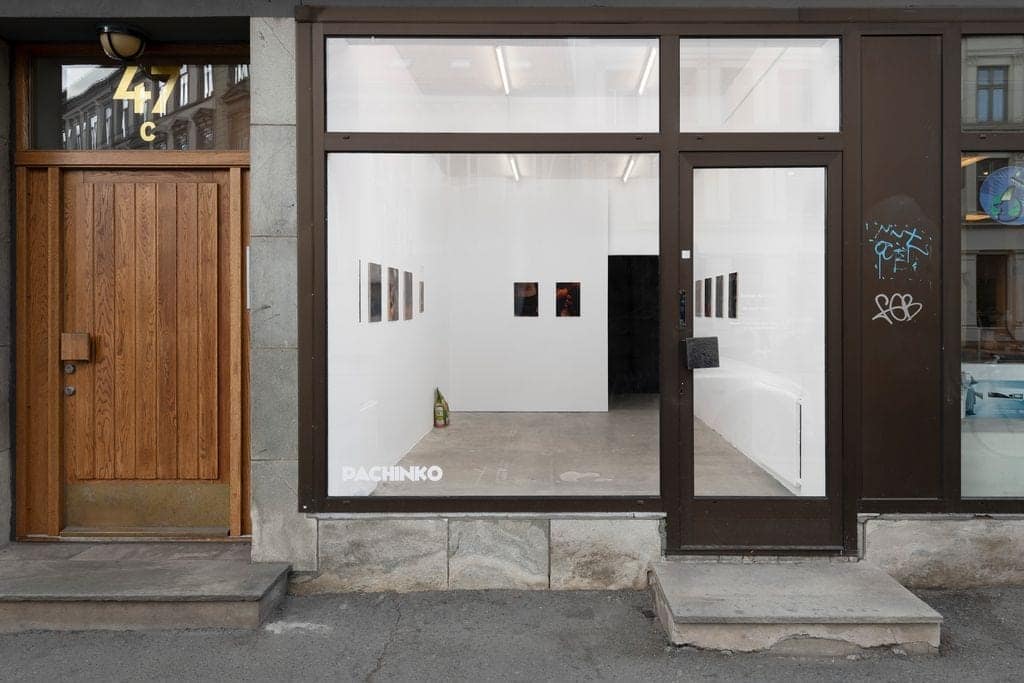
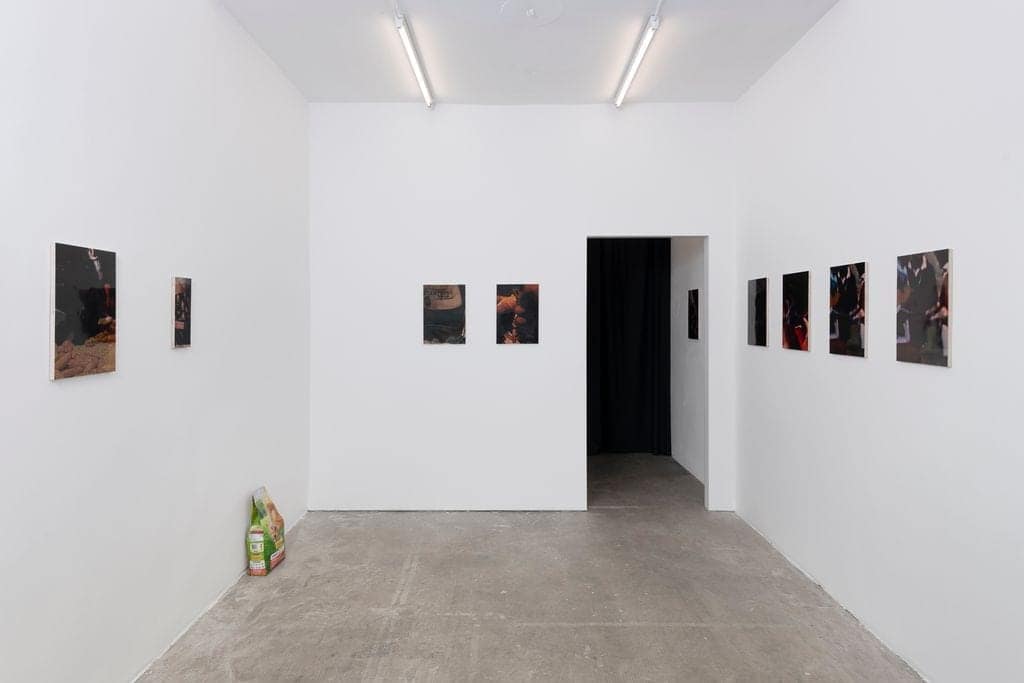
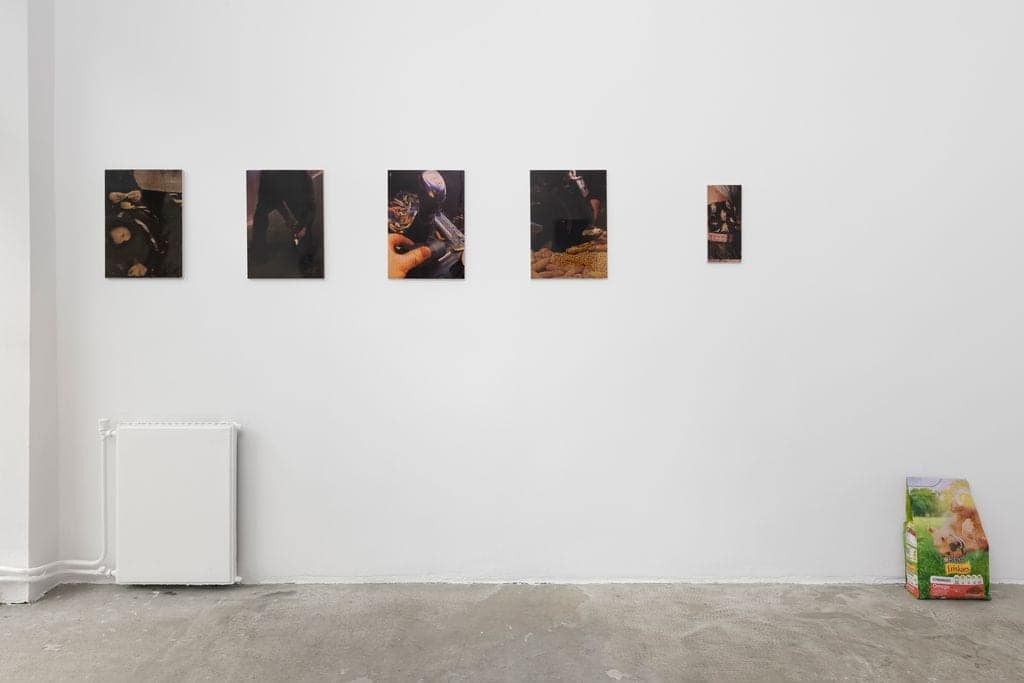
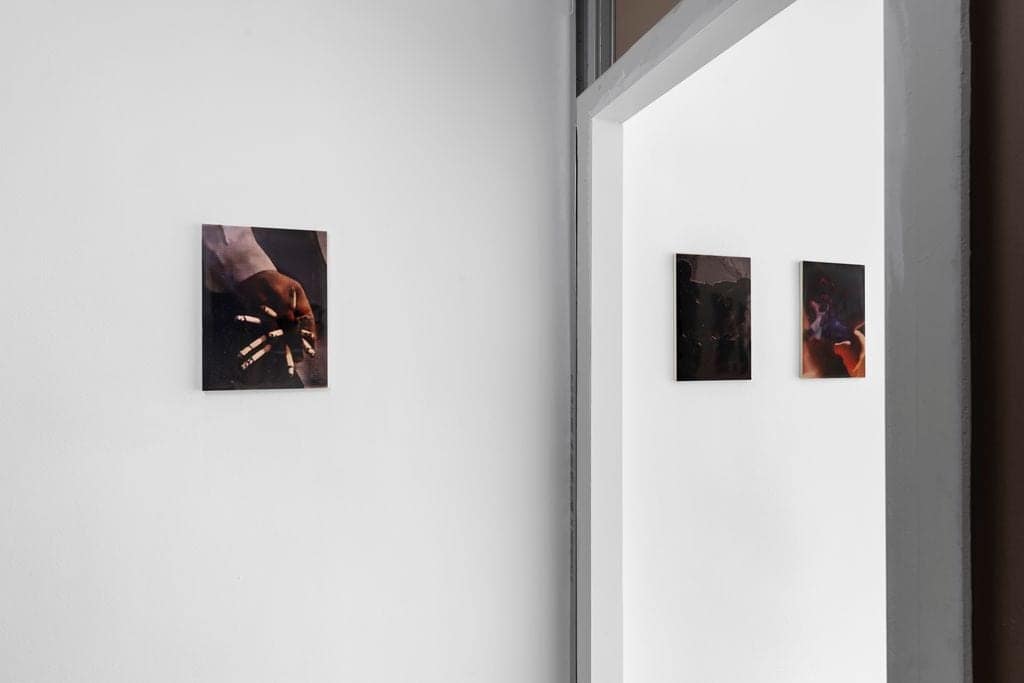
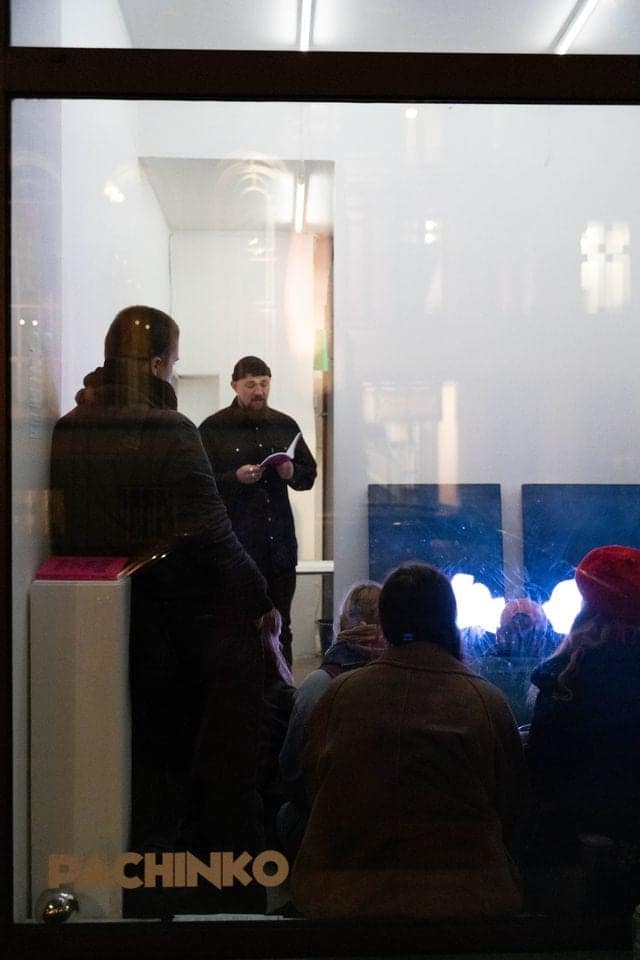
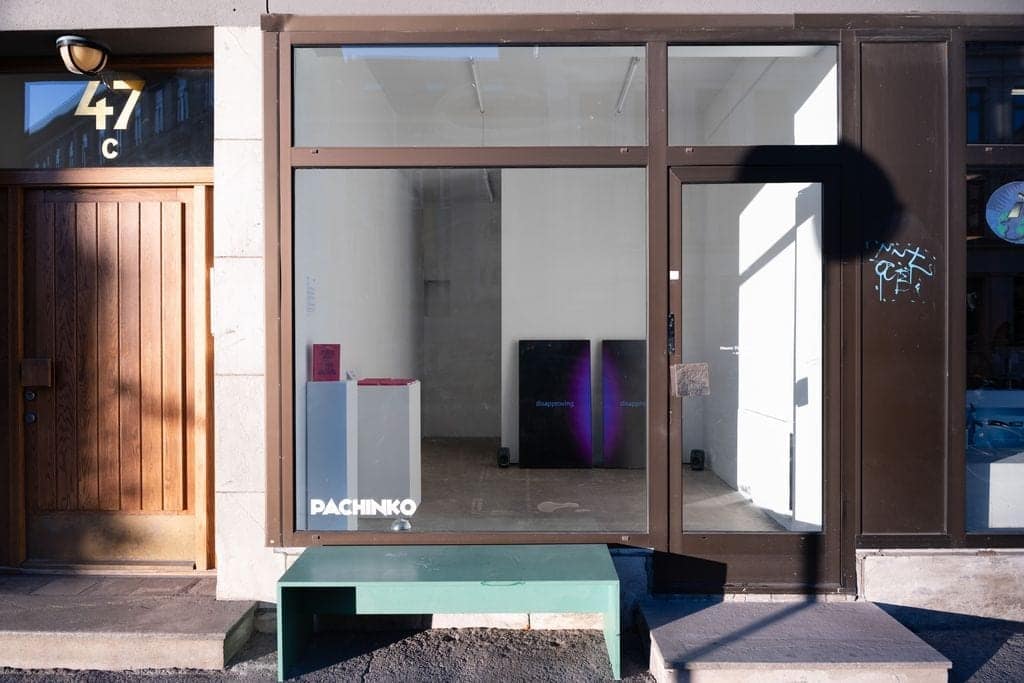
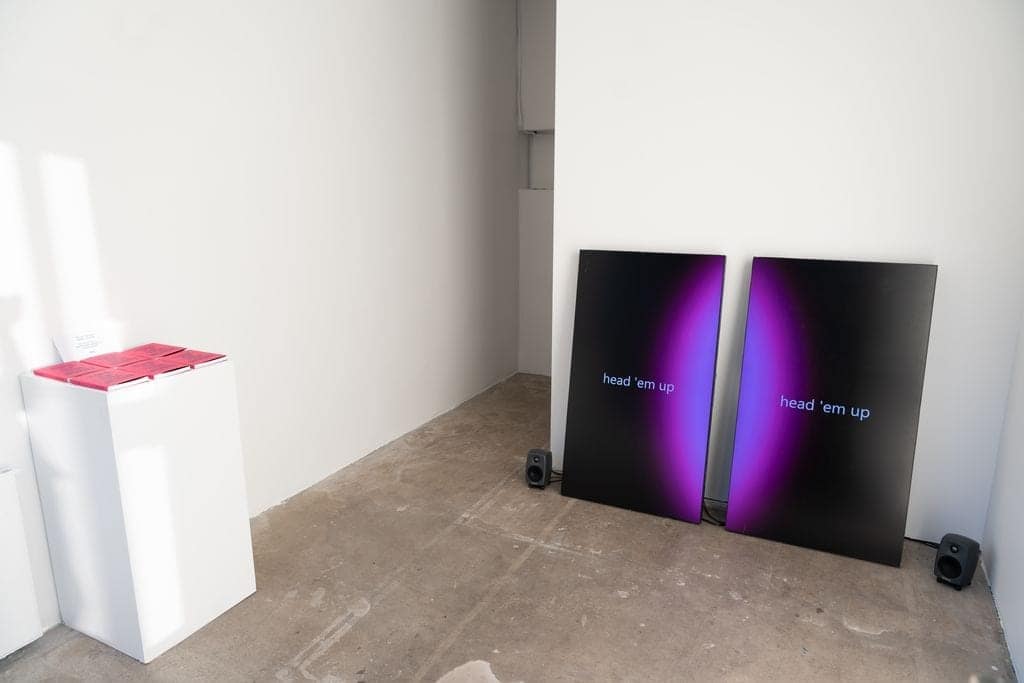
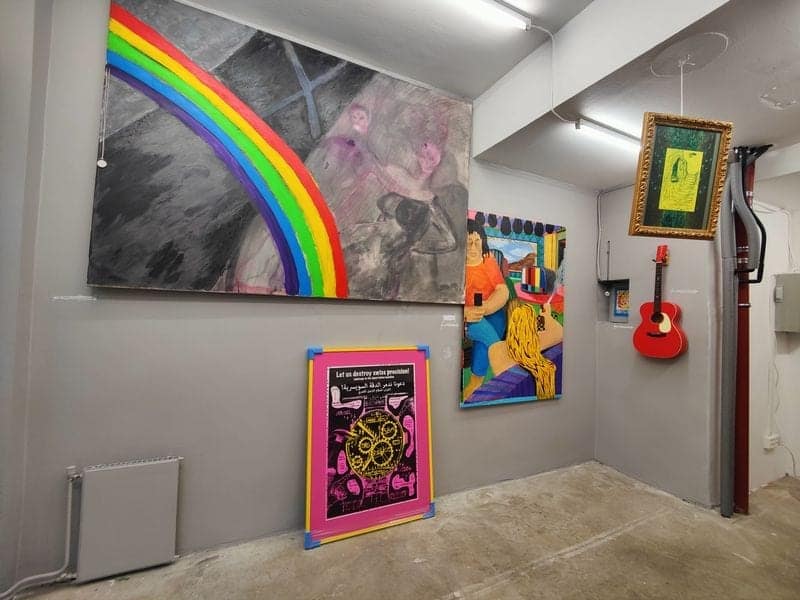
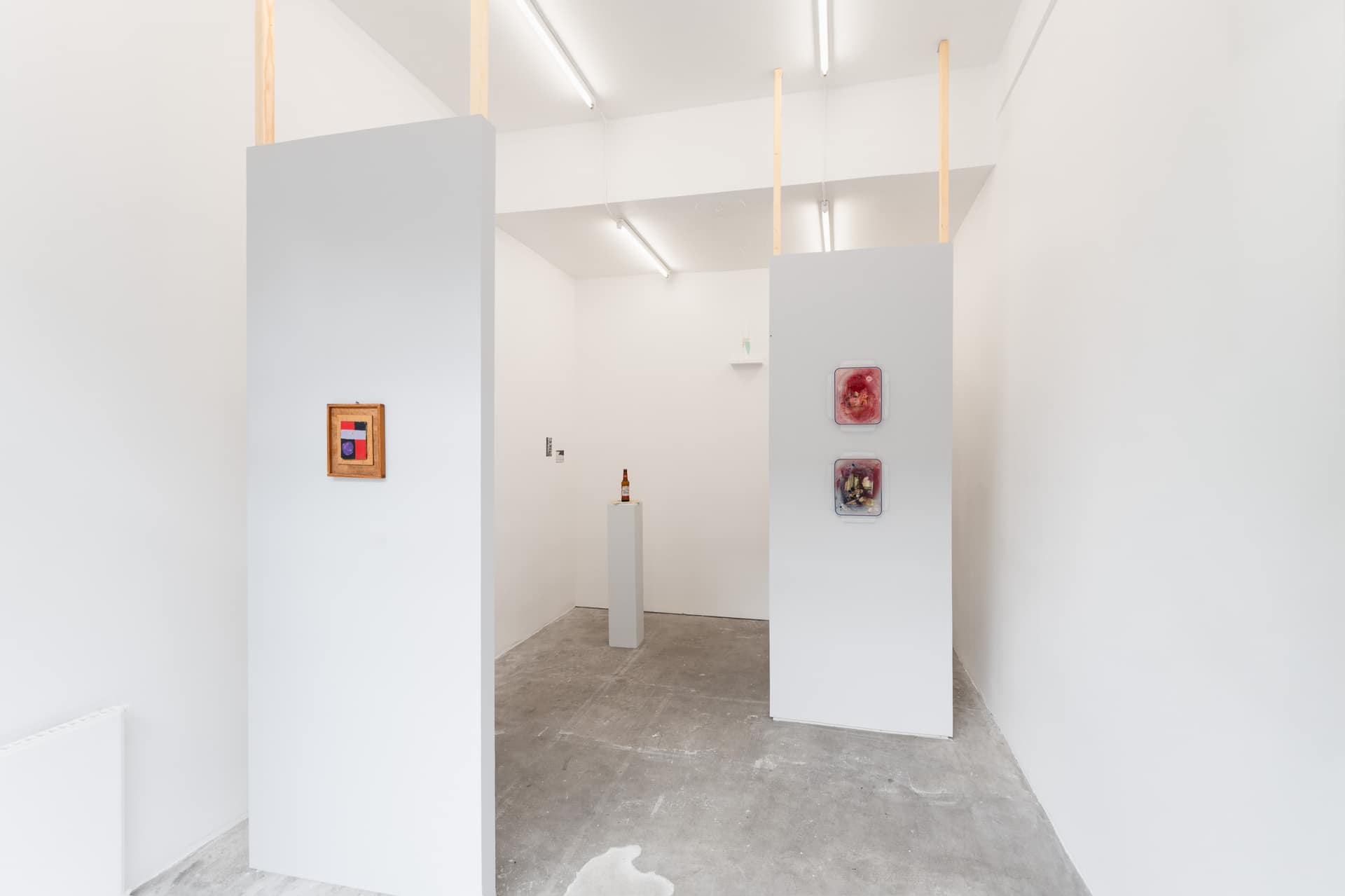
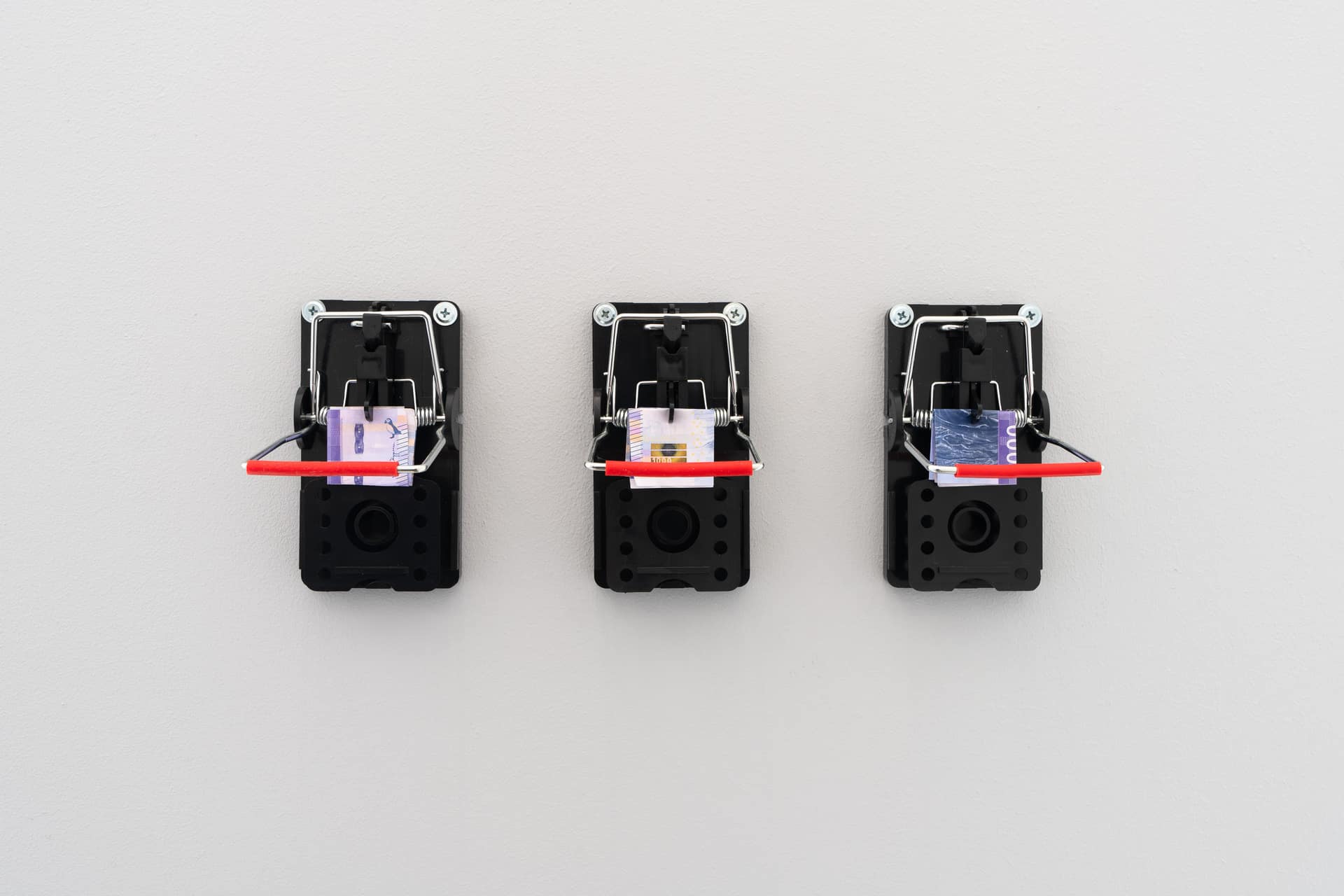
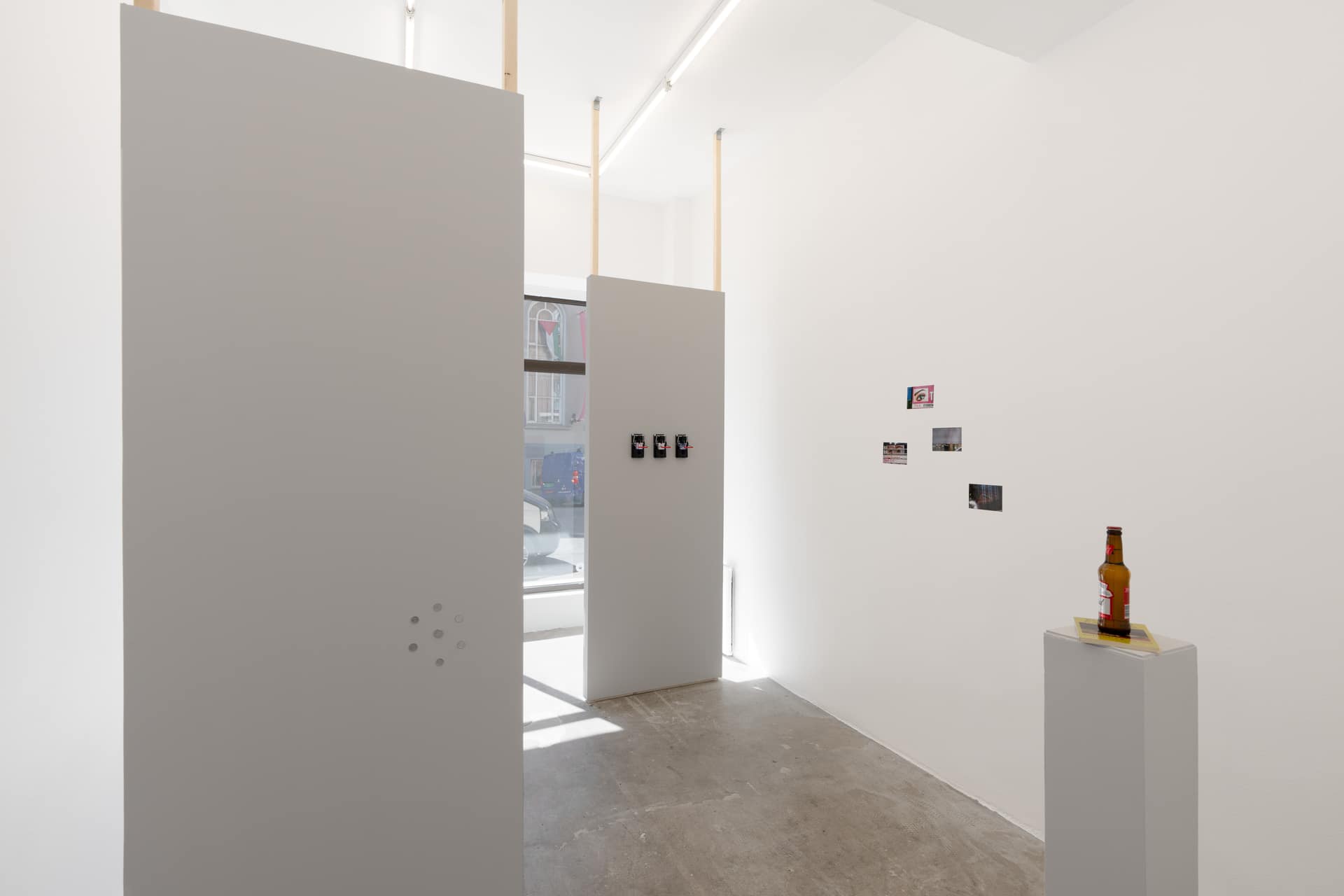
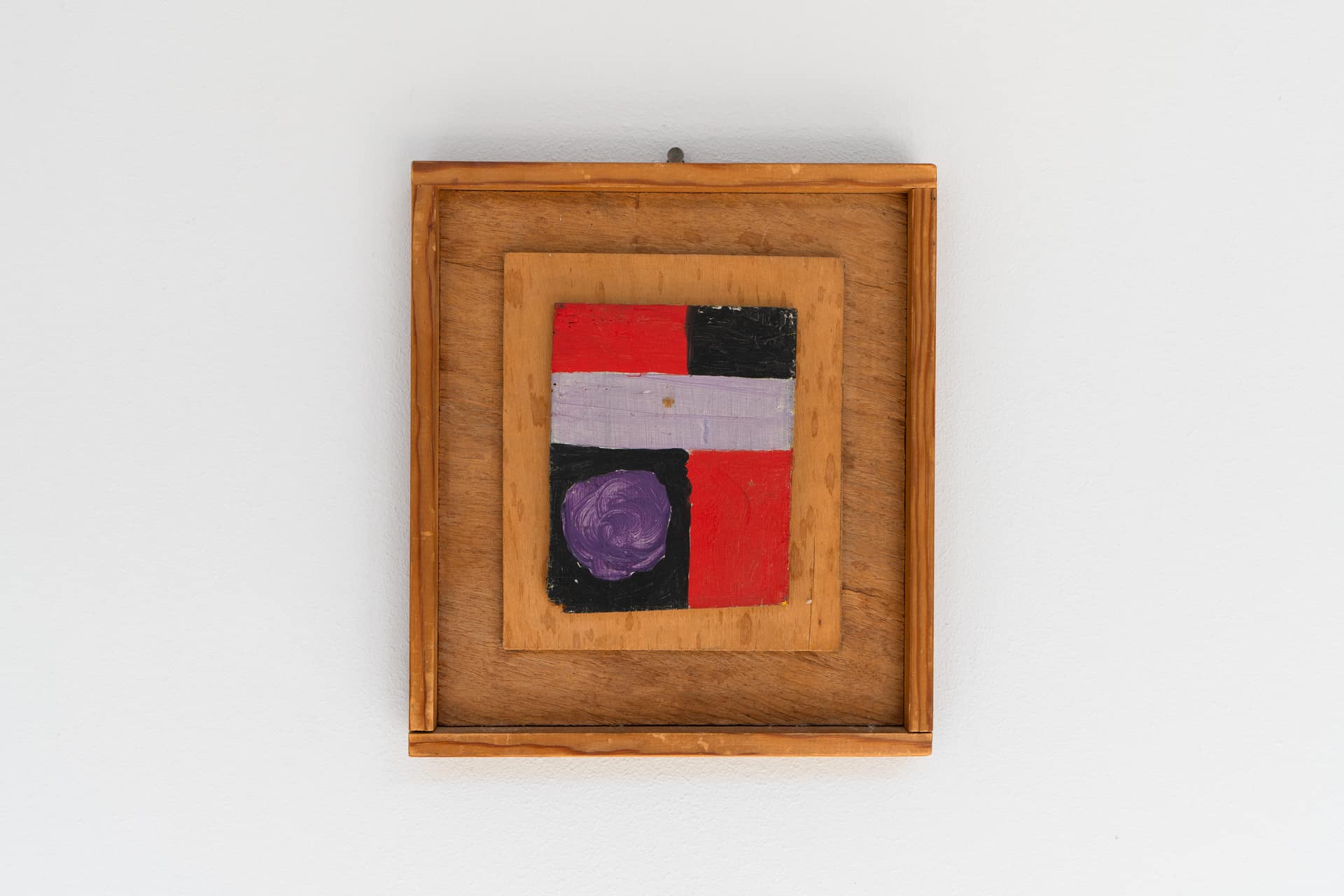
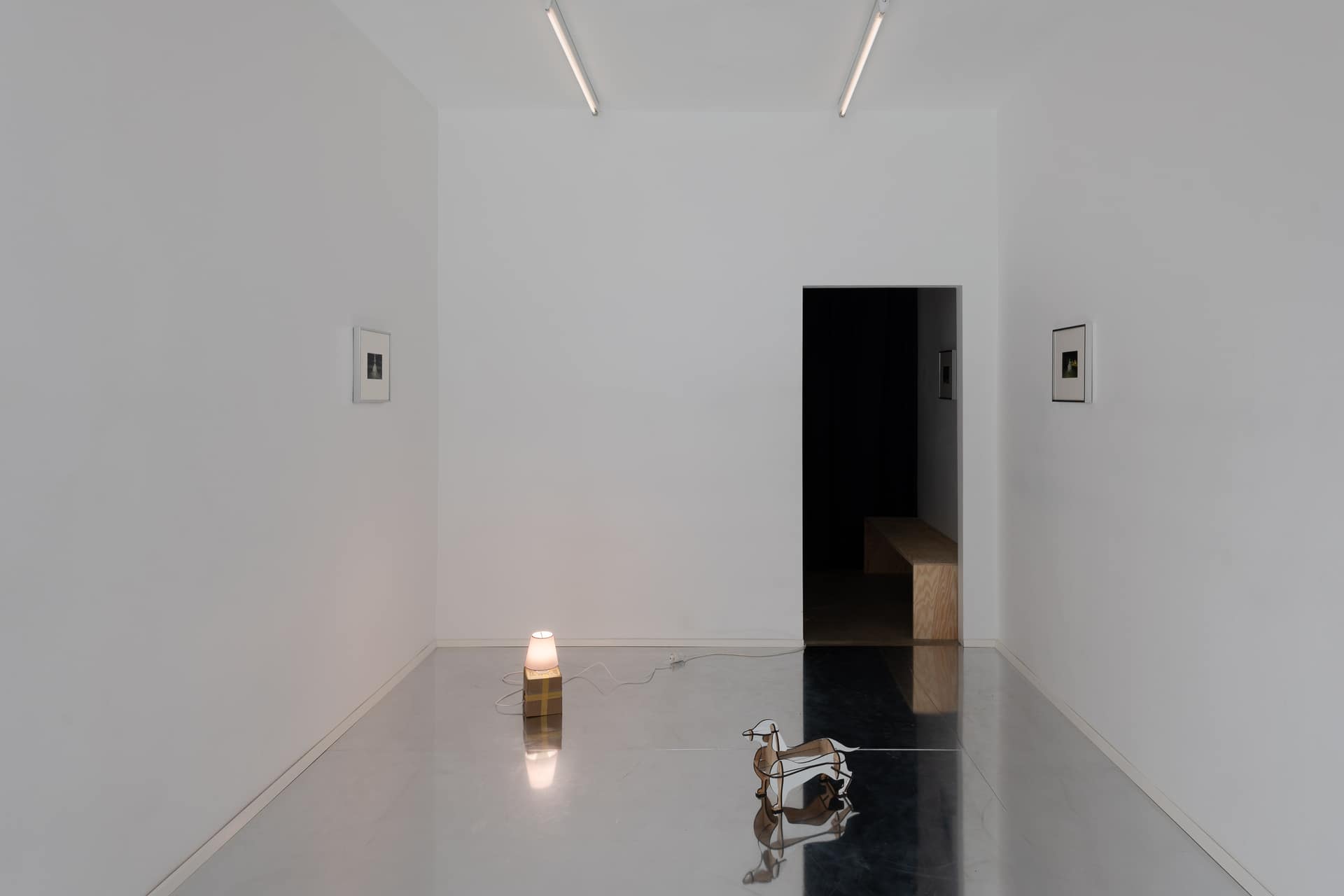
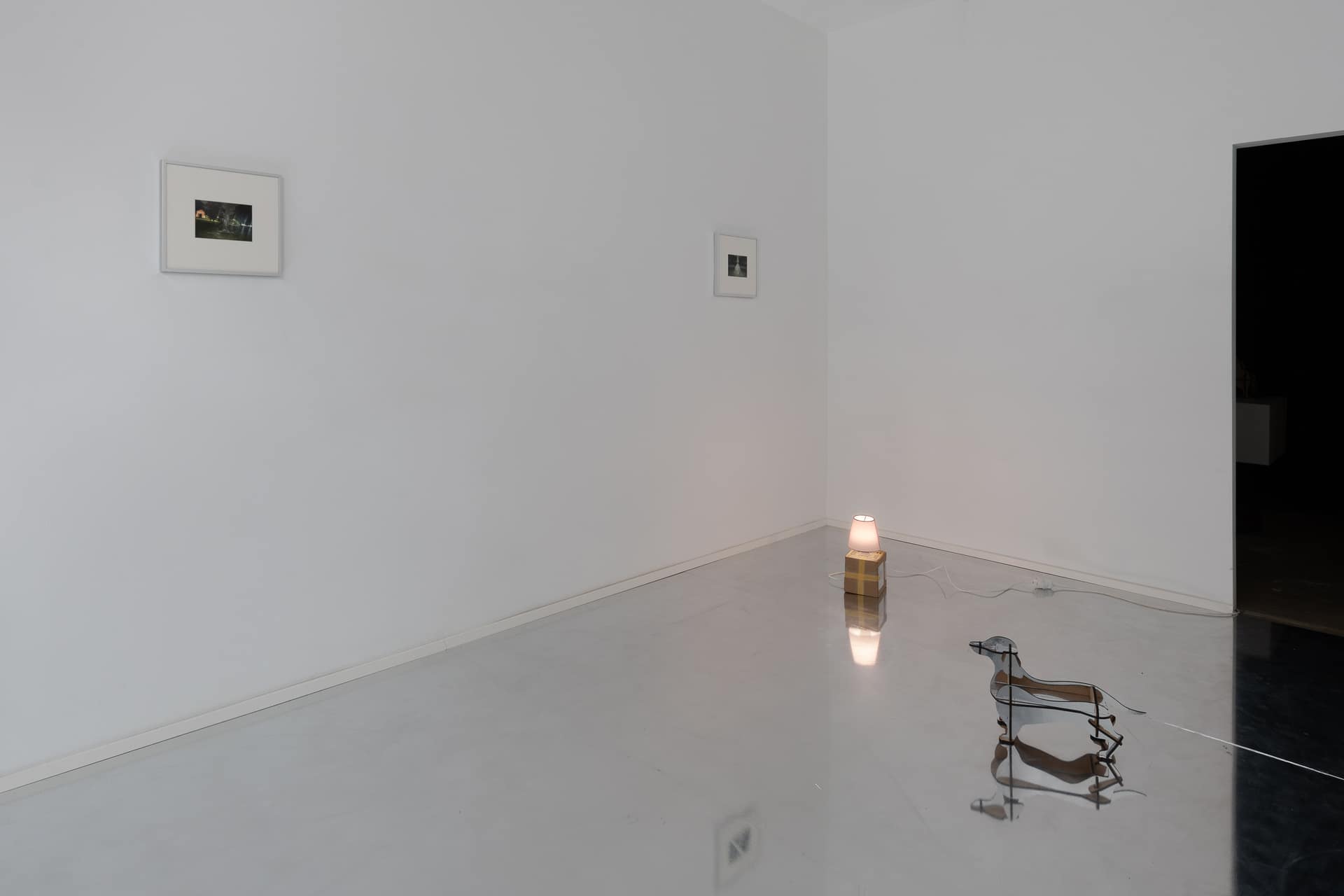
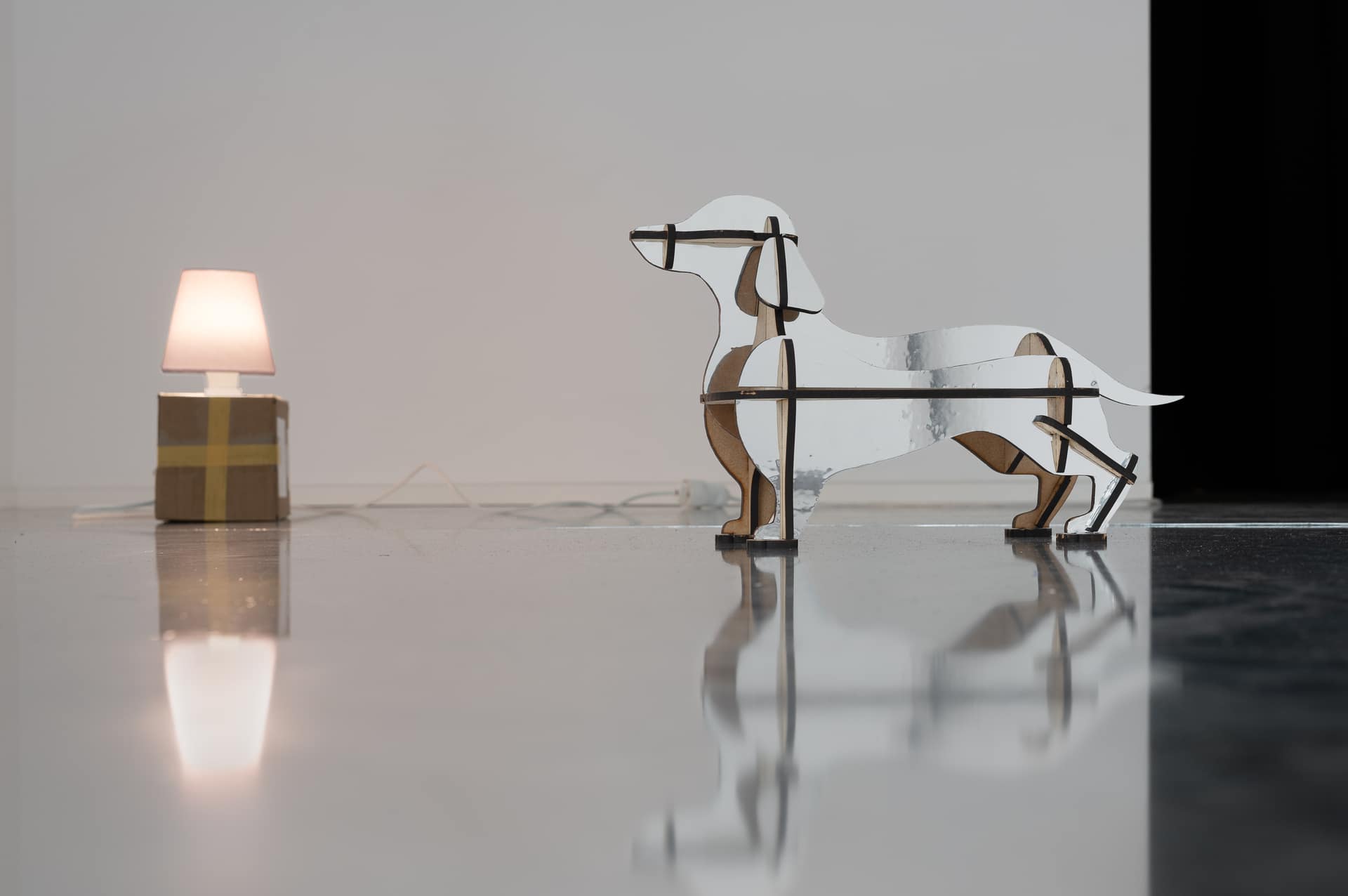
Pachinko is very pleased to present Camilla Løw’s AGENZIA. Camilla Løw (b.1976, Oslo, Norway) works through formal specificity, be this a relation to a space or a material body. Often embracing a visual language that recalls Constructivism and Minimalism, Løw's atmospheric forms do not just reference space but allow for a redefinition of space within the social psyche.
Camilla Løw graduated with a BA in Fine Art from the Glasgow School of Art (UK). She lives and works in Oslo, where she is Professor of Art and Craft at the Oslo National Academy of the Arts.
Select exhibitions include Space Junk, ISCA Gallery, Oslo, Norway (2021); High Rise, ISCA Gallery, Oslo, Norway (2020); Chain On Chain, Belmacz, London (2014); The Space of Shape-Time, The National Museum of Art, Architecture and Design, Oslo, Norway (2012); Straight Letters, Dundee Contemporary Arts, Scotland, UK, (2008).
|
| 2026 | 15 August – 12 September | Exhibition | Francesco Cagnin | Life in Lie | Handout↗︎ |
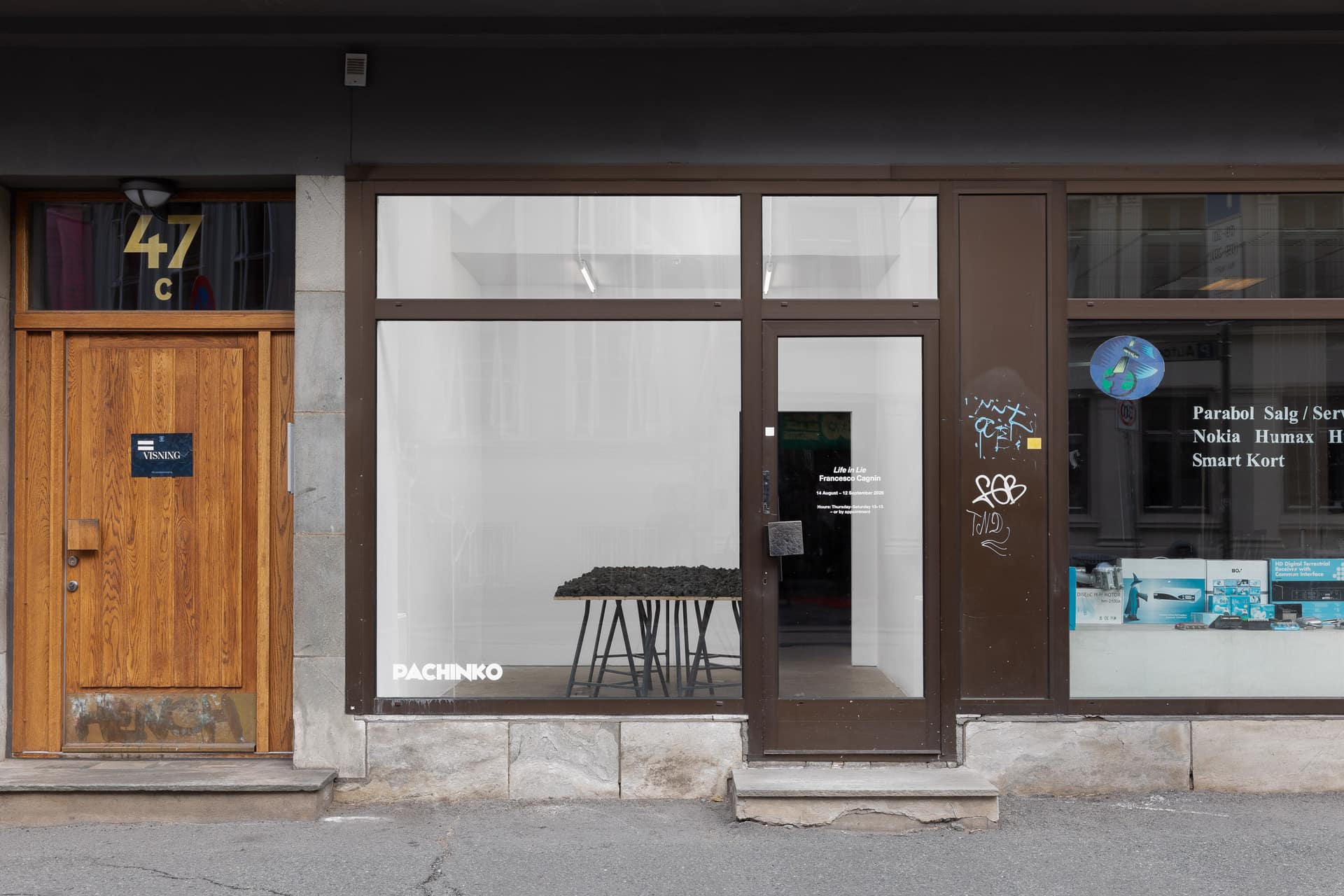
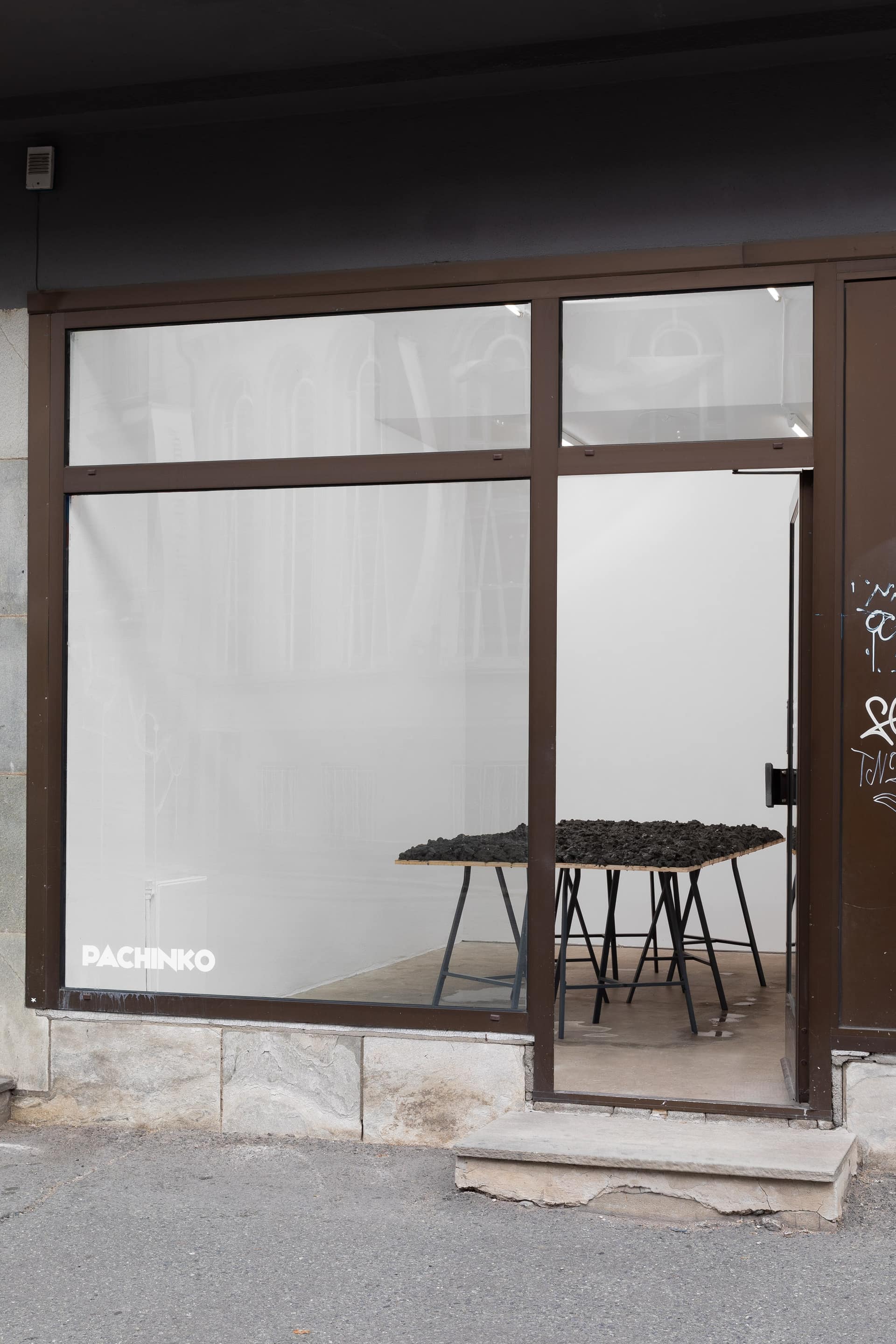
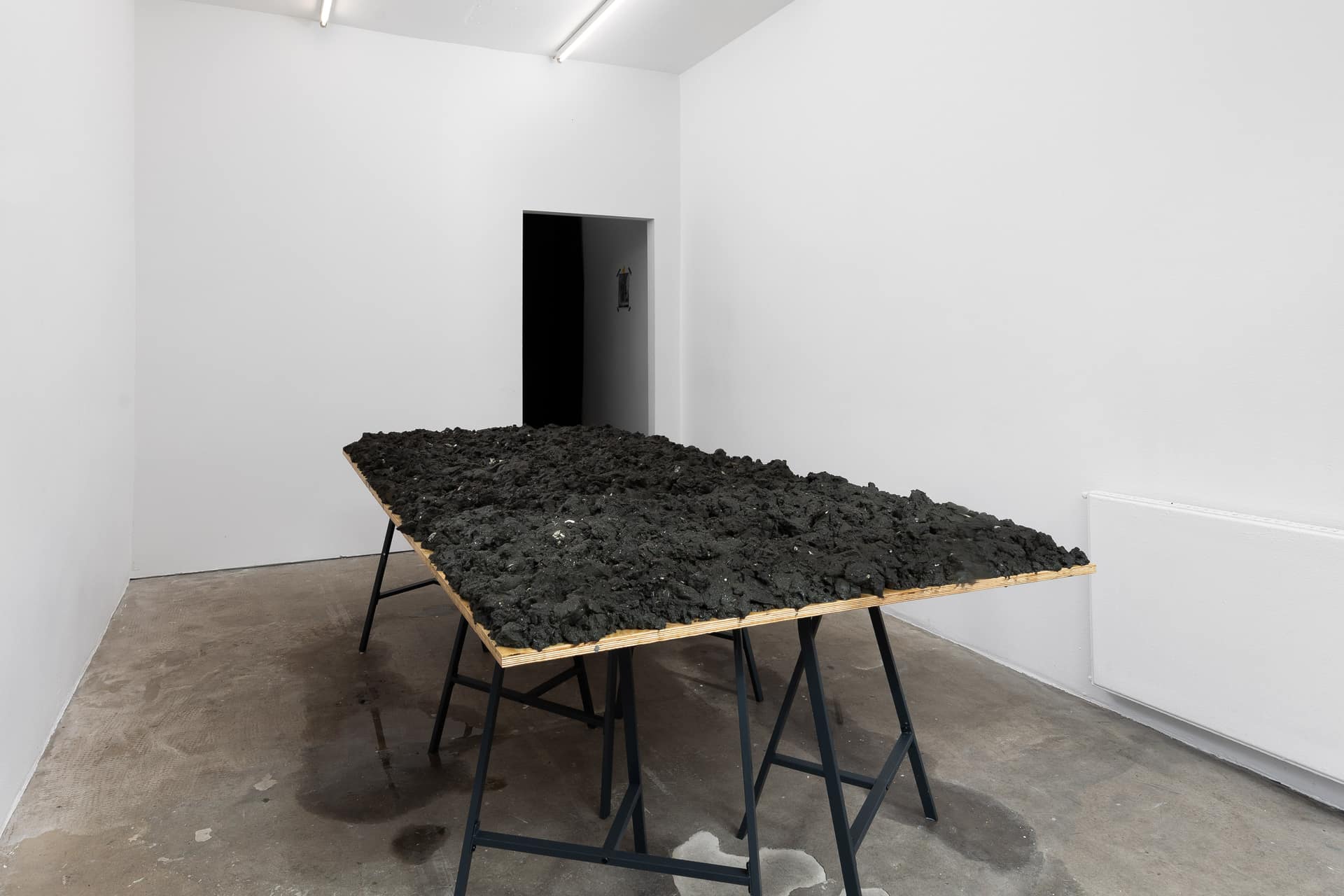
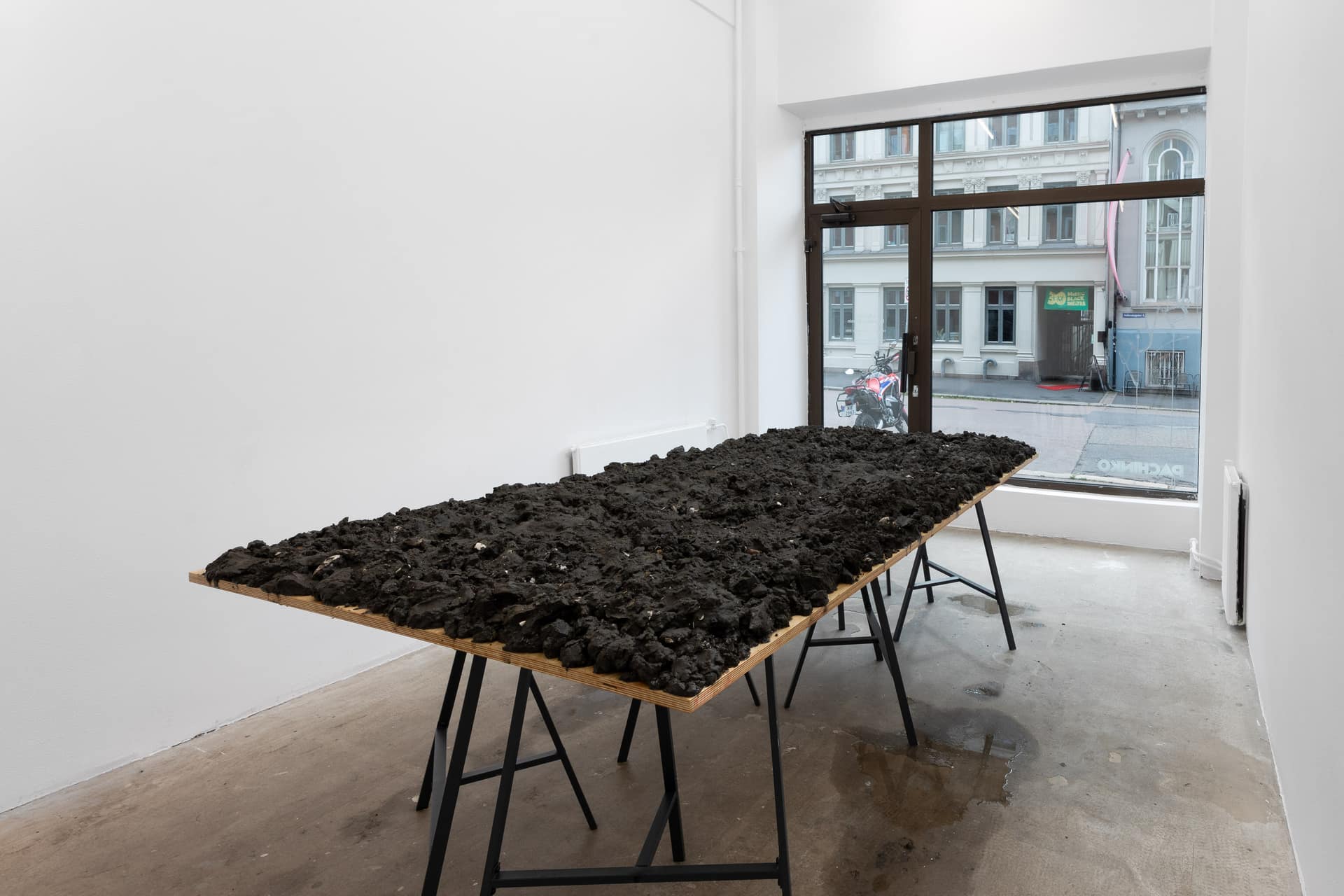
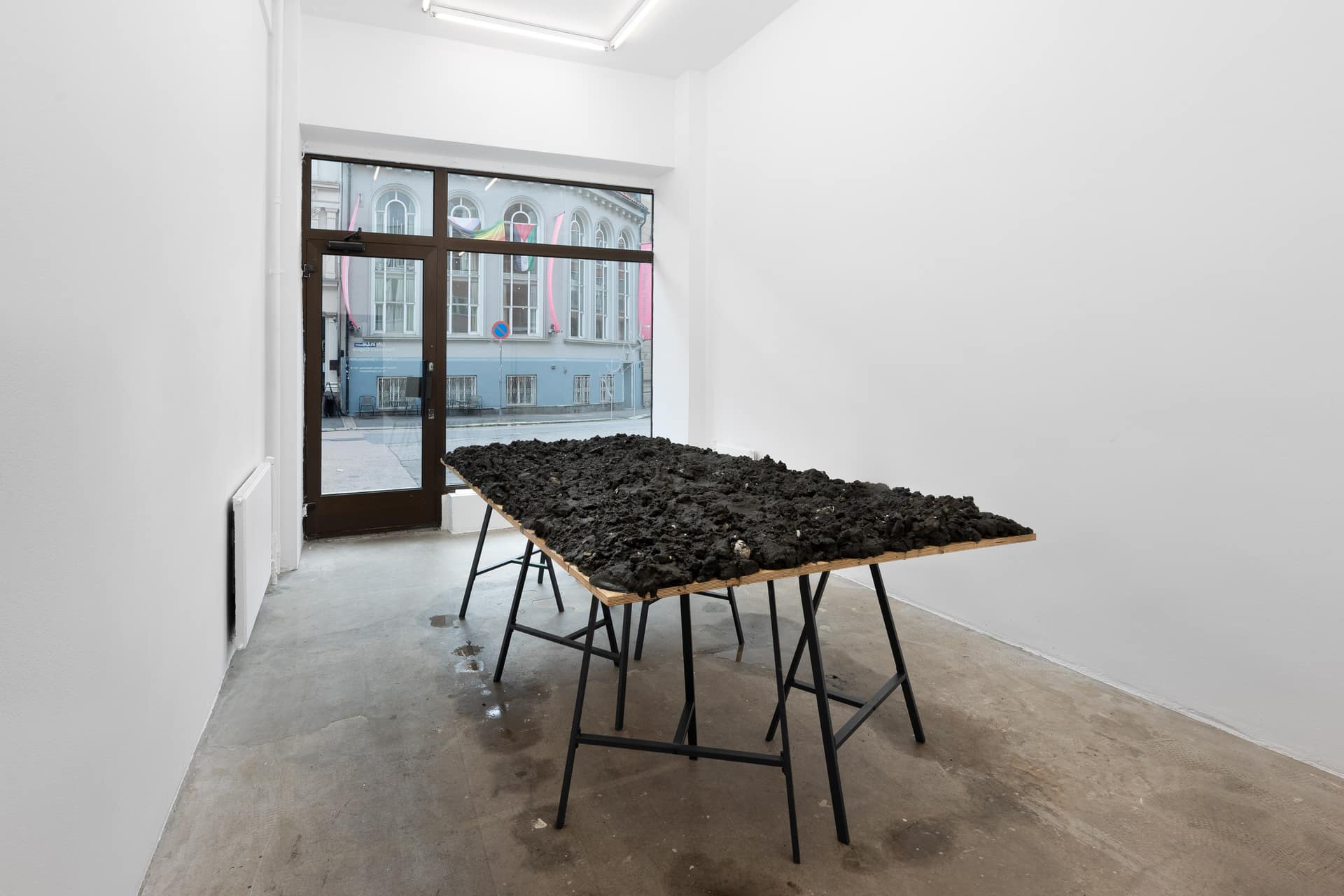
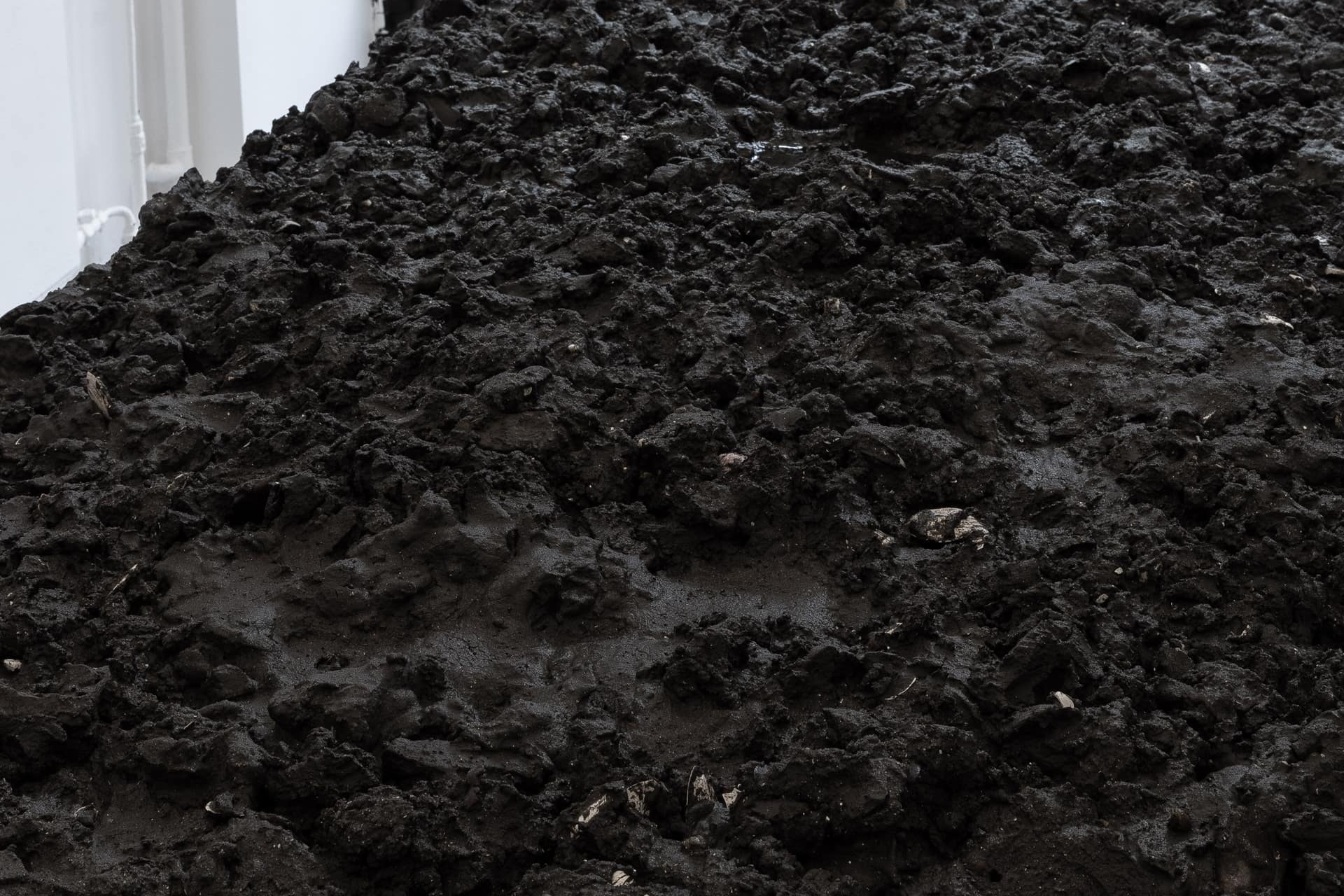
Bottom of the Fjord, 2026
Seabed on table
Variable dimensions
Francesco had 11 months to make the show. We met him at an art fair in Barcelona and extended an invitation at a café. We talked for an hour, while he laid out elements of contemporary life that he was either fed up with or still in love with. He had recently seen Lars von Trier and Jørgen Leth’s The Five Obstructions and proposed to watch it together; we never did. After briefly talking about minor emotional irritations, we exchanged hugs and decided to give it a couple of months before meeting again, now back in Oslo and Zürich respectively.
Francesco made it clear that he didn’t want to speak about money or potential funders. It was either of no interest to him, or ruined the interest in everything else. He was keen to be subjected to limitations. Stepping out of our usual role as producers and allies, we proposed to Francesco that he make a work about love. He never responded, instead showing us images of one of his newer works, Intolerance. Months later, during an hour-long meeting from a car, excitement grew with the proposal of a new work, described and later titled as Bottom of the Fjord. The work is the laying out/bare a quarter of a ton of seabed. Initially described as a gut-mind connection trust operation, it was always a very concrete and practical proposal. It was never about Oslo, as the piece can be reproduced in different contexts, nor ecology, an abject and formless matter, or sculpture, although it wouldn’t matter if it were to be read in such a way¹.
During the preparation of Life in Lie there was, for a while, an image problem as any image seemed too partial. The broader image became too abstract. And everything else — the riddle he avoided, because riddles, a trigger-word, are sentimental (they believe obstruction exists in order to be solved); the diagram he wouldn’t employ (because diagrams are even more moralistic than riddles) — came down to the same fundamental suspicion: to make something clear, one first has to agree on what the information is, and why it has been arranged that way. This is very convenient, unless convenience is the problem.
¹ Francesco Cagnin: “In the last few weeks, while exercising my imagination and trying to visualise Bottom of the Fjord inside Pachinko, I started noticing something strange: my news feed suddenly filled with images of the exposed bottoms of other bodies of water, revealed by this summer’s drought. I couldn’t help reading this coincidence as a kind of omen. There is a recurring tendency among certain artists to notice something in reality, unscrew it from its context, and rescrew it onto the wall of a gallery. The number of coincidental encounters that have accompanied the making of this work makes me think that many of us are trying to deal with similar things, only through different forms. And perhaps it is precisely when those forms begin to differ that we are prompted to disagree.” An artist born in Mirano, on the mainland of Venice, and based in Zurich, Switzerland, Francesco Cagnin studied at IUAV (Venice), SOMA (Mexico City), and graduated at ECAL (Lausanne) in 2016. His work has been exhibited internationally, including at Autokomanda Belgrade, Kunsthalle Zürich, Centre d’Art Contemporain Geneva, Fondation Ricard Paris, Fondazione Bevilacqua La Masa Venezia and the 16th Quadriennale di Roma.
|
| 2026 | 30–31 May | Art Fair | Hannah Heilmann, Albert Mertz, Natalie Price Hafslund, Jonathan Monk, David Shrigley, Henrik Plenge Jakobsen, Tora Dalseng, Goodiepal | Barbara | |
Hannah Heilmann, Albert Mertz, Natalie Price Hafslund, Jonathan Monk, David Shrigley, Henrik Plenge Jakobsen, Tora Dalseng, Goodiepal 30–31 May 2026 The first edition of the artist-run fair Barbara brought together Oslo’s artist run spaces under one roof (let’s hope it won’t be the last.)
Featuring:
Centralbanken, 69, Hulias, K4, Pachinko, Podium, Royal Flux Gallery, Salgshallen, Sandaker Trialektek, Schutzhaus, SNAILS, Trolldays & Trollnights, Spjeld, Suvatne & Erakovic, Van Etten Hannah Heilmann (b. 1978, DK) lives and works in Copenhagen. She holds an MA in Art History from the University of Copenhagen and is an Associate Professor at the Royal Danish Academy of Fine Arts, Copenhagen. Heilmann co-founded the artist-run exhibition space TOVES (2010–2017) and the artist collective Ingen Frygt (2001–2010). She has received awards from the Danish Arts Foundation and has exhibited and performed at numerous institutions in Denmark and internationally, including Esbjerg Art Museum, Kunsthal Aarhus, HEART in Herning, and Manifesta 11 in Zurich
Albert Mertz (1920–1990, Copenhagen, Denmark) was a Danish artist, filmmaker and critic. He worked with painting, film, collage and objects, often through his signature “red+blue proposition”.
Natalie Price Hafslund (b. 1987 Devon UK) is a British-Norwegian visual artist working with text, sculpture and performance. She studied sculpture at the Royal College of Art, London and Hypnosis at the UK college of Hypnosis and Hypnotherapy. Price Hafslund often works with found objects: material, emotional and social which she reconfigures, interested in the threshold between our inside and outside worlds and that in which we might share with each other.
Tora Dalseng (b. 1982, Tromsø, Norway) lives and works in Oslo. Solo exhibitions include "LUCKY NIGHT" at Noplace, Oslo; "Psycho Analytic" at Oslo Utmark; “X4" at Kunsthall Stavanger; "Snow White" at Podium, Oslo; and “Symmetry" at UKS, Oslo. Group shows include "SELFLESSNESS" at Kunstnernes Hus, Oslo; "Uummannarsuaq" at 1857, Oslo; "The 9th Norwegian Sculpture Biennale" at Vigeland-museet, Oslo; "DNB Savings Bank Foundation Artist Grant" at Oslo Kunstforening; "Walk like a giant" at QB Gallery, Oslo; and "Pattern Drill" at Hacienda, Zürich.
Henrik Plenge Jakobsen (born 1967 in Copenhagen, Denmark) is a Danish conceptual artist, who works in a variety of media, from sculpture and installation art to performance art and public intervention. He has studied at the Royal Danish Academy of Art, Copenhagen, Denmark, from 1987 to 1994, École nationale supérieure des Beaux-Arts and Institut des hautes études en arts plastiques, Paris, France, from 1992 to 1993.
Jonathan Monk (born in 1969, Leicester) lives and works in Berlin. He received his BFA from Leicester Polytechnic (1988) and an MFA from Glasgow School of Art (1991). Notable solo exhibitions have been held at Belvedere 21 (Vienna, 2025); CCA (Tel Aviv, 2019); KINDL – Zentrum für Zeitgenössische Kunst (Berlin, 2018); Vox (Montreal, 2017); The Gallery at De Montfort University (Leicester, 2017); Kunsthaus Baselland (Muttenz, 2016); MACRO (Rome, 2015); Irish Museum of Modern Art (IMMA) (Dublin, 2014); Centro De Arte Contemporáneo (CAC) (Málaga, 2013); Kunstraum Dornbirn, (2013); Palais de Tokyo and Musee d’Art Moderne (Paris, 2008); Kunstverein Hannover (2006); Institute of Contemporary Art, (London, 2005); and Museum Kunstpalast, (Dusseldorf, 2003).
David Shrigley (born 17 September 1968) is a British visual artist. He lived and worked in Glasgow, Scotland for 27 years before moving to Brighton, England in 2015. Shrigley first came to prominence in the 1990s for his distinct line drawings, which often deal with witty, surreal and darkly humorous subject matter and are rendered in a rough, almost childlike style. Alongside his illustration work, Shrigley is also a noted painter, sculptor, filmmaker and photographer, and has recorded spoken word albums of his writing and poetry.
Goodiepal, whose given name is Parl Kristian Bjørn Vester, is a Danish/Faroese experimental electronic musician, performance artist, composer, lecturer, and horologist. His work engages with the past, present, and future of computer music, compositional practices and resonance computing, and his concept of Radical Computer Music. His tours have included 150 universities internationally. Goodiepal has exhibited widely, including exhibitions at Museet for Samtidskunst (DK), Statens Museum for Kunst (DK), Kunsthall Oslo (NO), Ormston House (IE). At the time of writing, he has released 44 albums and countless sound works.
 .jpg&w=1920&q=72) |
| 2026 | 28 May – 26 June | Exhibition | Mimosa Echard, Lina Viste Grønli, Judith Hopf, Ann Cathrin November Høibo, Henrik Olai Kaarstein, Albert Mertz and Chiemi Shimada | Short Circuit | Handout↗︎Text by Roland Barthes↗︎ |
Mimosa Echard, Lina Viste Grønli, Judith Hopf, Ann Cathrin November Høibo, Henrik Olai Kaarstein, Albert Mertz and Chiemi Shimada 28 May – 26 June 2026 FEVER!
Abirami Logendran
In the mid-00s, actor Nicolas Cage starred in a series of Japanese TV commercials for the pachinko manufacturer Sankyo. He plays the piano, rides with cowboys, dances with aliens, screams “FEVER!” In one of them, a pearl earring rolls off a woman’s ear, down her body, hits the floor and suddenly the entire surface is covered in what seem to be small metal balls. Cage appears, shouting: “I love pachinko!” All of the commercials are fragmented, absurd, quick montages that don’t necessarily communicate anything specific. In a way, they operate on the same principle as the machine they’re selling: keep the current flowing.
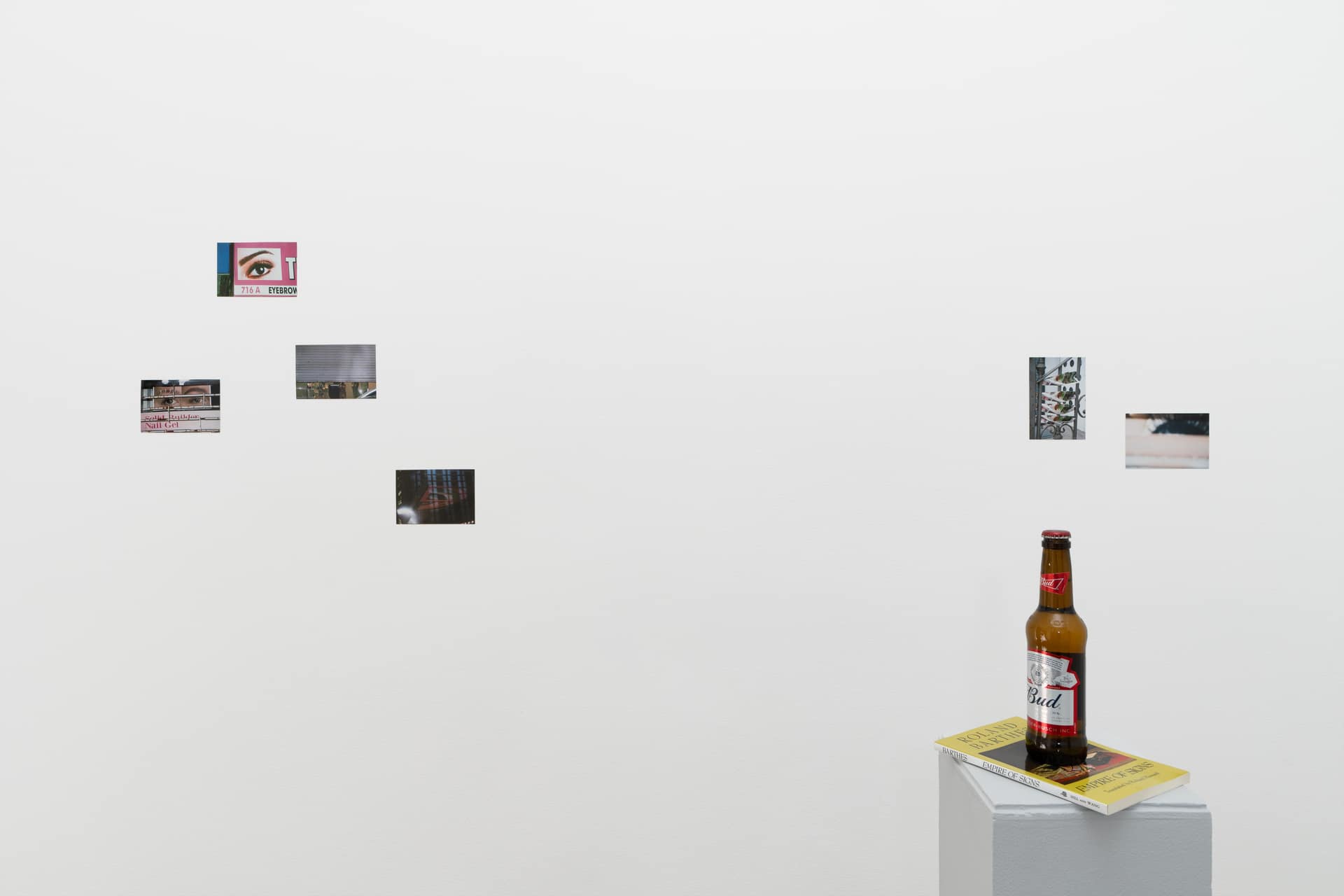
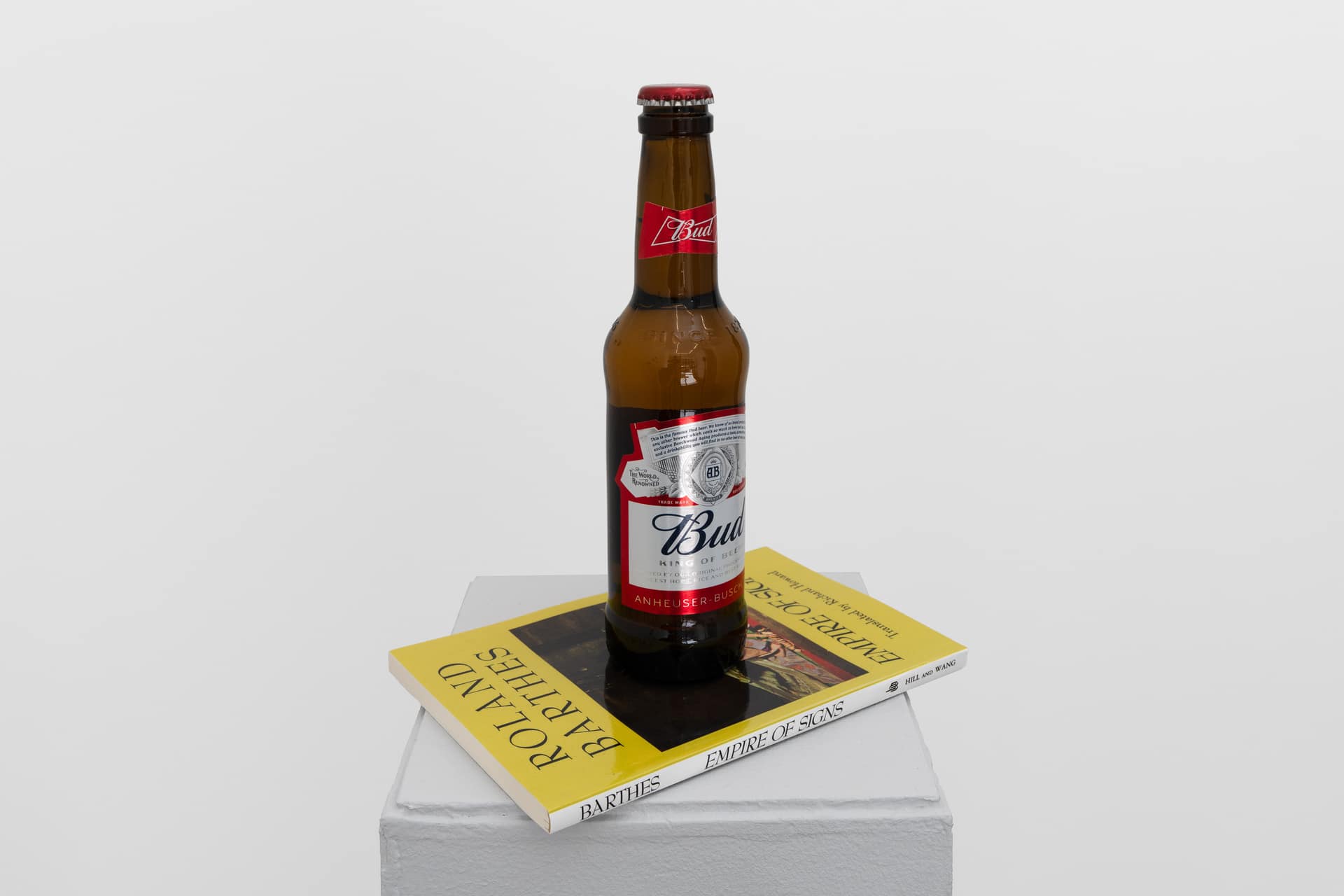
In his short essay on pachinko in Empire of Signs, Roland Barthes describes the parlour not as a space of leisure but of “a deliberate, absorbing labor; never an idle or casual or playful attitude.” Players stand in rows, each sealed in their own loop, feeding metal balls into machines with an abrupt, uninterrupted gesture. Everything is decided in a single movement. What Barthes calls a “nutritive circuit”: money converted into balls, balls into flow, flow into modest, absurd rewards – a candy bar, an orange, a pack of cigarettes. The point is not what is won but that the circulation continues. Pachinko, in this reading, is less a game than a model – for how capital moves, how attention is held, how desire is kept in place by the system that produces it.¹
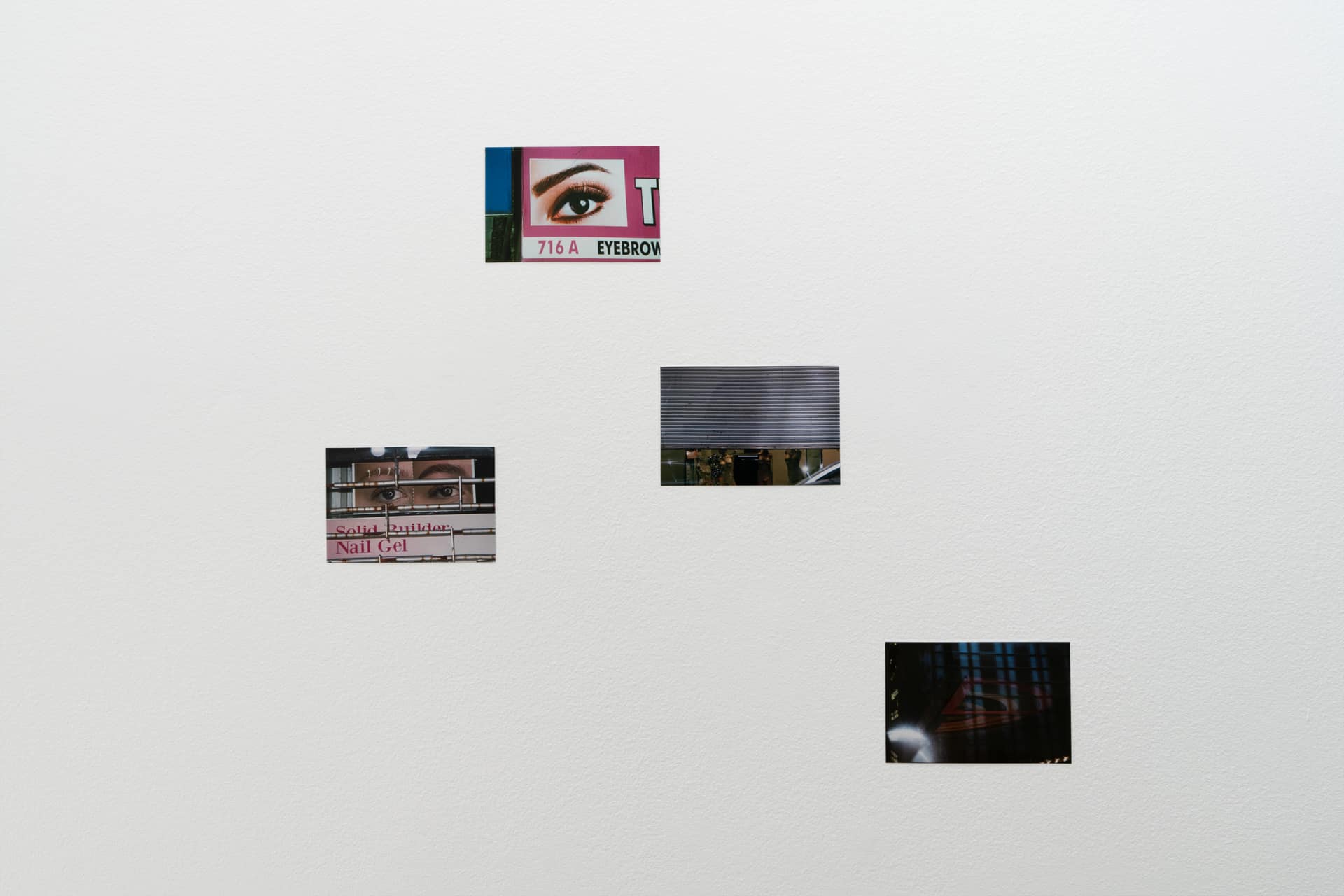
Short Circuit takes this logic as its starting point. A short circuit occurs when excessive current bypasses its intended path, when the system overloads on its own energy. The exhibition is structured accordingly: the exhibition space is designed as a closed circuit, a pinball architecture through which the viewer moves without exit, entering the circuit.
¹ Roland Barthes, Empire of Signs, trans. Richard Howard (New York: Hill and Wang, 1982), 27–29.
The exhibition is curated by Abirami Logendran in collaboration with Pachinko Mimosa Echard (b. 1986, Alès, France) lives and works in Paris. Her work spans sculpture, installation, and video, combining organic and synthetic materials. Winner of the 2022 Marcel Duchamp Prize.
Lina Viste Grønli (b. 1976, Bergen, Norway) lives and works in the United States. Her sculpture and writing engage with language, semiotics, and popular culture.
Judith Hopf (b. 1969, Karlsruhe, Germany) lives and works in Berlin. Her sculptures, videos, and performances use humour and everyday materials to address technology, labour, and social dynamics.
Ann Cathrin November Høibo (b. 1979, Kristiansand, Norway) lives and works in Kristiansand. She works primarily with handwoven textiles.
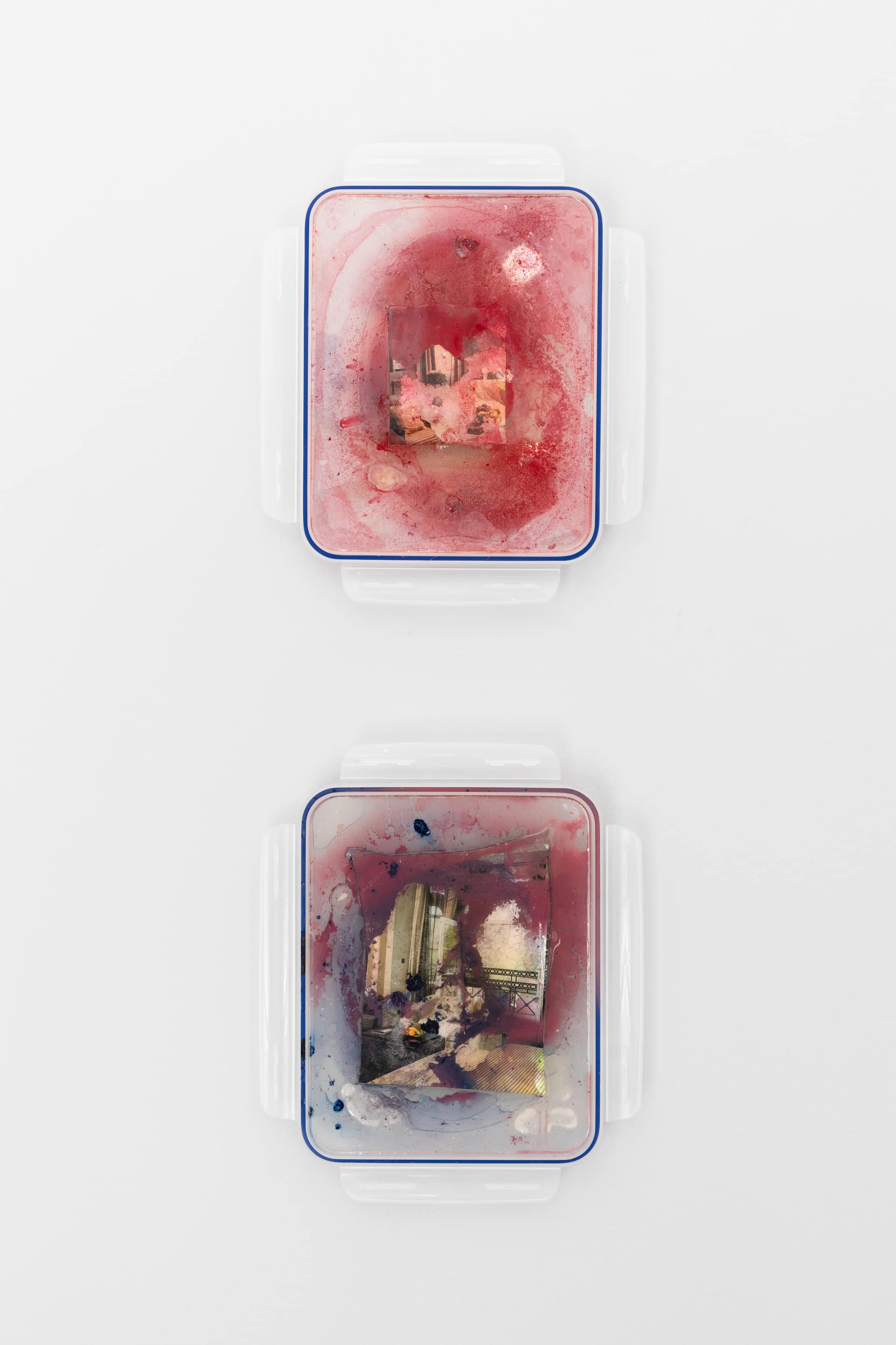
Henrik Olai Kaarstein (b. 1989, Oslo, Norway) lives and works in Brussels and Oslo. His practice involves the manipulation of textiles, paper, and found materials through chemical and physical processes.
Albert Mertz (1920–1990, Copenhagen, Denmark) was a Danish artist, filmmaker and critic. He worked with painting, film, collage and objects, often through his signature “red+blue proposition”.
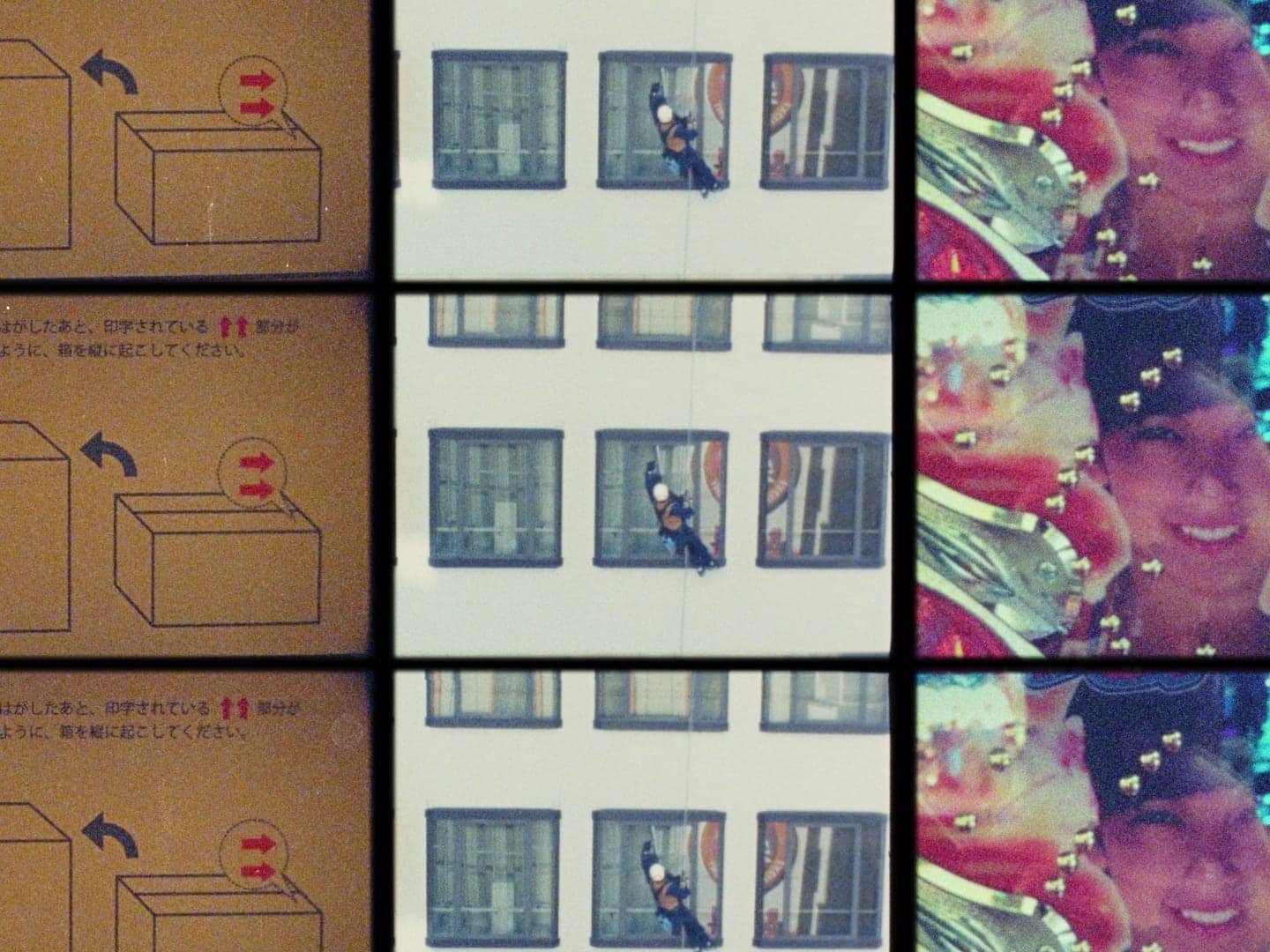
Chiemi Shimada (b. 1991, Chiba, Japan) is an artist and filmmaker based in London. Working with analogue and digital film, her work explores memory, intimacy, and late-stage capitalism through moving image and installation.
Abirami Logendran (b. 1992, Oslo, Norway) is an artist, curator and writer. Her work fixes a wide lense on visual culture and looks at how media technologies and their modes of circulation shape our collective experience.
|
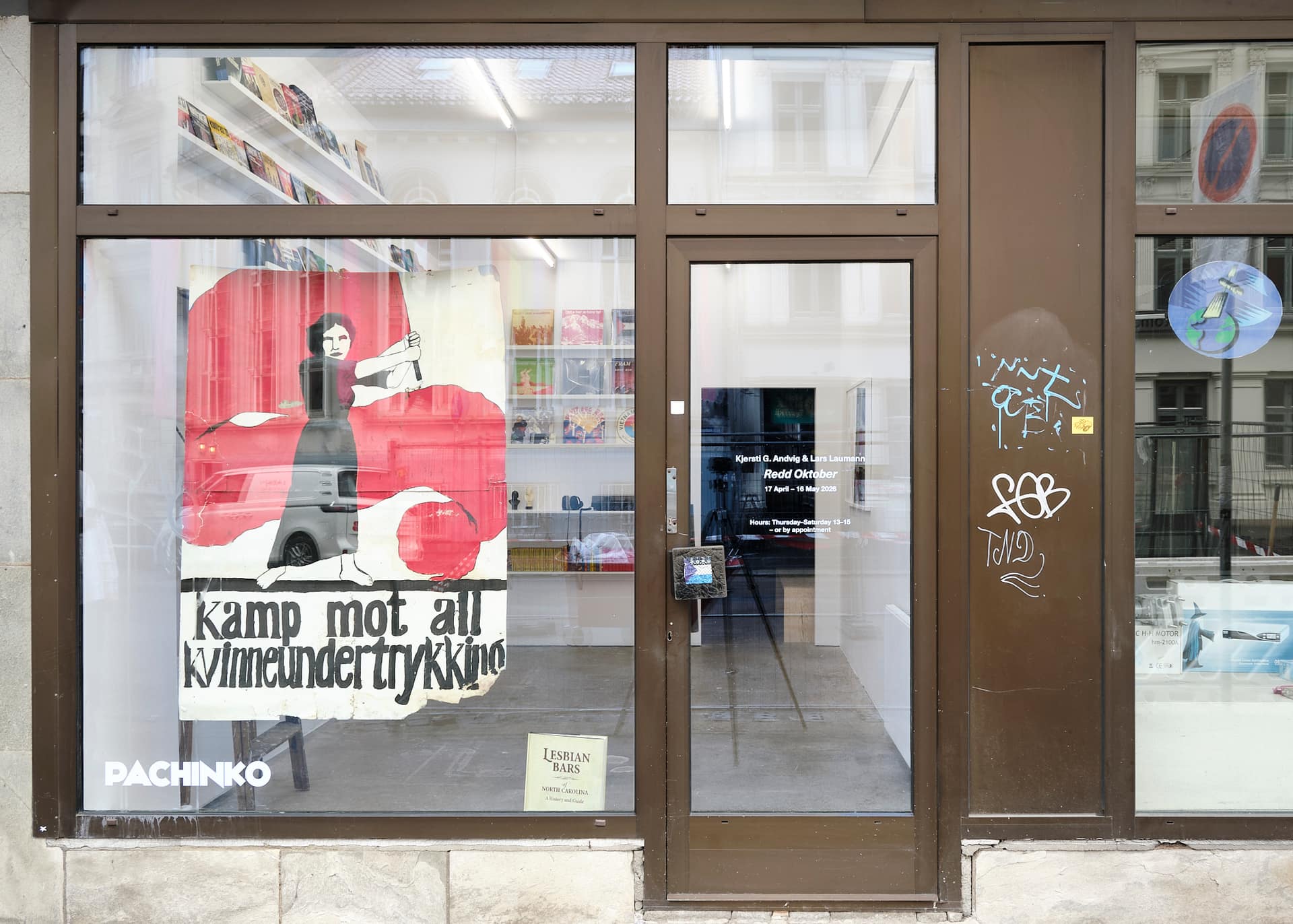
| 2026 | 18 April – 16 May | Exhibition | Kjersti G. Andvig & Lars Laumann | Redd Oktober | Handout↗︎ |
Lars Laumann and Kjersti G. Andvig have known each other for more than 30 years. Over that time, their friendship has moved through several versions of Norway and several versions of themselves, including periods where class was addressed directly, and others where it was easier to treat it as either a private matter or an outdated concept. Something you might mention in passing, before shifting to other terms such as background, geography or taste. At the same time, it has remained present in more indirect ways, as a condition that shapes how situations are read and responded to, and how certain decisions come to seem available or not.
As such, Redd Oktober builds on a long-standing, personal exchange, and can be difficult to pin down. At its centre is a new film, developed through an ongoing dialogue between the artists and marked by a sustained (mostly friendly) disagreement about what their own class histories “count” as, and what kind of authority they can claim when speaking about class at all. Both have moved, both have made use of the possibilities available to them, and both have encountered the difficulty that mobility changes how class appears without removing it. It tends to shift into the background, where it becomes harder to point to directly, even as it continues to organise experience.
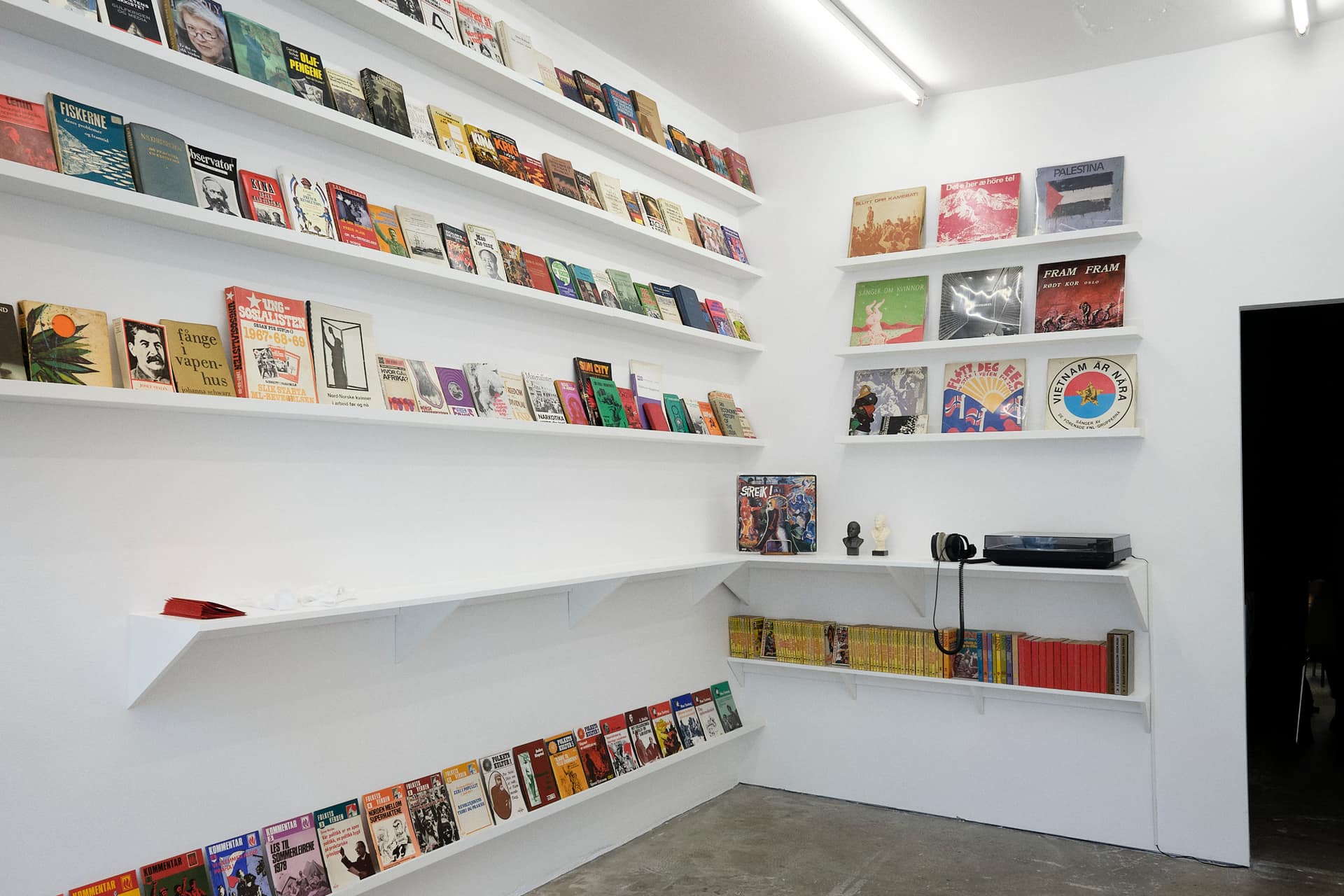
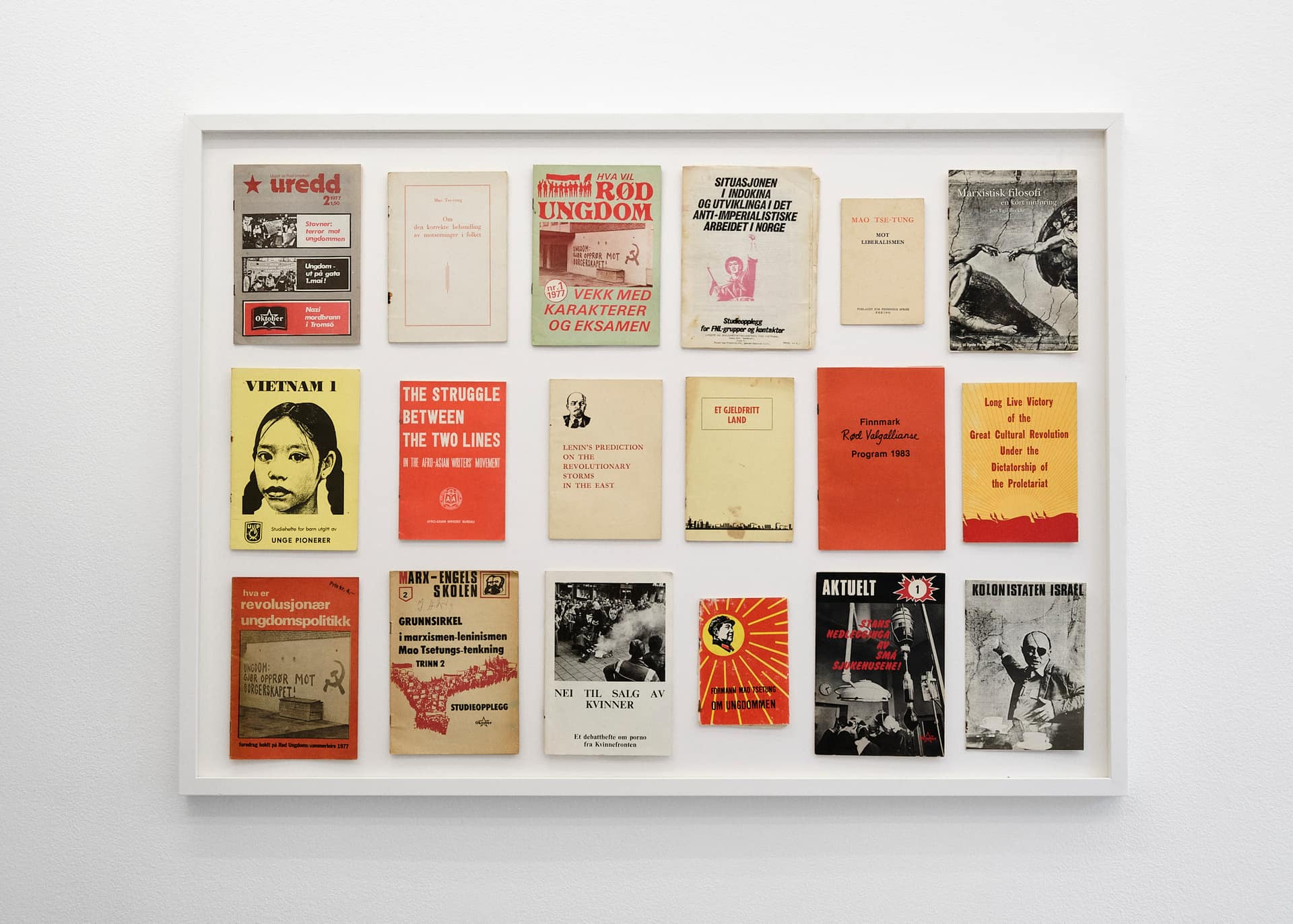
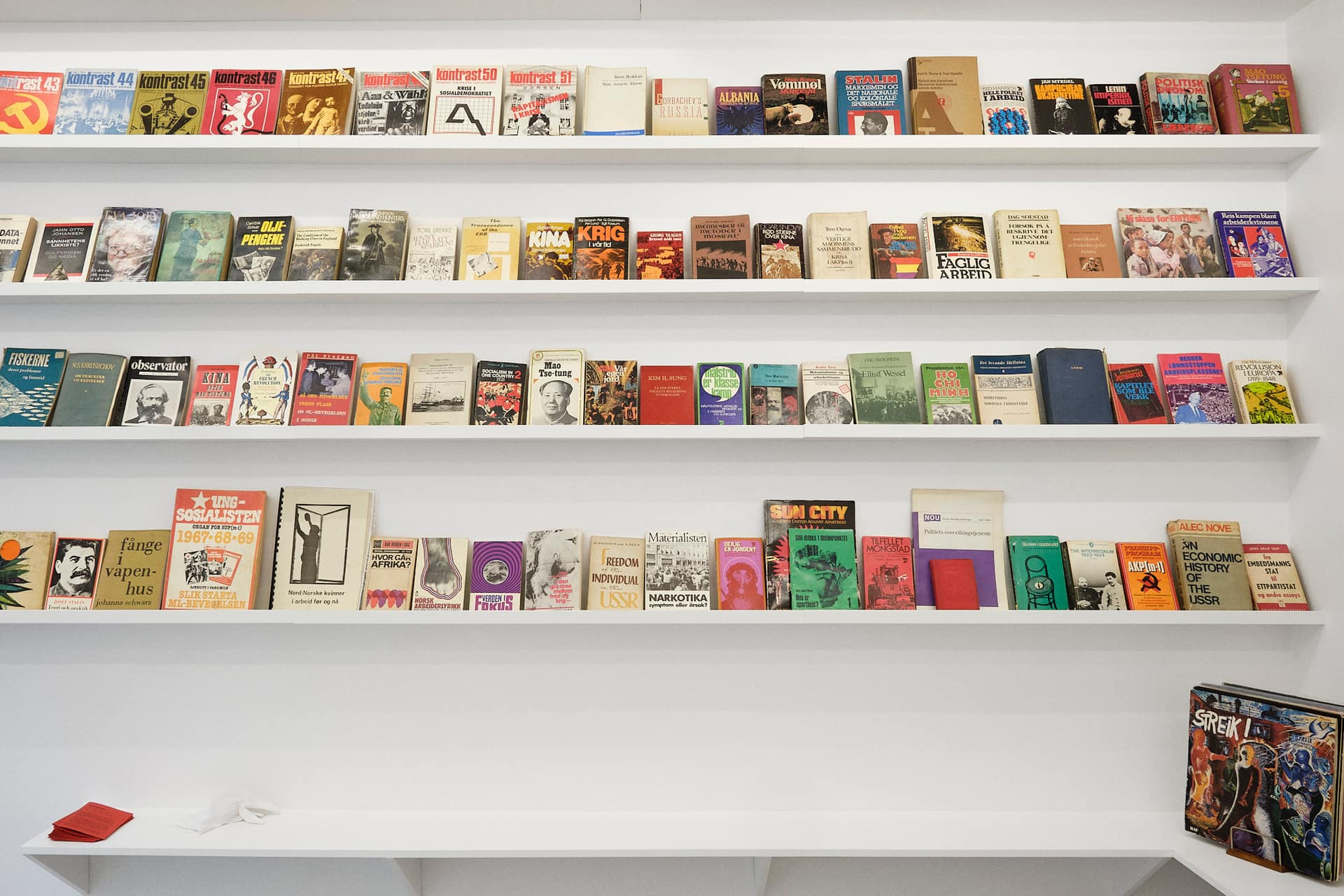
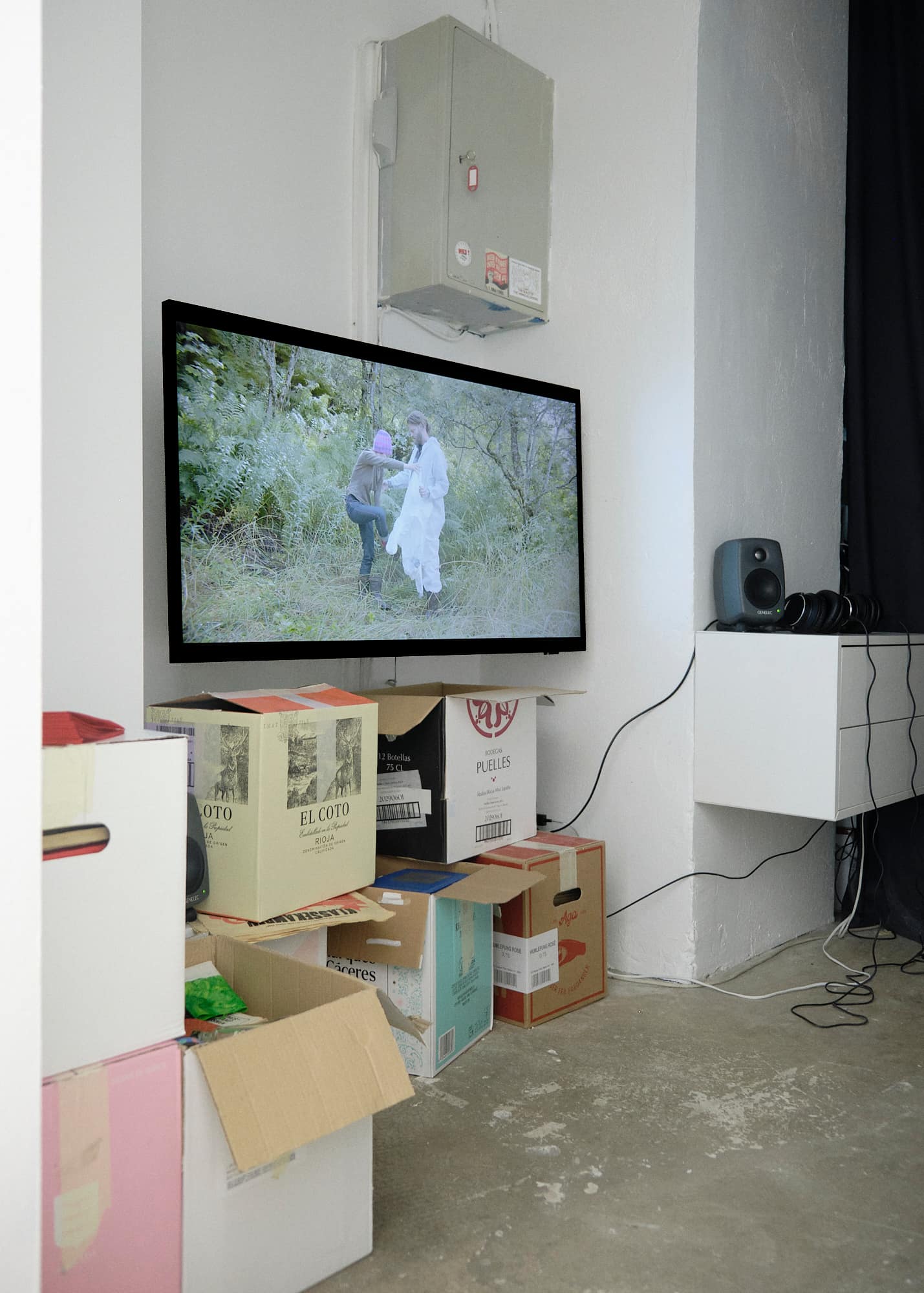
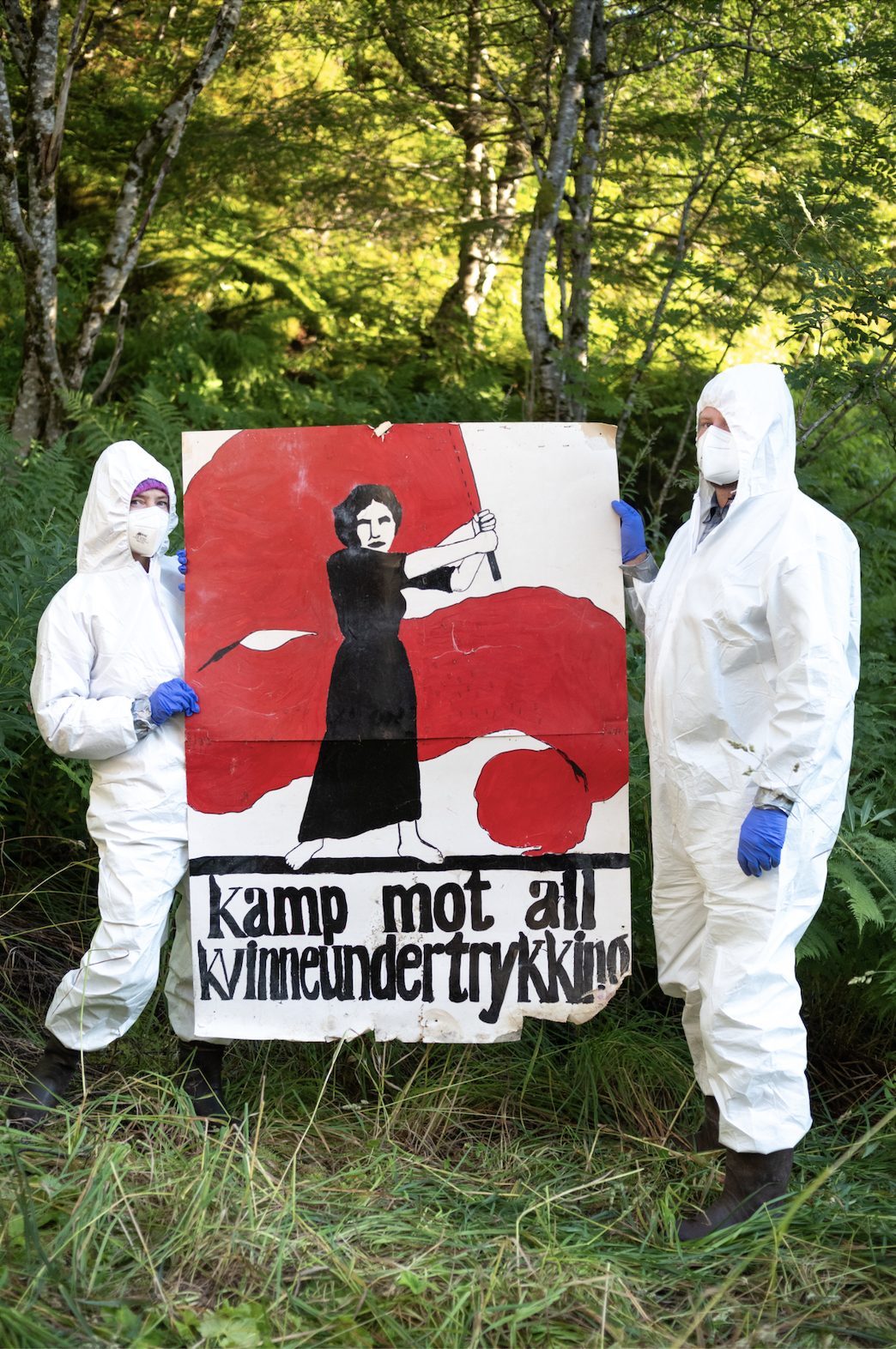
The exhibition, including the film, is based on a former Oktober book outlet found in Andvig’s family basement in Northern Norway, part of a network of underground, politically affiliated bookshops active in the 1970s and 80s. Books are still there in varying condition. Some are no longer readable; others can be handled and brought back into circulation. In the film, presented in six chapters, the artists return to the basement to recover what they can. Books, pamphlets and other materials are sorted and handled, sorted first objectively by degree of mold and disintegration, next by their contents, and the artists’ subjective valuation of them. While some are set aside, and most are taken out, the process continues alongside a conversation that moves between family histories, work, geography and memory, with occasional digressions and shared anecdotes.
The artists come from what might be called “book families”. In Andvig’s case, books were part of a political infrastructure, tied to organised distribution and collective discussion. In Laumann’s, they were part of a local economy, connected to retail, ownership and a small-town context (the Laumann bookshop was later sold to Norli). These differences carry through into how class is understood and how it can be spoken about, and shape the terms of the conversation that unfolds in the film.
Alongside the film, a wide selection of the books, posters and LPs from the disused Oktober book store in Svolvær has been brought to Oslo. The material spans subjects such as child rearing, education, geopolitics, women’s rights, fishing, consumption, psychology and nature – most but not all of these from a revolutionary perspective. Regardless of their orientation, class runs through them as a way of framing questions and organising knowledge. Read together, they point to a moment when class could serve as a more stable reference point across different areas of life, while clearly structuring a past, present and future.
Without stating it directly, the exhibition circles a question of class consciousness and its relative disappearance in the present. Class no longer present itself as a shared framework in the same way. It mostly appears through other forms of description, and is often difficult to isolate as a category on its own. The material in the exhibition suggests a different situation, where class could be used more directly as a way of making sense of social relations. The conversation between the artists takes place at a distance from that situation, moving through hesitation as much as assertion, and often returns to the question of how to speak about class without settling into a fixed position or a set of ready-made terms. Lars Laumann lives and works in Brønnøysund, Norway. He studied at the Norwegian State Academy in Oslo and the North Norwegian Art and Film School in Kabelvåg. His work is held in collections including Tate Modern, London; the National Museum, Oslo; KORO – Public Art Norway; and MOCAK, Kraków. He has presented solo exhibitions at institutions such as Kunsthalle Winterthur, Maureen Paley (London), Foxy Production (New York), Bunkier Sztuki (Kraków) and Kunsthall Oslo, and has participated in major group exhibitions including the 5th Berlin Biennial and the Liverpool Biennial.
Kjersti G. Andvig studied at the National Academy of Fine Art in Oslo, Northbrook College in Worthing, and the North Norwegian Art and Film School in Kabelvåg. Her work has been shown in solo and duo exhibitions at venues including Cabaret Voltaire (Zurich), Rogaland Kunstsenter (Stavanger), Grand Union (Birmingham) and Etablissement d’en face (Brussels). She has participated in group exhibitions such as Lofoten International Art Festival (LIAF), EVA International, Carnegie Art Award exhibitions, and shows at institutions including Astrup Fearnley Museet and the National Museum, Oslo.
|
| 2026 | 6 March – 4 April | Exhibition | Theodor Nymark | Diversione | Text by Nikolaj Schultz↗︎Text by Matteo Giovanelli↗︎Website↗︎ |
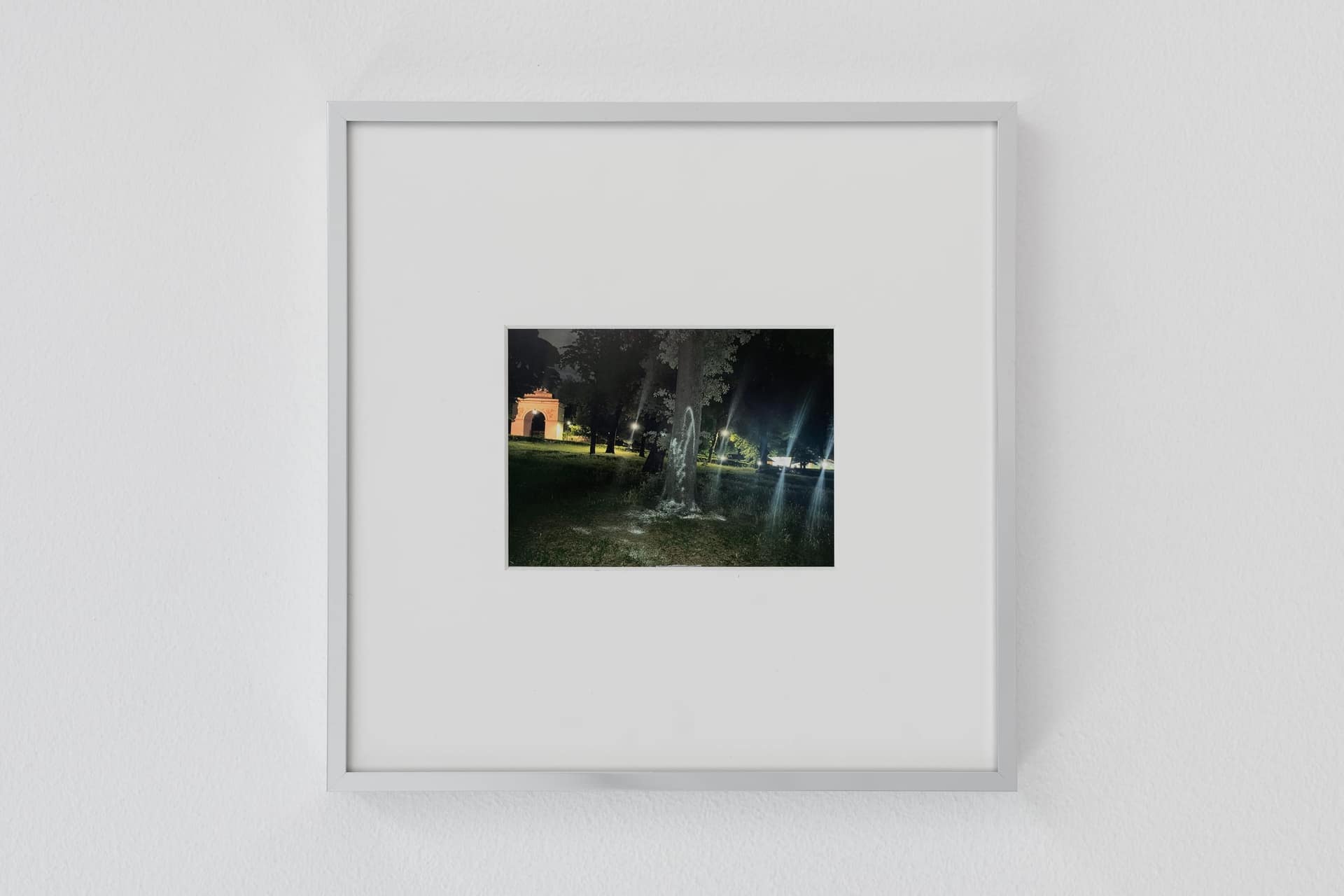
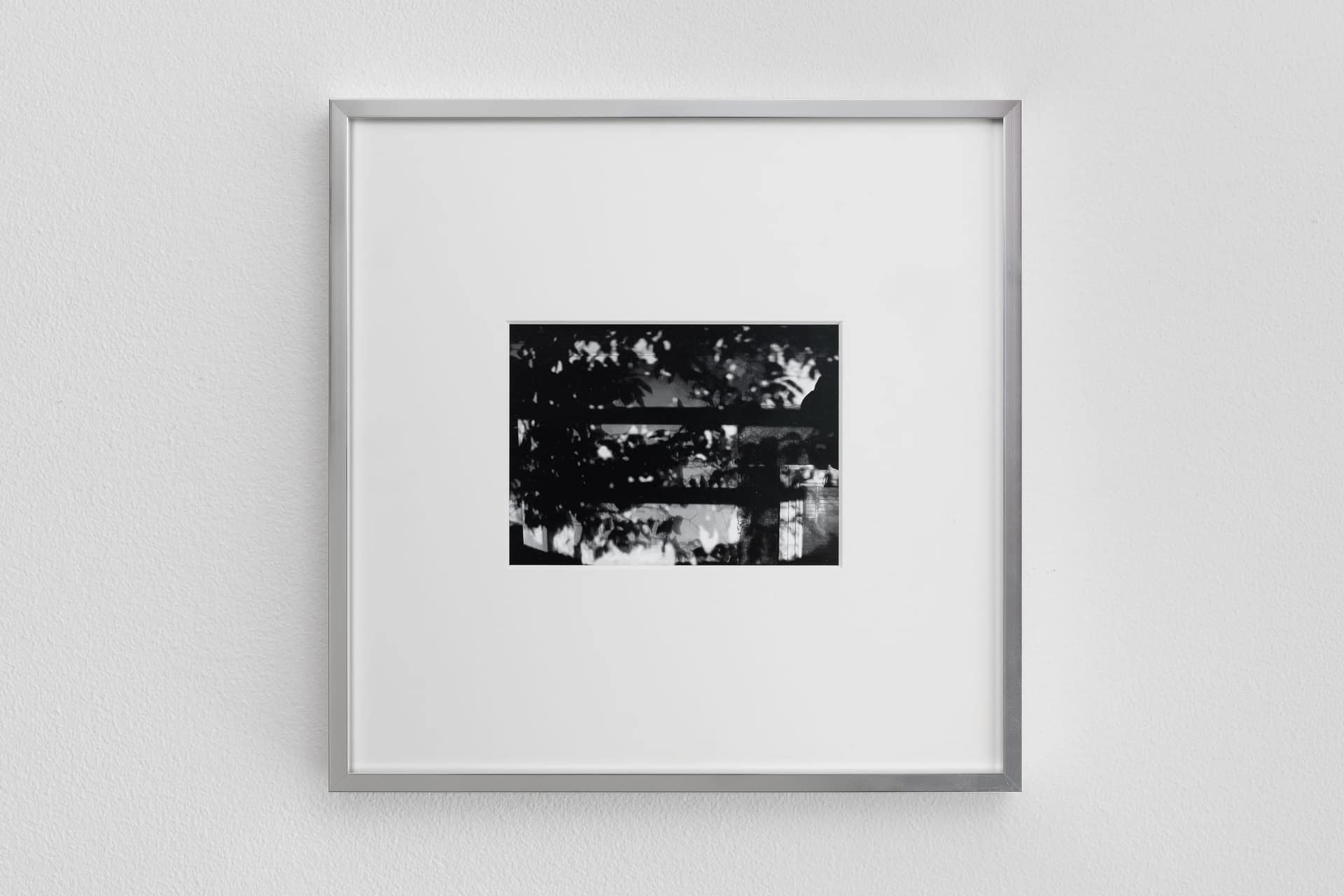
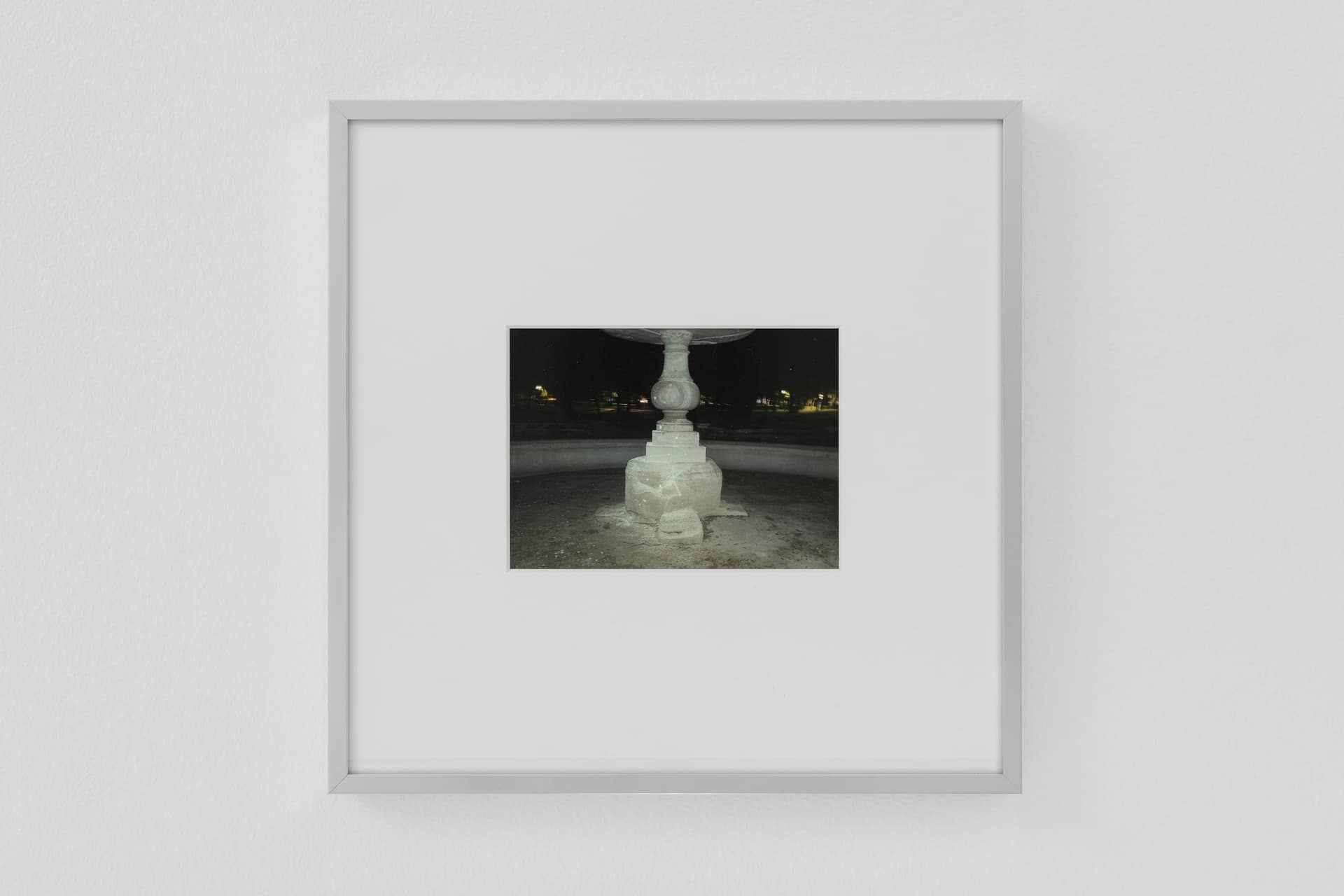
Theodor Nymark 6 March – 4 April 2026 “Of the vivid natural environment, today only a distant, fleeting memory remains — a melancholic semblance glimpsed within symbolic frames, like paintings or phone screens, or in physical ones, strolling through the domesticated nature of elegant city gardens, private or aristocratic.”¹
Diversione begun at a residency at the Danish Institute in Rome. Emerging from research into landscape painting, urban theory and the historical layering of cultivated space, the exhibition is about diversion as detour and displacement, somewhere between image and site, memory and intervention.
The exhibition is accompanied by texts by Nikolaj Schultz, Assistant Professor of Social Theory and Ecological Thought at Aarhus School of Architecture, and writer Matteo Giovanelli.
¹ Excerpt from Matteo Giovanelli’s text for the exhibition. Theodor Nymark is an artist and curator. In his practice, he systematically examines the metaphorical and physical conceptions of the environment, engaging with it by exploring the role of spirituality in a post-industrial world. Through a narrative and research-based approach, Nymark addresses the landscape by investigating themes such as art history, national identity, land politics, collective memory, and local architecture, while exploring their interconnections and impact on ecological thinking and governance.
|
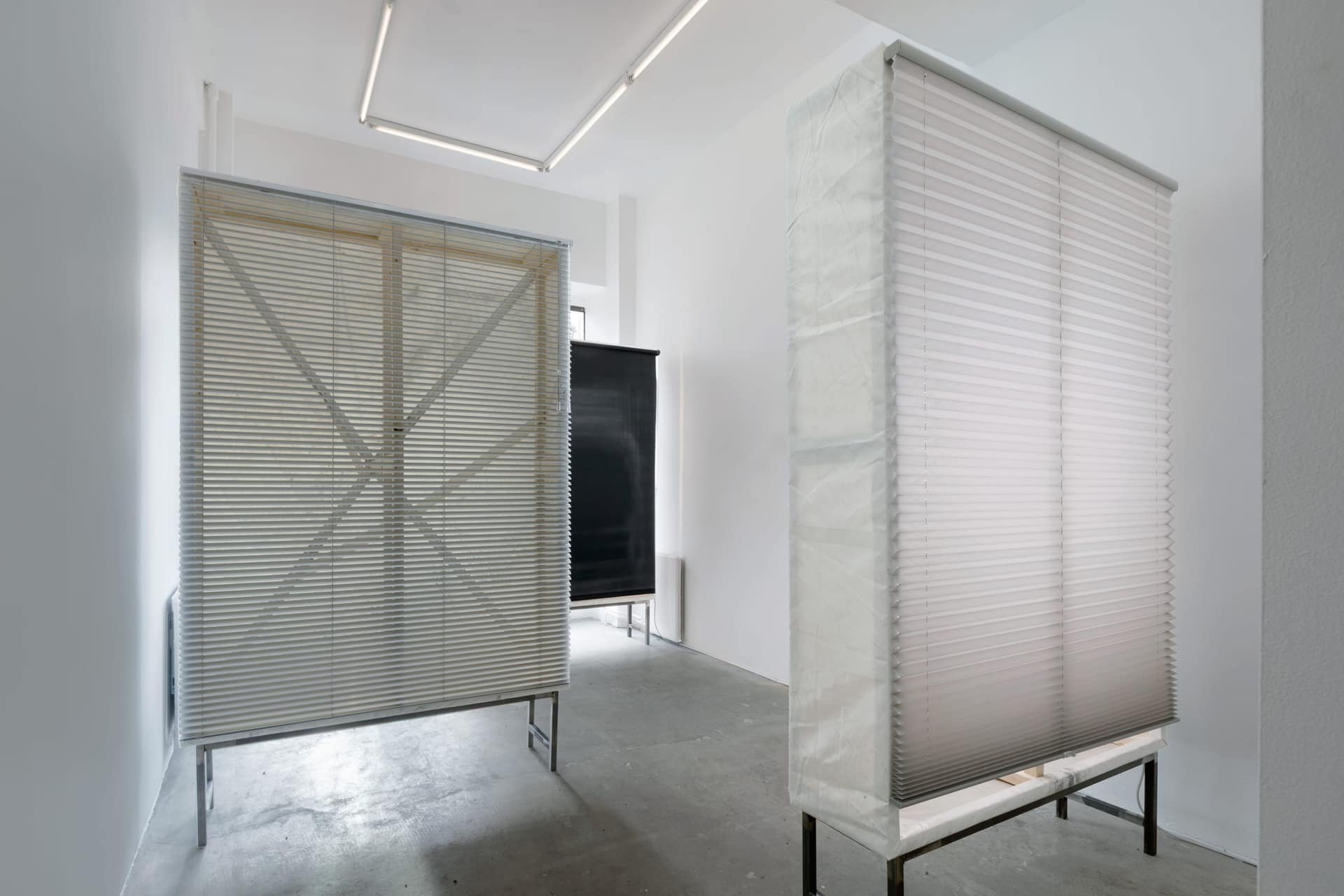
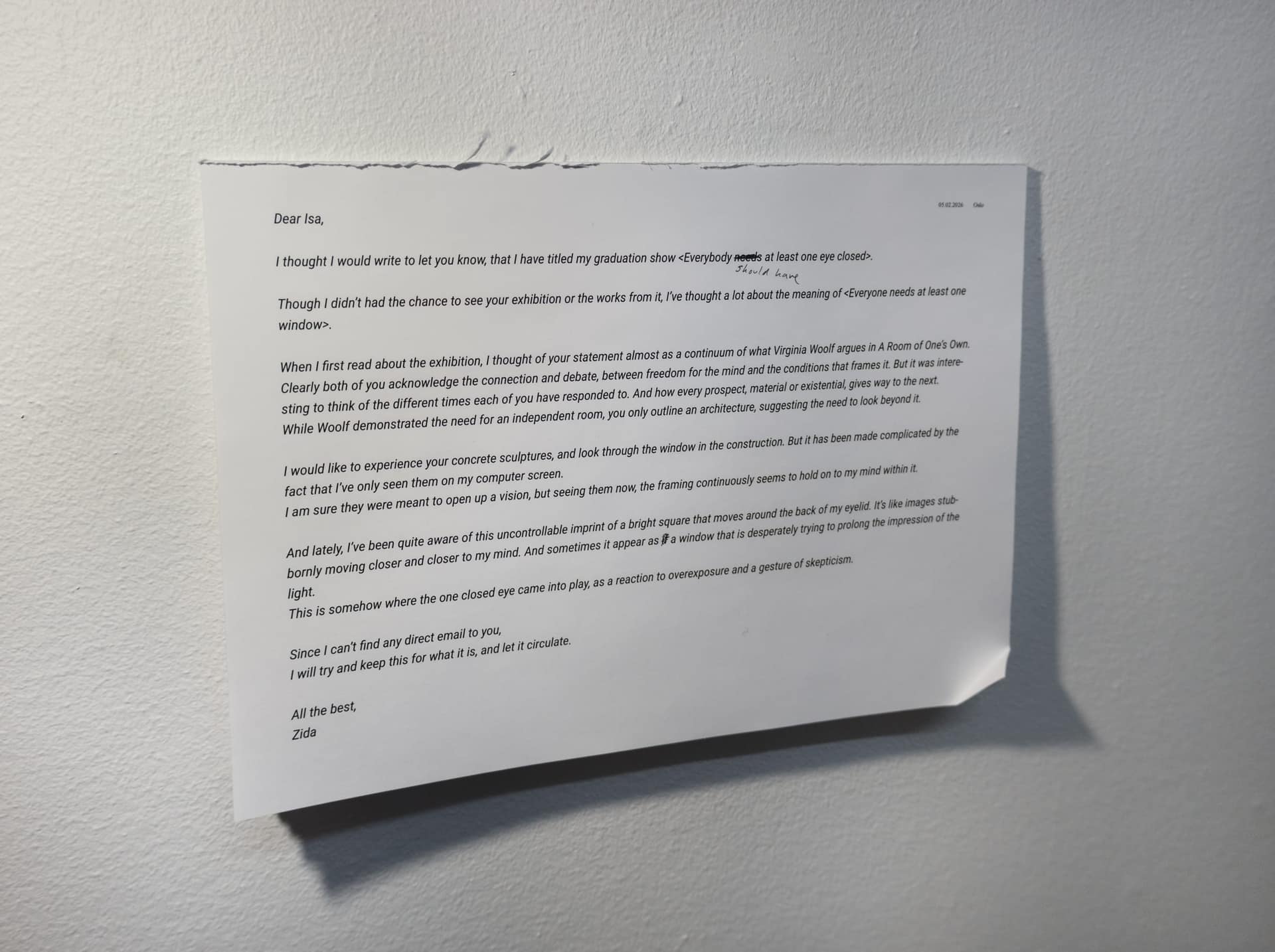
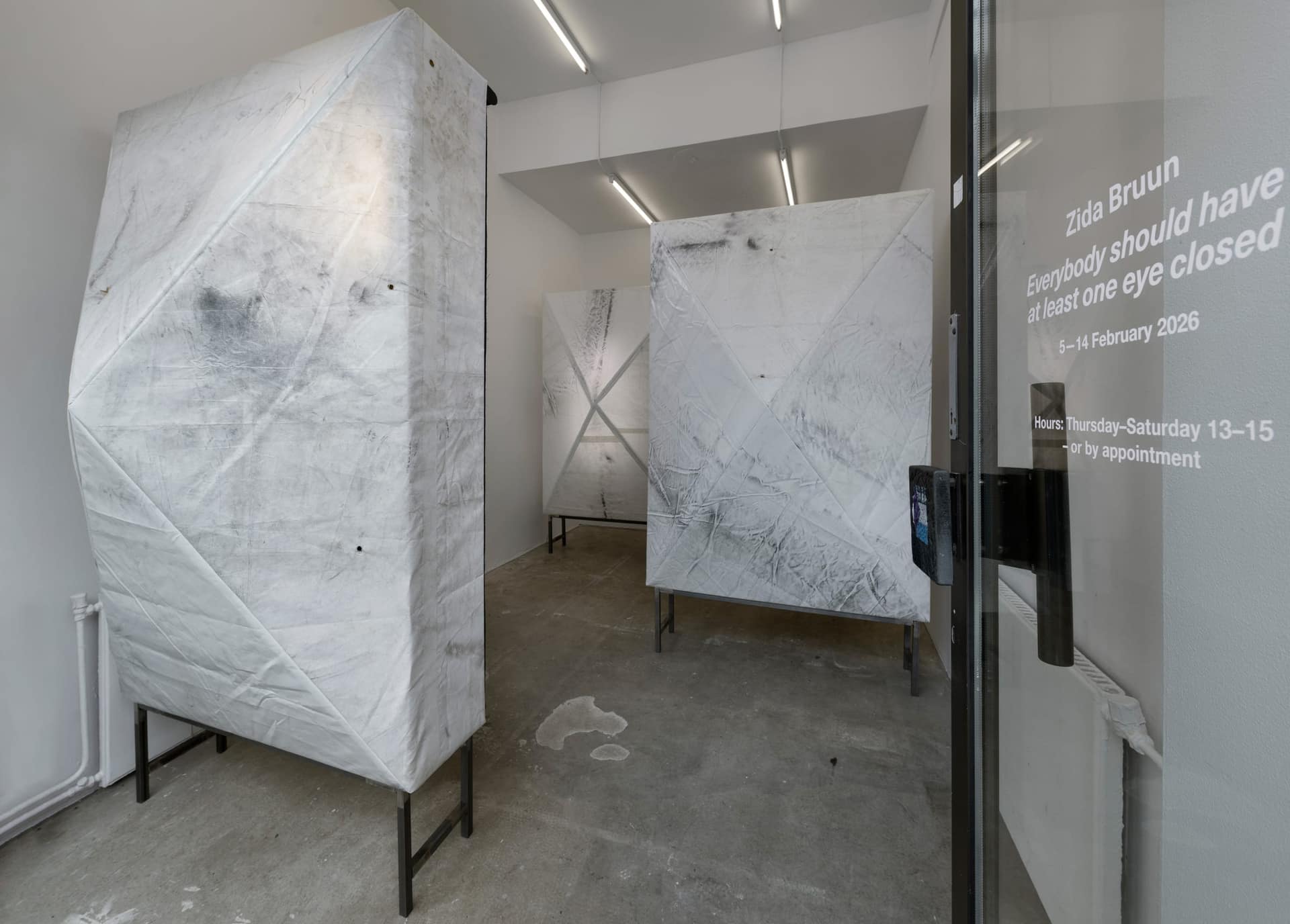
| 2026 | 5–14 February | Exhibition | Zida Bruun | Everybody should have at least one eye closed | |
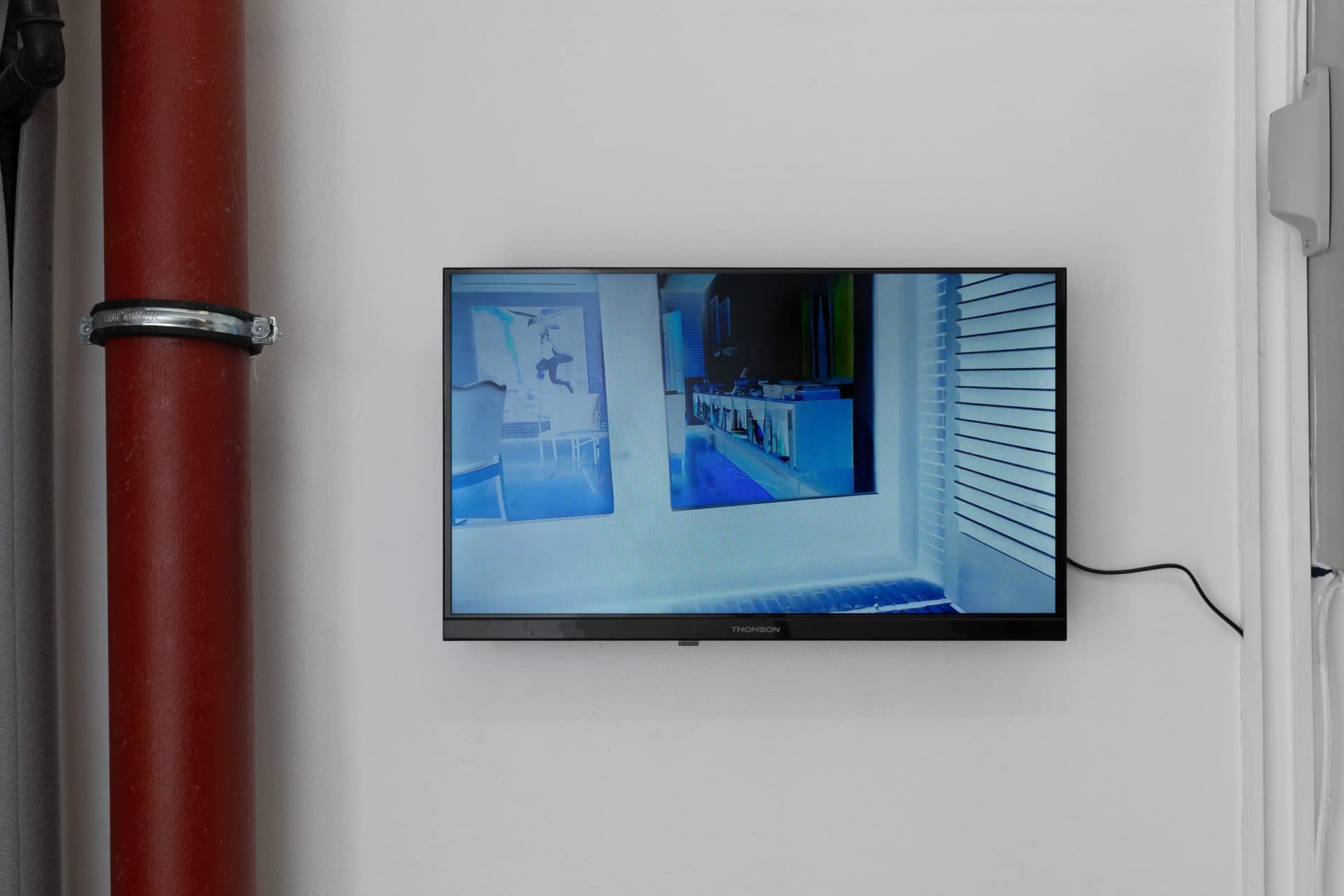
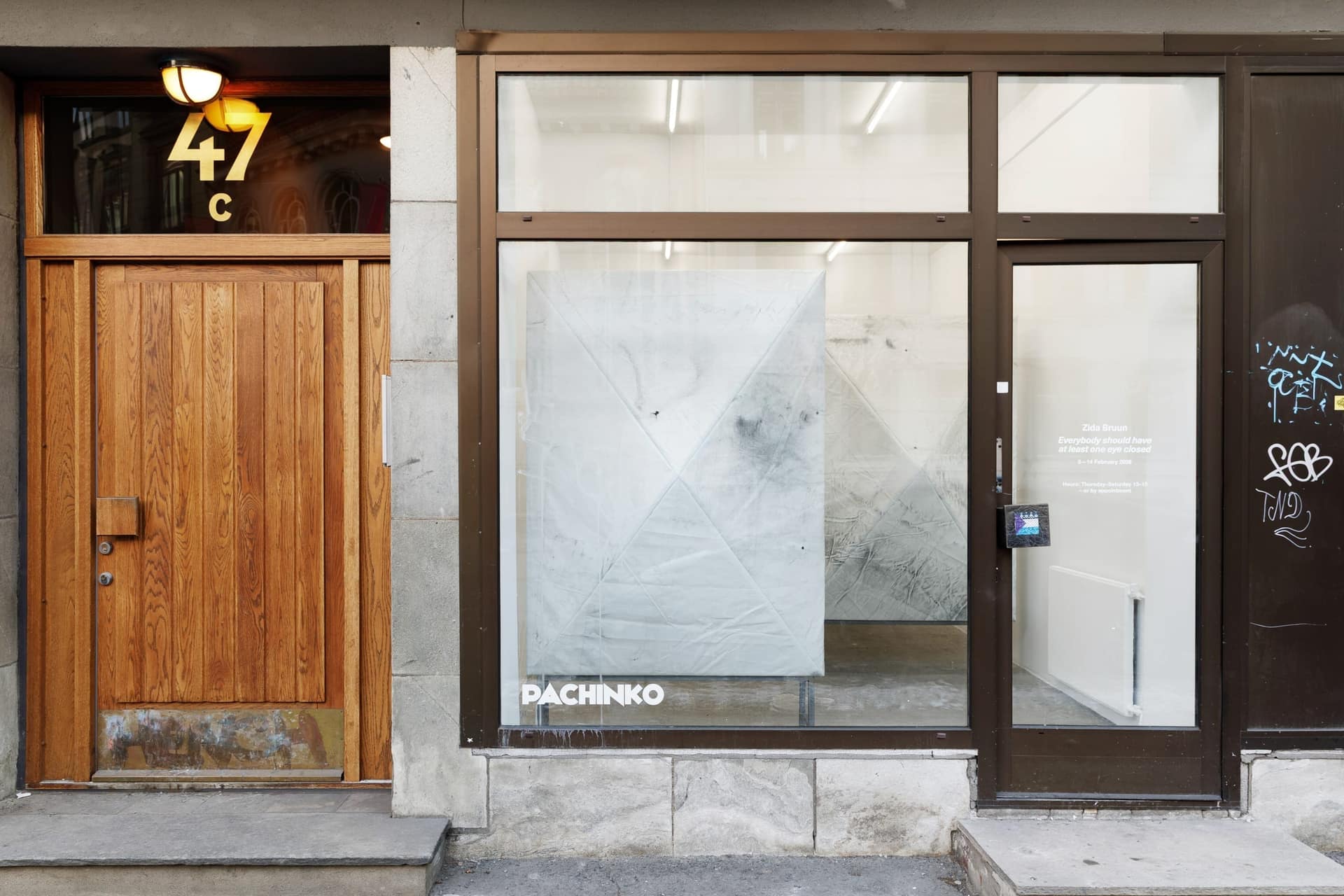
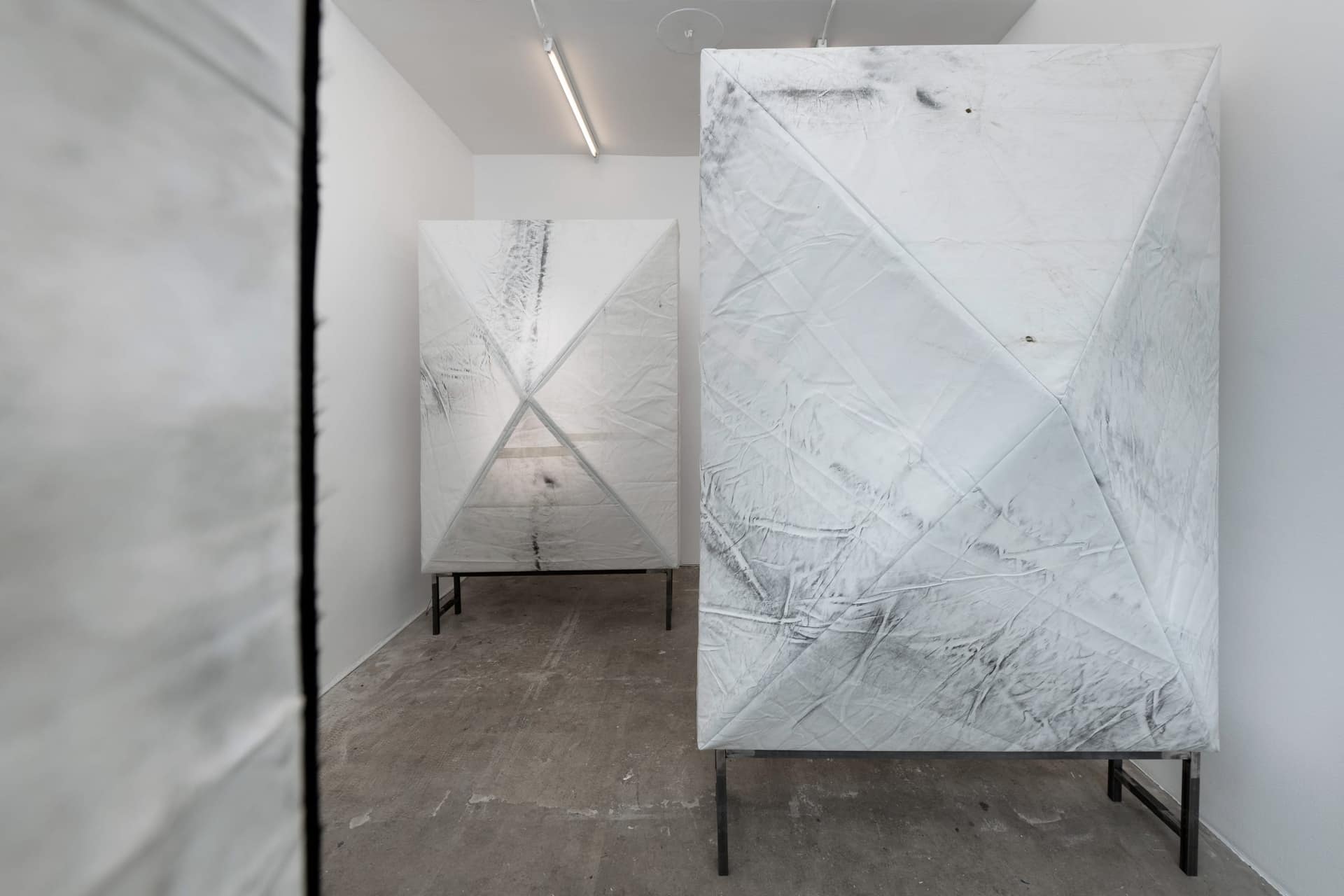
Zida Bruun 5–14 February 2026 Most blinds can be customized to suit most homes and window types. They take up very little space and can be operated in multiple ways, making them a practical and versatile solution to personalize your needs and visions. By choosing between different types of blinds; a light-filtering model, one with partial view, or the blackout version, you can control both visibility and the amount of light let in. Zida Bruun (b. 1994, DK) works with sculpture and installation, primarily using pre-owned objects and discarded materials to explore how functional value and collective habit intertwine.
|
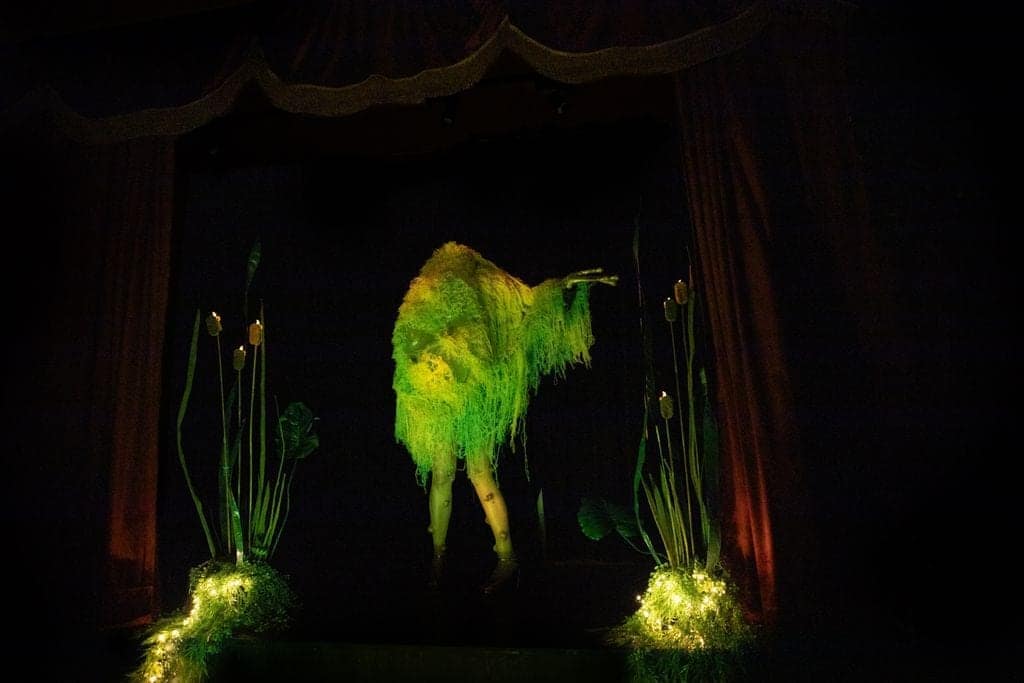
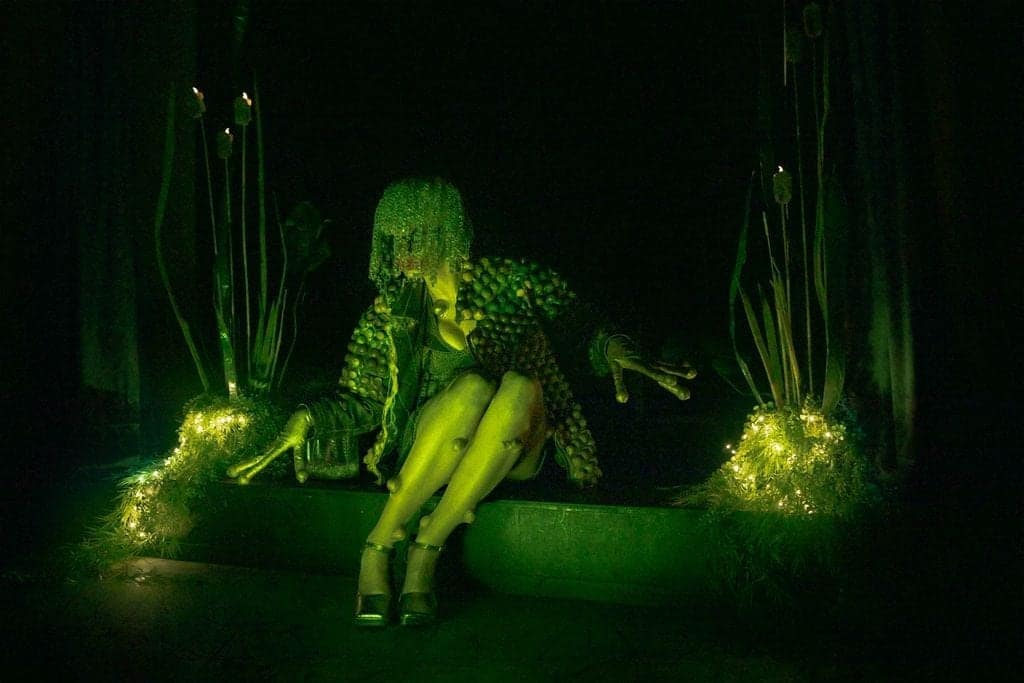
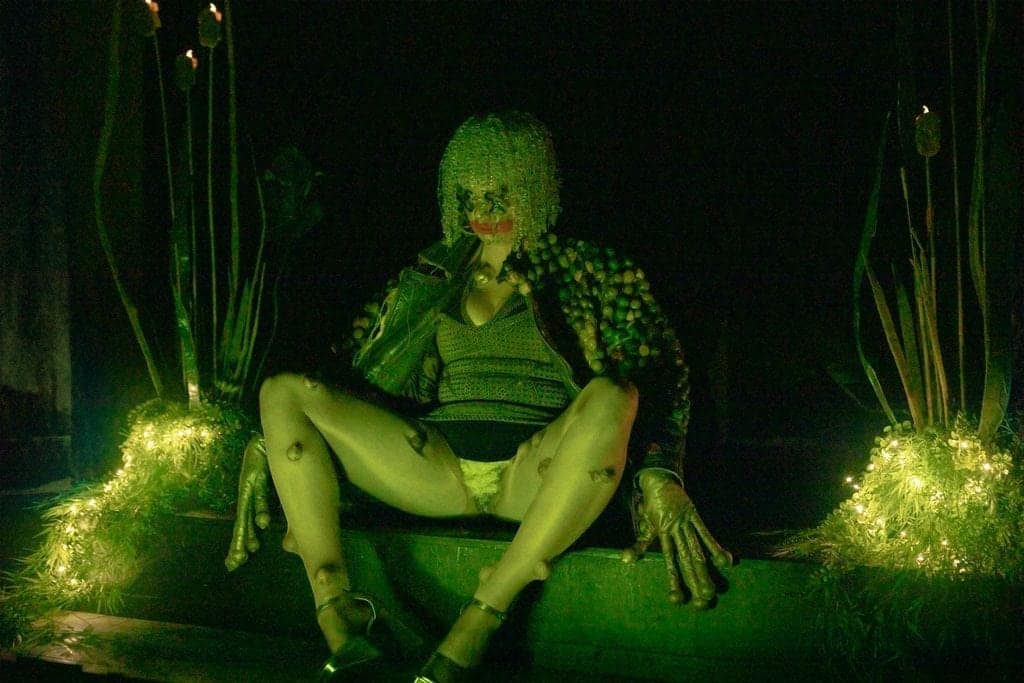
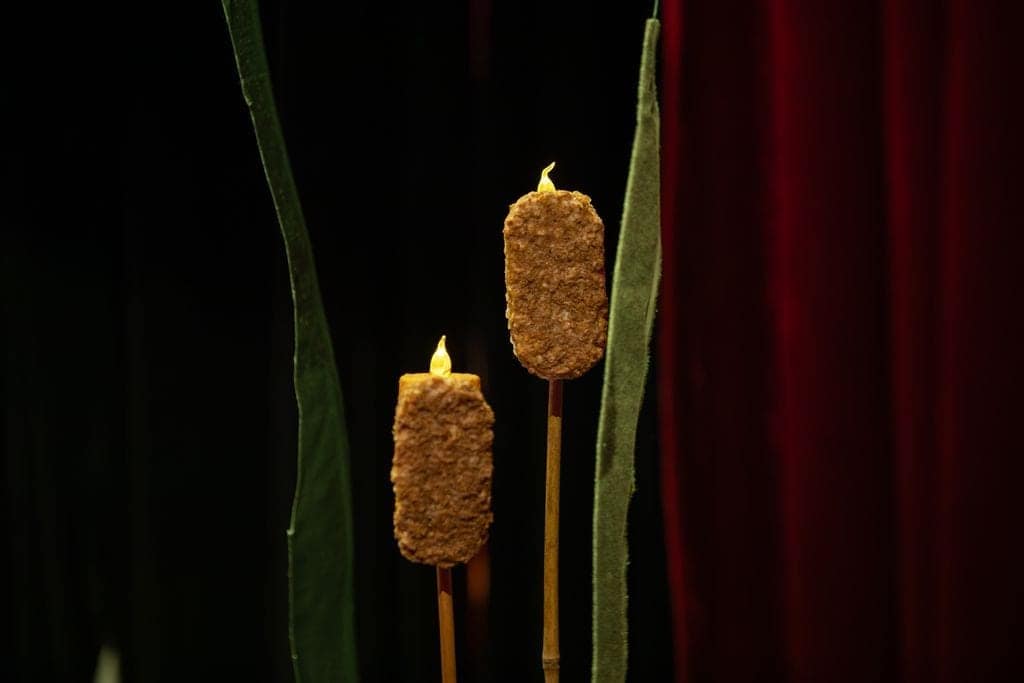
| 2026 | 16 January | Performance | Natalie Price Hafslund | FRED | Website↗︎ |
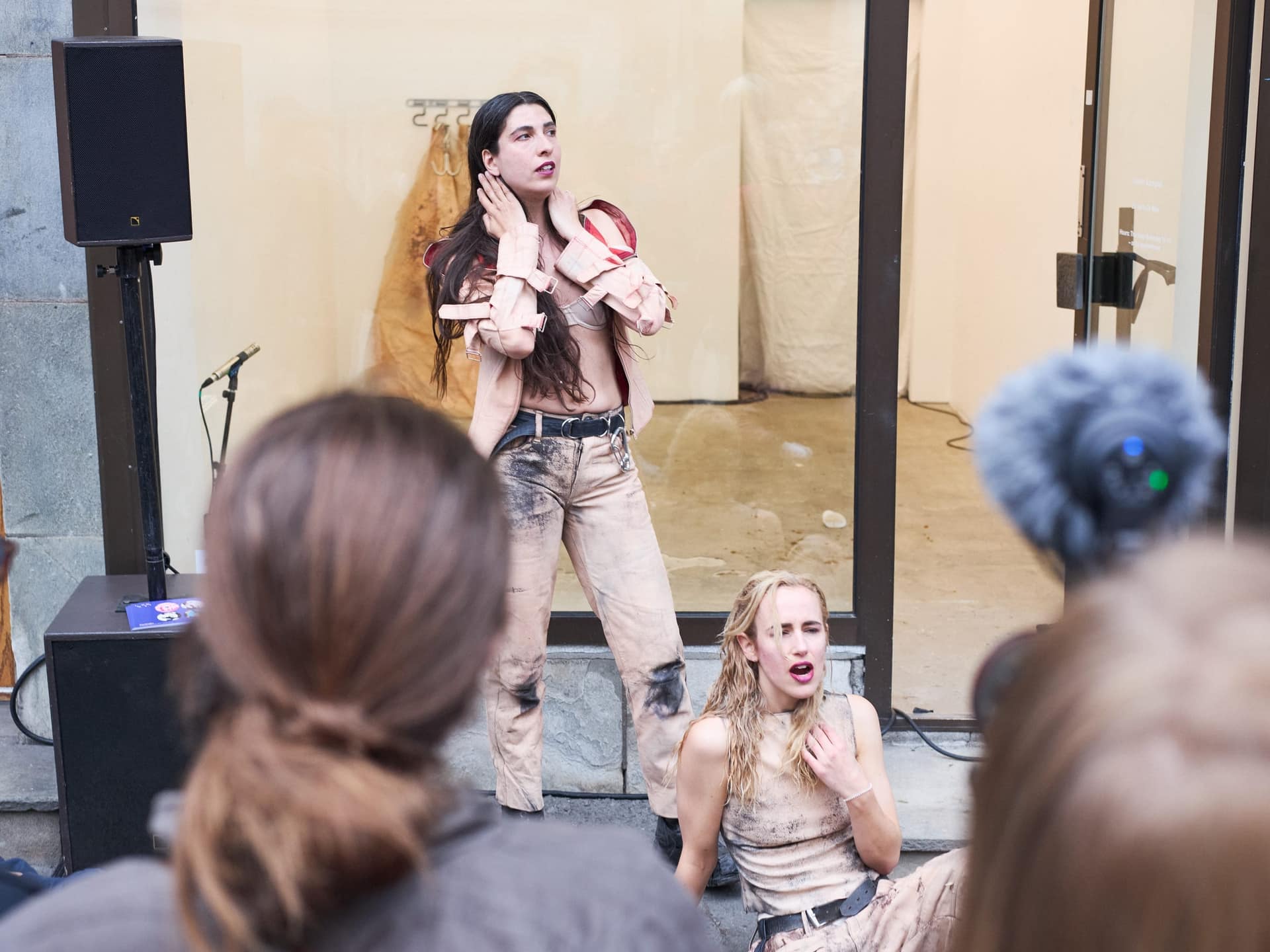
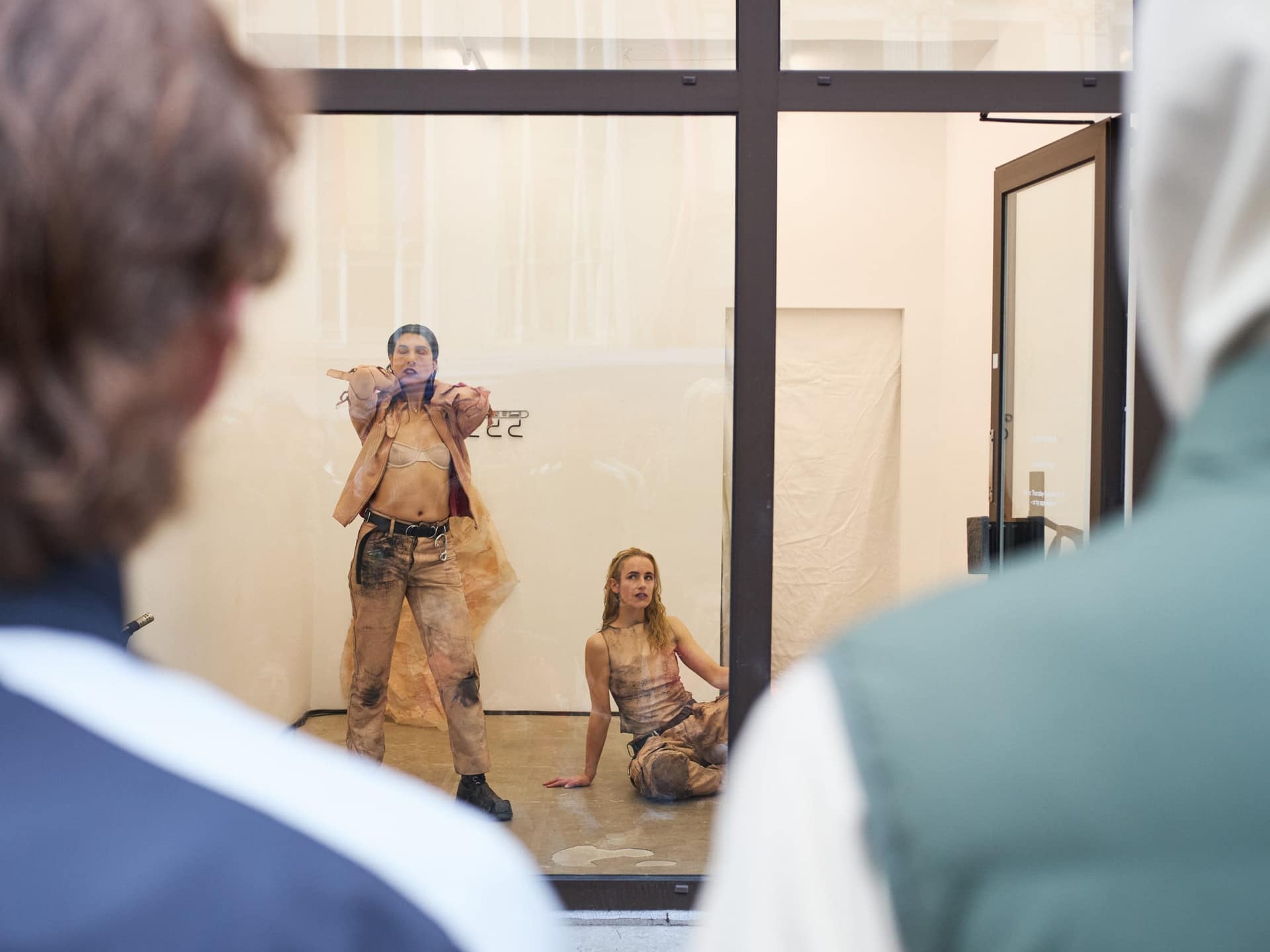
Natalie Price Hafslund 16 January 2026 “Fred is a toad who lived in my garden when I was young, Fred scared the sh*t out of me, he had X’s for eyes. At the time, I imagined (feels like rumour now) that my older brothers had cut them out.
Lone playtime in the garden often ended with being fully submerged in the lukewarm, sludgy shallow pond, like a two legged salamander… one thing would lead to another…
One day, whilst working on cartwheels by the pond, I saw a delicious tennis ball glowing through the algae. Yes!, I thought, I’m going to repeatedly ram that ball so hard against the house. As my hand cupped the glowing mass, I realised it was no Slazenger, it was a swollen, yellow, putrid toad. A michelin inflated neon carcass drifting like a silky damsel in a high end pop video.
Coincidences and evil brothers
A few days after, as I left my bedroom, there was Fred. Fred had no eyes but had made it into the house, up the stairs to near my bedroom. It was here my relationship to toads took a turn for the worse, though I remained slightly enthralled. In the years after these events I began pickling my brain with blue drinks, so who knows if there were any toads at all.
I’ve won two prizes in my life that I can remember, the first was for hula hooping - which took me as a total surprise as I stared unbelievably at my mid-section going for gold for an unnatural amount of time. The second was at an Easter fair for eating the most Jacob’s Cream Crackers in under a minute, my mother evil eyeing me from the sidelines, hoping this wasn’t my destiny. I won because I had worked out how to move the crackers around my mouth at the same rate as eating them, like a sexy cement mixer.
Anyway, let’s see what I can do this time!”
—
Music by William Doyle
Algae costume by Charlotte Ledger
Light design by Benjamin Fjellman
Sound engineering by Atilio Baez Natalie Price Hafslund (b. 1987 Devon UK) is a British-Norwegian visual artist working with text, sculpture and performance. She studied sculpture at the Royal College of Art, London and Hypnosis at the UK college of Hypnosis and Hypnotherapy. Price Hafslund often works with found objects: material, emotional and social which she reconfigures, interested in the threshold between our inside and outside worlds and that in which we might share with each other.
|
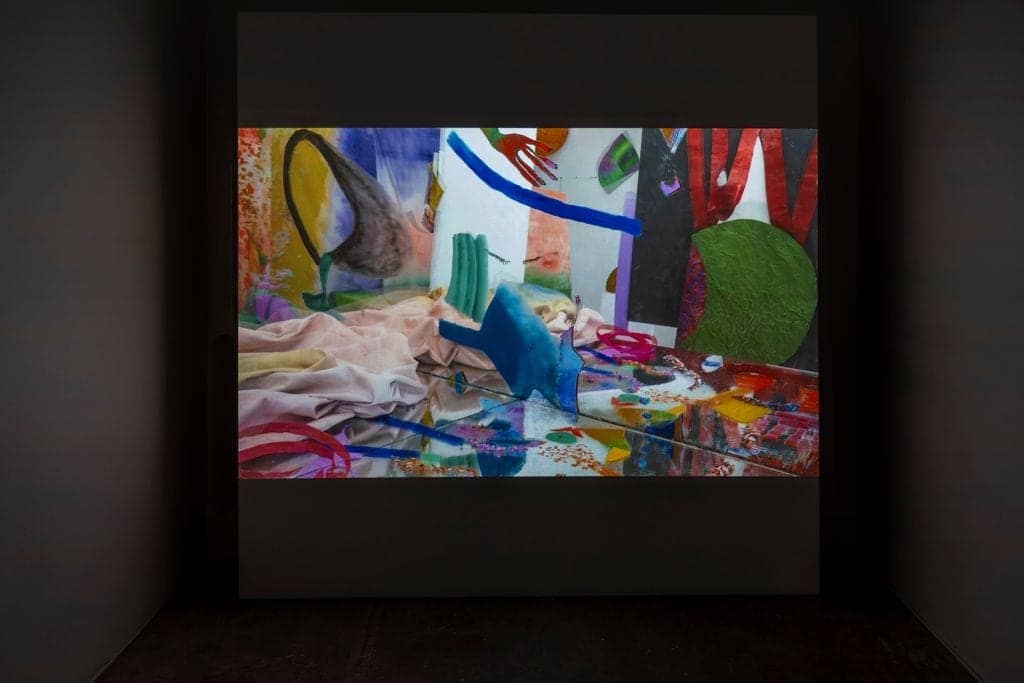
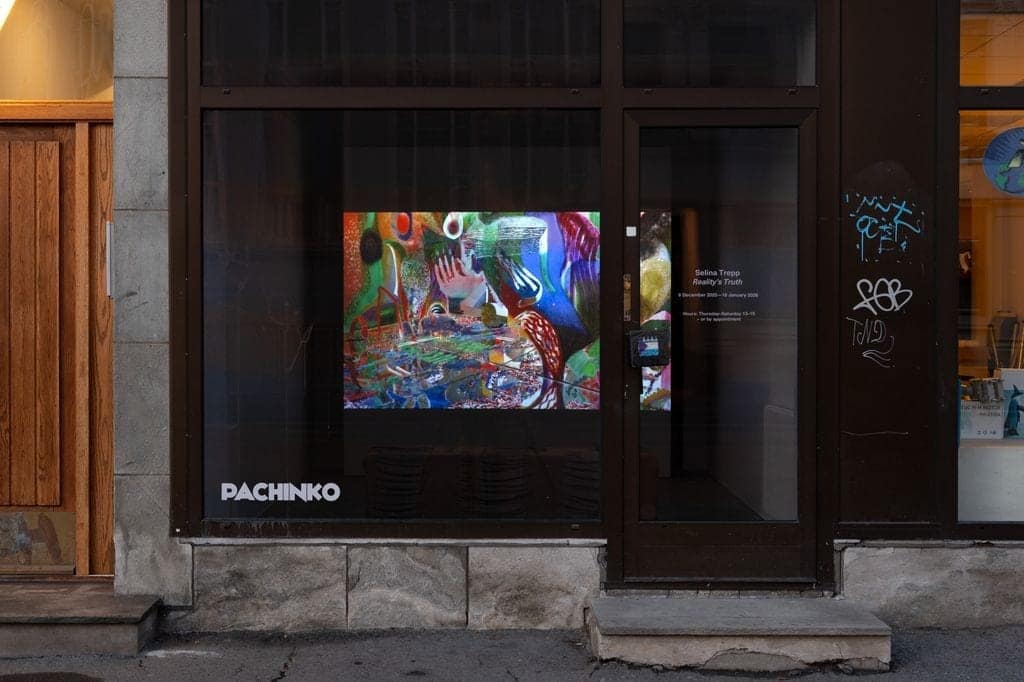
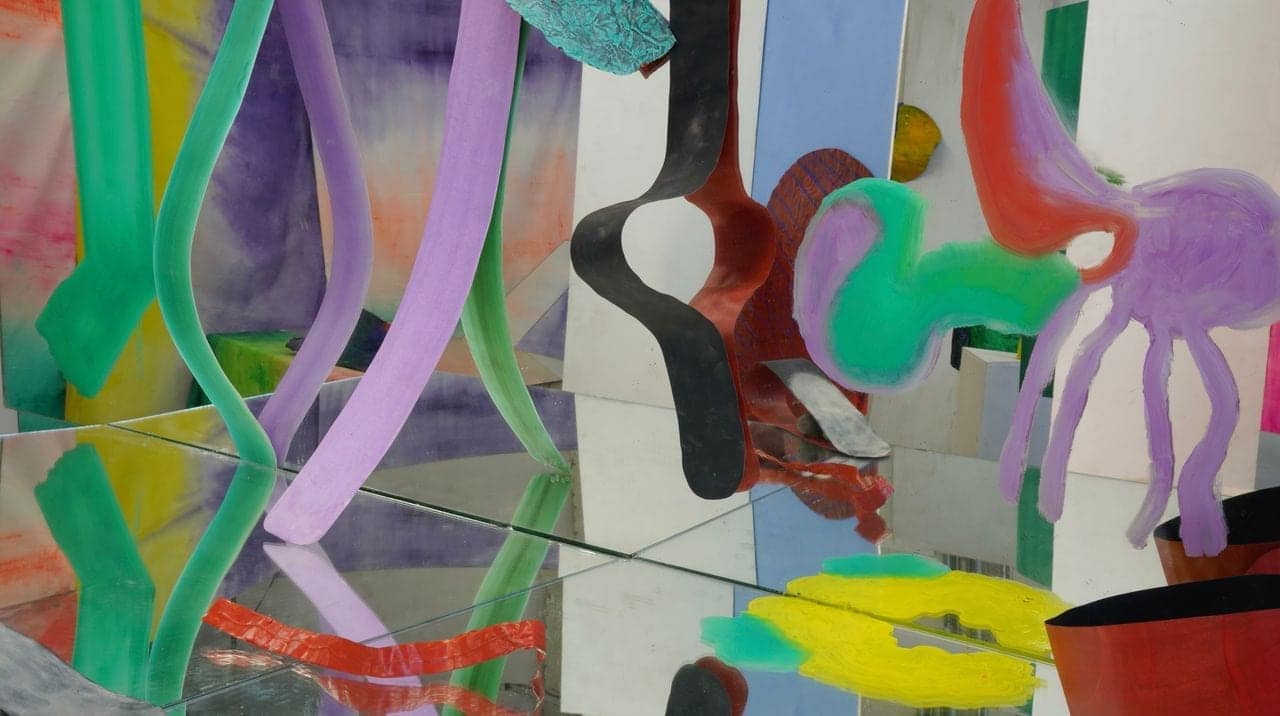
| 2025 | 5 December 2025 – 16 January 2026 | Exhibition | Selina Trepp | Reality's Truth | Zine↗︎Website↗︎ |
Selina Trepp (Swiss/American) is an artist researching economy and improvisation.
Trepp works across media and space combining performance, installation, painting and sculpture to create intricate setups that result in photos, drawings and animations.
In addition to the studio-based work, Selina is active in the experimental music scene. In this context she sings and plays the videolah, her midi controlled video synthesizer, creating projected animations in real-time as visual music. She performs with a varying cast of collaborators and as one half of Spectralina.
During the opening, artist and musician Jenny Berger Myhre performed a 40-minute improvised concert, responding to the video work Zine↗︎Website↗︎ |
| 2025 | 2–5 October | Art Fair | Theodor Nymark, Nikhil Vettukattil | Swab Barcelona | Nymark Dossier↗︎Vettukattil Dossier↗︎ |
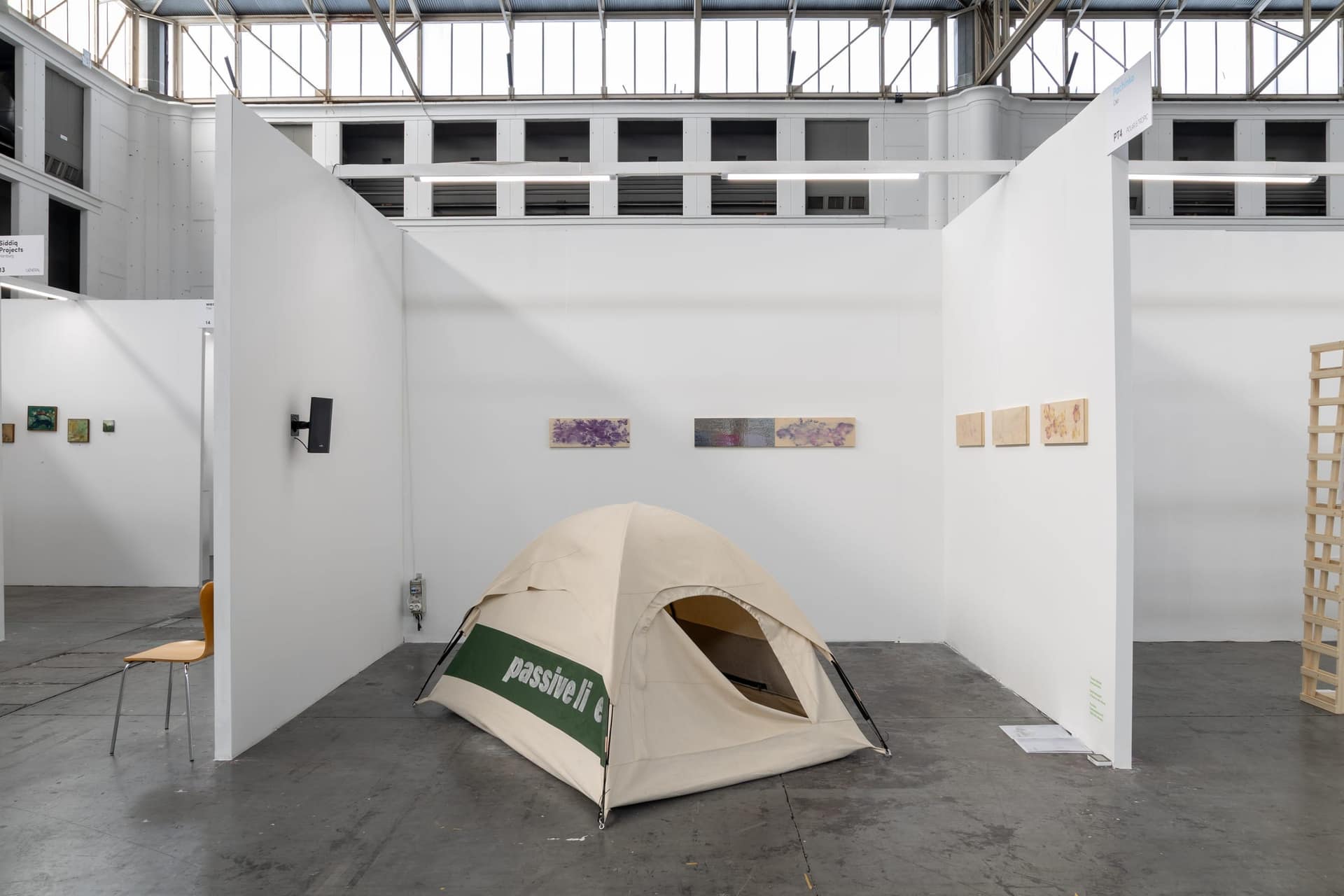
Pachinko presented two artists whose practices materialised environmental awareness through direct botanical engagement and territorial analysis within the “Focus Polar-Tropic” framework of the Swab Barcelona 2025 programme.
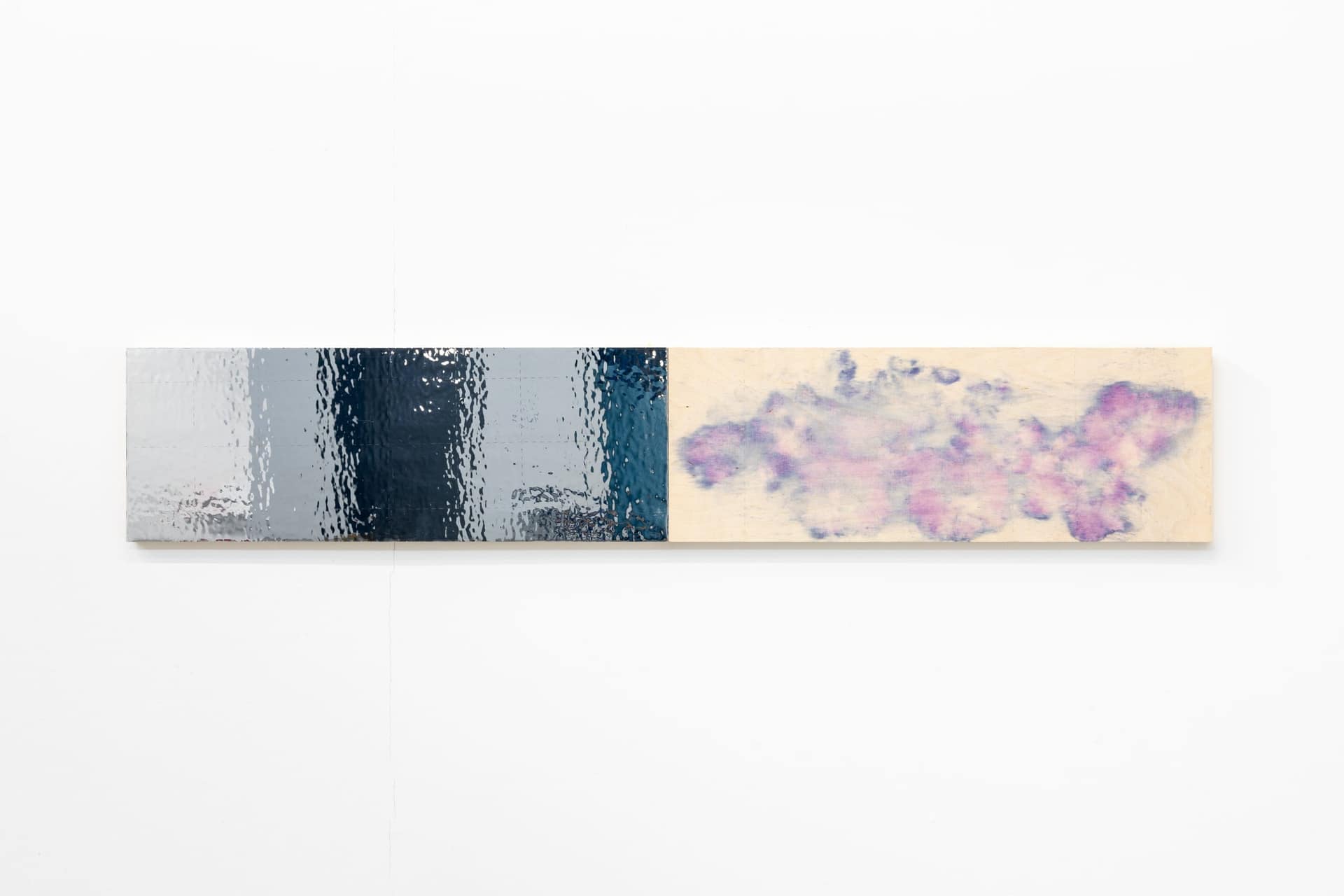
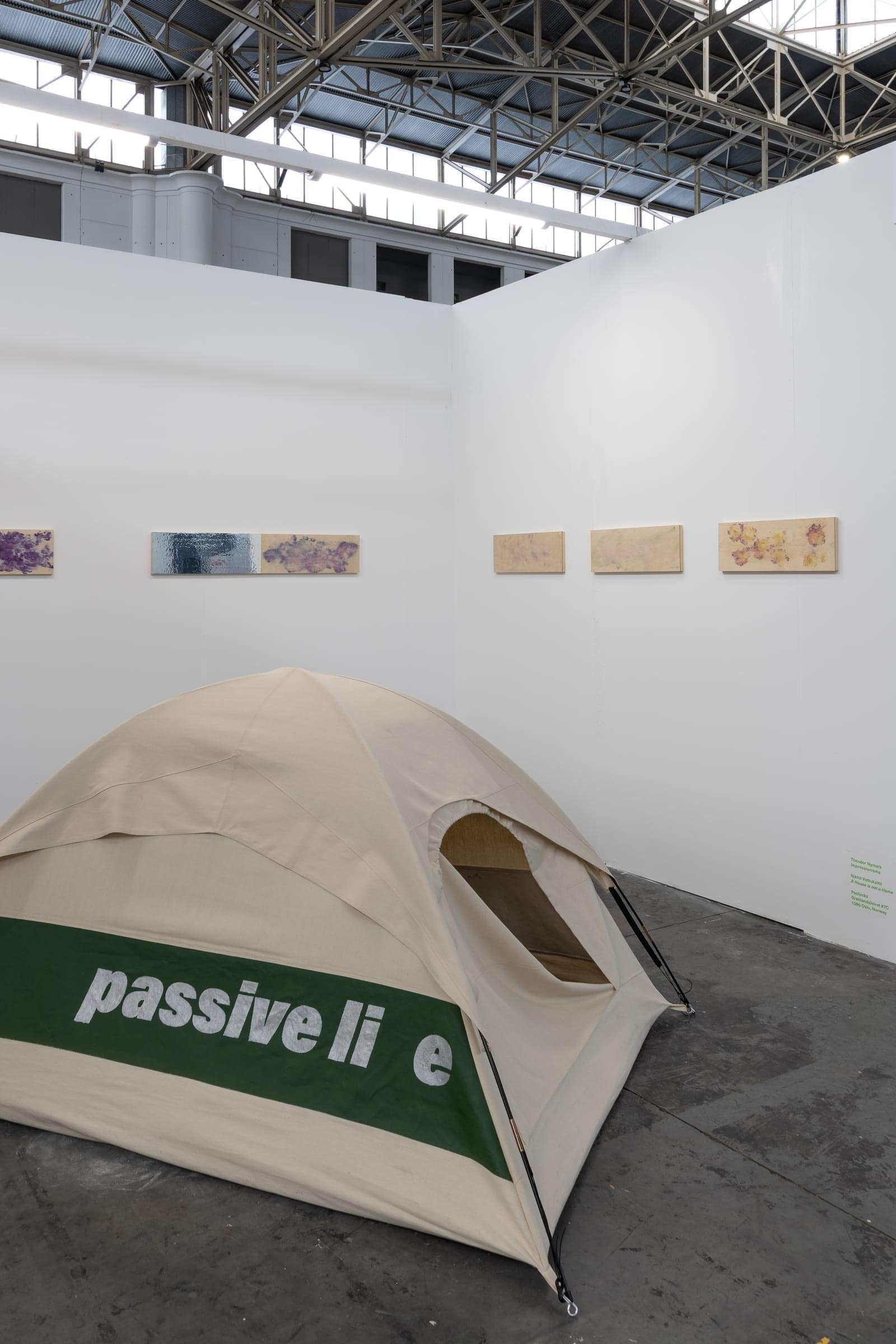
Theodor Nymark presented work from his series Impressionisms, which employed literal pigment extraction from wildflowers gathered across Copenhagen’s eleven municipal biodiversity sites. These newly established meadows, created with specific seed mixtures to support insect and bird populations, provided the raw material for Nymark’s process. Fresh flowers were stamped directly onto birch plywood panels, allowing their natural pigments to absorb into the wood surface whilst acetone transfers created grid-like territorial markings reminiscent of speculative mapping systems. This process referenced French Impressionist landscape traditions whilst addressing contemporary urban biodiversity crisis and real estate speculation. The resulting eleven panels functioned as both geographical markers of their source locations and abstractions of diminishing field spaces under municipal and industrial pressure.
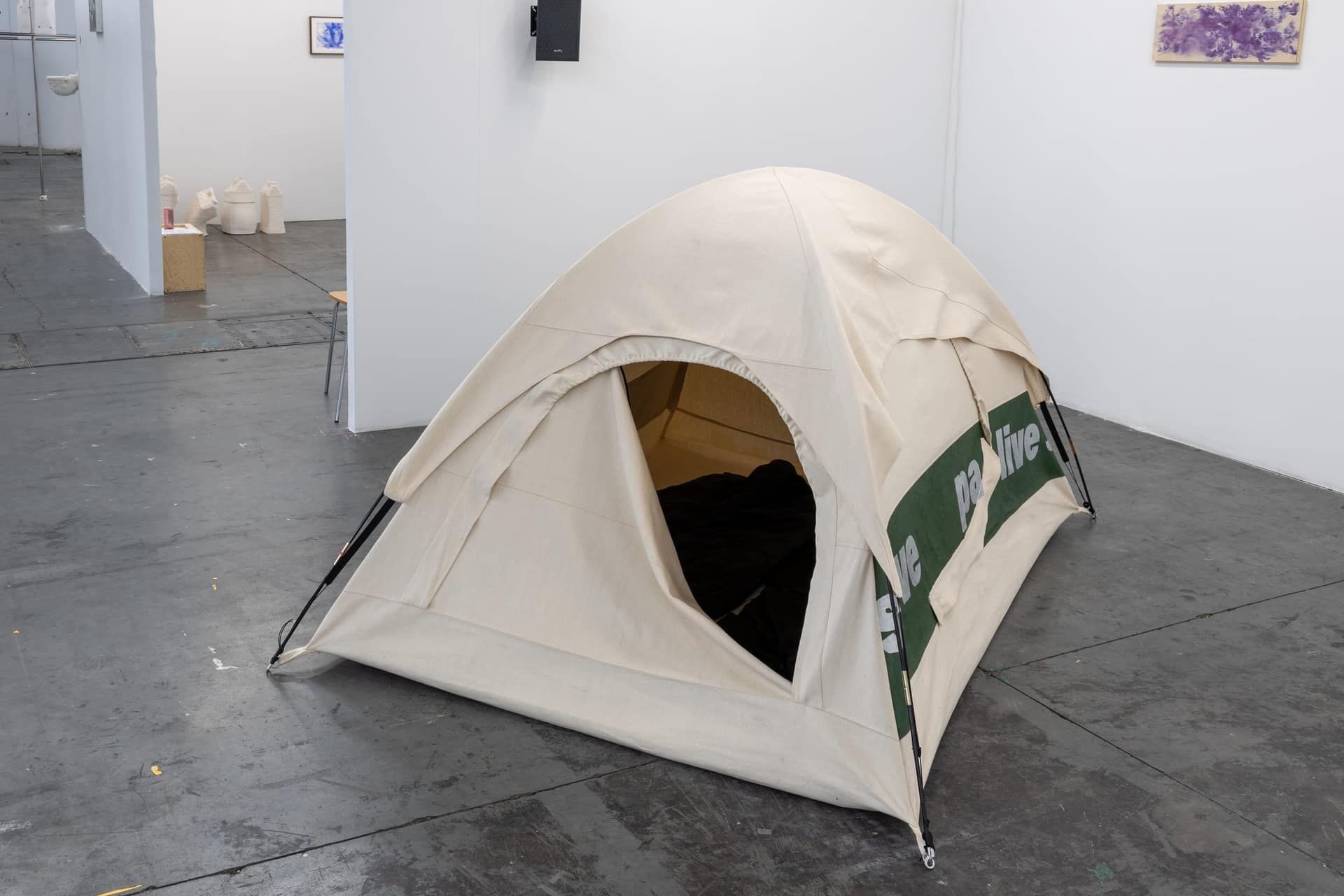
Nikhil Vettukattil presented two works. A House is not a Home reproduced a mass-market camping tent in thick, beige cotton canvas, hand-painted with the fragmented phrase “passive li e”. The work engaged the fragile boundary between shelter and exposure, permanence and precarity, and how belonging is conditioned by structures—both material and ideological—that determine who is seen, sheltered, or excluded. Reanimist (2024) was an audio work generated from field recordings made in Wayanad district, Kerala, capturing ambient sounds at sunset as bird calls, cicadas, frogs, and monkeys shifted in the transition to night. Recomposed through a custom-coded algorithm and bandpass filters, the piece produced an altered soundscape that remained tethered to its source, playing with familiarity and estrangement and the co-constitutive relationship between nature and technology.
Both practices examined how environmental systems respond to human intervention—whether through municipal biodiversity initiatives in Northern European cities or through material and sonic engagements with landscapes across the Global South. The works created direct relationships with living systems and recorded environments whilst addressing broader questions of territorial control, environmental precarity, and belonging. The exhibition’s polar-tropic axis emerged through these contrasting yet related approaches to landscape, memory, and displacement across different climatic zones. Nikhil Vettukattil (b. 1990, Bengaluru) is an artist living and working in Oslo. Vettukattil studied at Central Saint Martins in London and the Centre for Research in Modern European Philosophy (CRMEP) at Kingston University, London. They are part of the Institute for Scene Experiments.
Vettukattil has exhibited at FELIX GAUDLITZ (Vienna), Kunsthall Oslo, Nasjonalmuseet (Oslo), CAPC (Bordeaux), and K-U-K (Trondheim), among others. They are a member of the art collectives Tenthaus and Carrie, and co-curator of MOMENTUM 12 Biennale. Working across sound, installation, performance, text, sculpture, and video, their practice questions modes of representation and image-making processes in relation to lived experience, including current research on Nordic diet and food trade in the High North, examining class, culture, and ecological nutrition models.
Theodor Nymark (b. 1997, Copenhagen) is an artist and curator. In his practice, he systematically examines the metaphorical and physical conceptions of the environment, engaging with it by exploring the role of spirituality in a post-industrial world. Through a narrative and research-based approach, Nymark addresses the landscape by investigating themes such as art history, national identity, land politics, collective memory, and local architecture, while exploring their interconnections and impact on ecological thinking and governance.
|
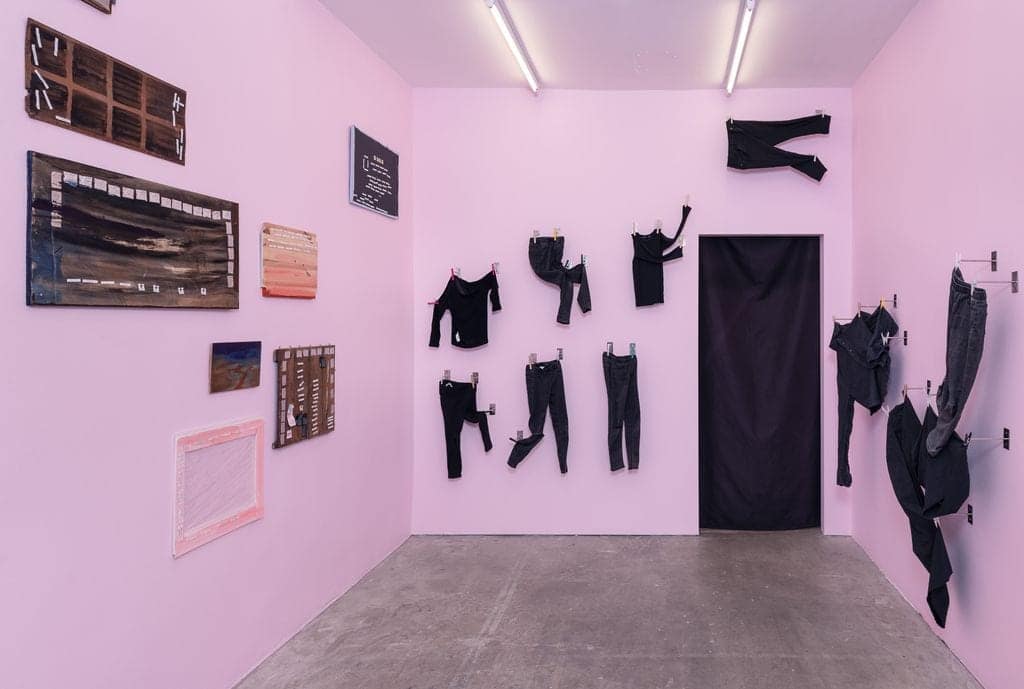
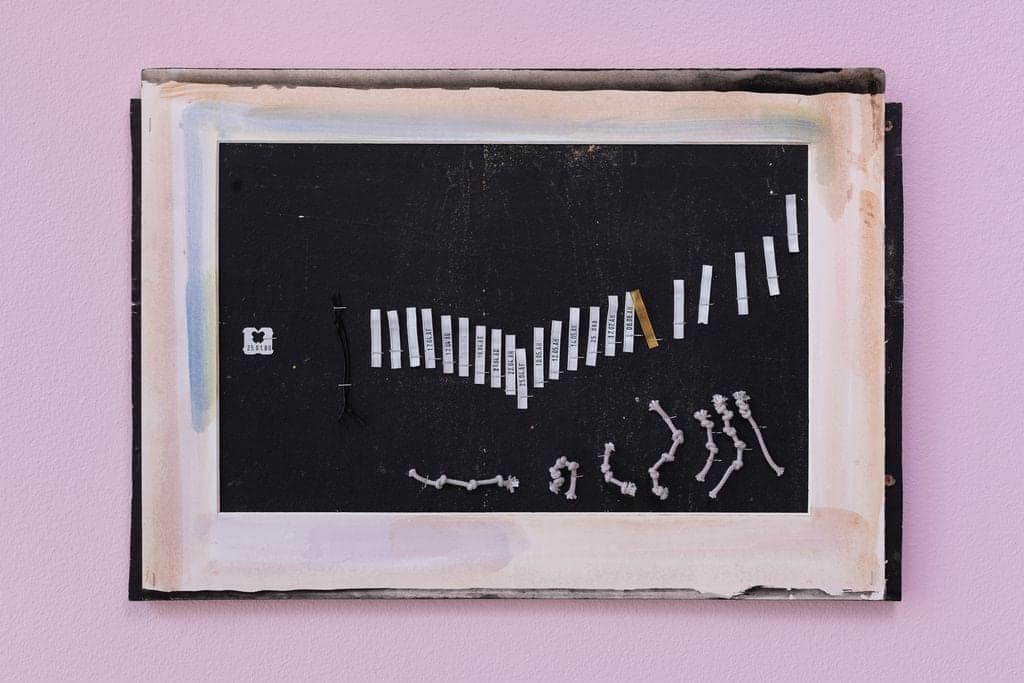
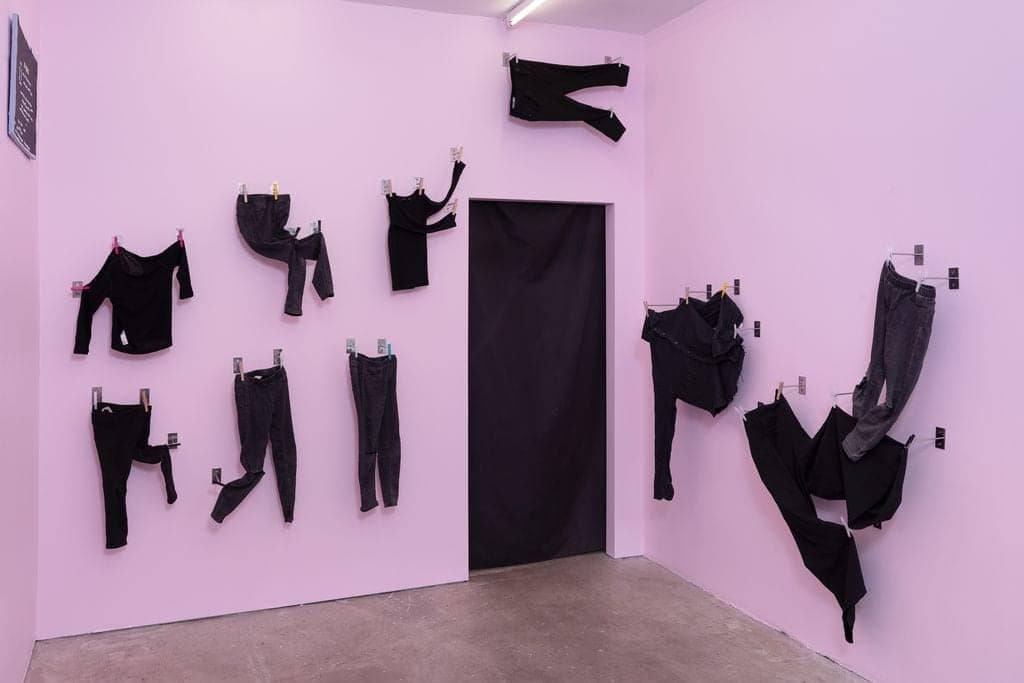
| 2025 | 20 September – 20 October | Exhibition | Hannah Heilmann | HORSESHOE SHAPED POINT OF NO RETURN | Handout↗︎ |
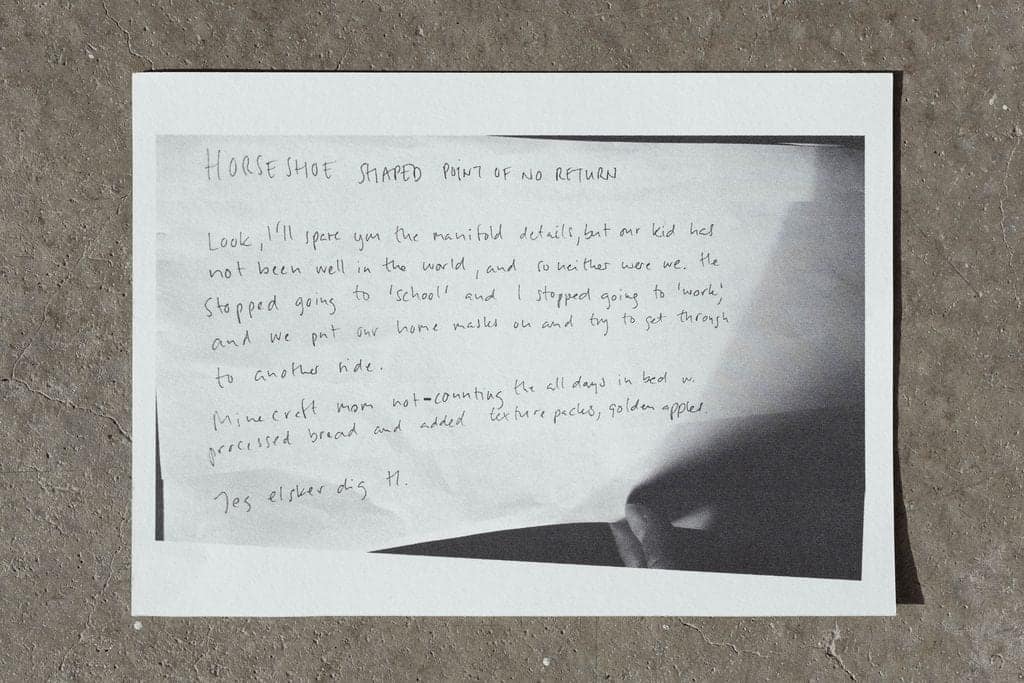
Look, I’ll spare you the manifold details, but our child has not been well in the world, and so neither were we. He stopped going to “school” and I stopped going to “work”, and we put our home masks on and try to get through to another side.
Minecraft mom non-counting all the days in bed w. processed bread and added texture packs, golden apples.
Jeg elsker dig H. Hannah Heilmann (b. 1978, DK) lives and works in Copenhagen. She holds an MA in Art History from the University of Copenhagen and is an Associate Professor at the Royal Danish Academy of Fine Arts, Copenhagen. Heilmann co-founded the artist-run exhibition space TOVES (2010–2017) and the artist collective Ingen Frygt (2001–2010). She has received awards from the Danish Arts Foundation and has exhibited and performed at numerous institutions in Denmark and internationally, including Esbjerg Art Museum, Kunsthal Aarhus, HEART in Herning, and Manifesta 11 in Zurich
|
| 2025 | 12 September | Performance | Bård Torgersen | Oei Oa::: alt snakker Oey Oe::: everything speaks | Aporia↗︎ |
Bård Torgersen 12 September 2025 Hermetiske Skygger and Pachinko presents Bård Torgersen – Oei Oa::: alt snakker / Oey Oe::: everything speaks
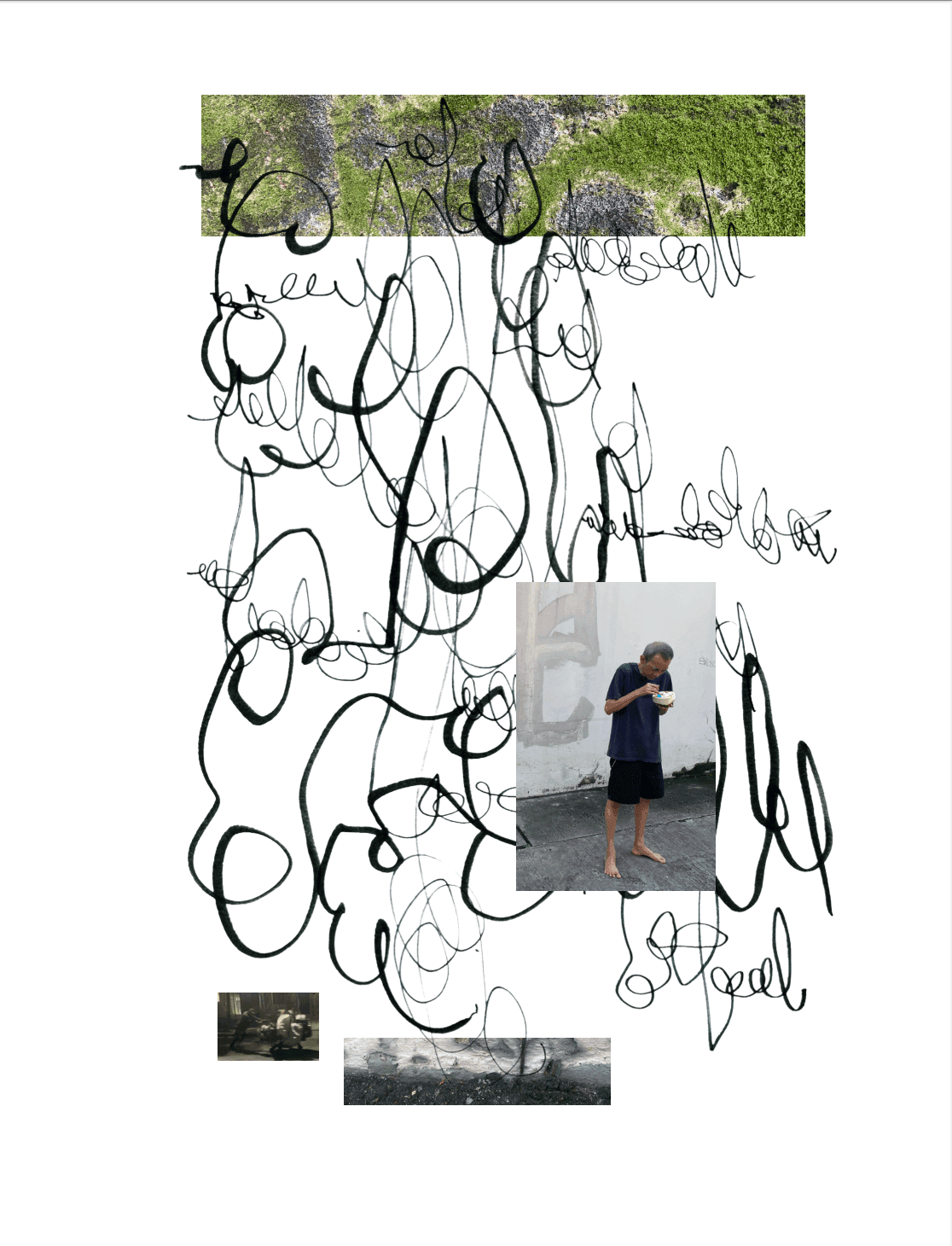
Oei Oa::: alt snakker / Oey Oe::: everything speaks: a novel masquerading as scribbles? A long poem disguised as photography? This book brings together Bård Torgersen’s photographs and asemic writing. Designed by Stener Vaagland, it marks the debut publication from Torgersen’s new publishing house, Aporia.
Performance: Sound poetry and live writing by Bård Torgersen. Bård Torgersen (b. 1967) is a writer, poet, and musician. He debuted in 2005 with the novel Alt skal vekk (“Everything Must Go”), and has since worked across a wide range of genres and forms. He has published over twenty books – including novels, poetry, and prose – as well as numerous sound and text-based works. Torgersen has performed in Norway, across Europe, and in Japan, and has collaborated with a variety of writers, musicians, and artists. His work has been published in Norway, Germany, the USA, and the UK.
|
| 2025 | 21–22 August | Exhibition | Henrik Follesø Egeland | Noise Floor | Website↗︎ |
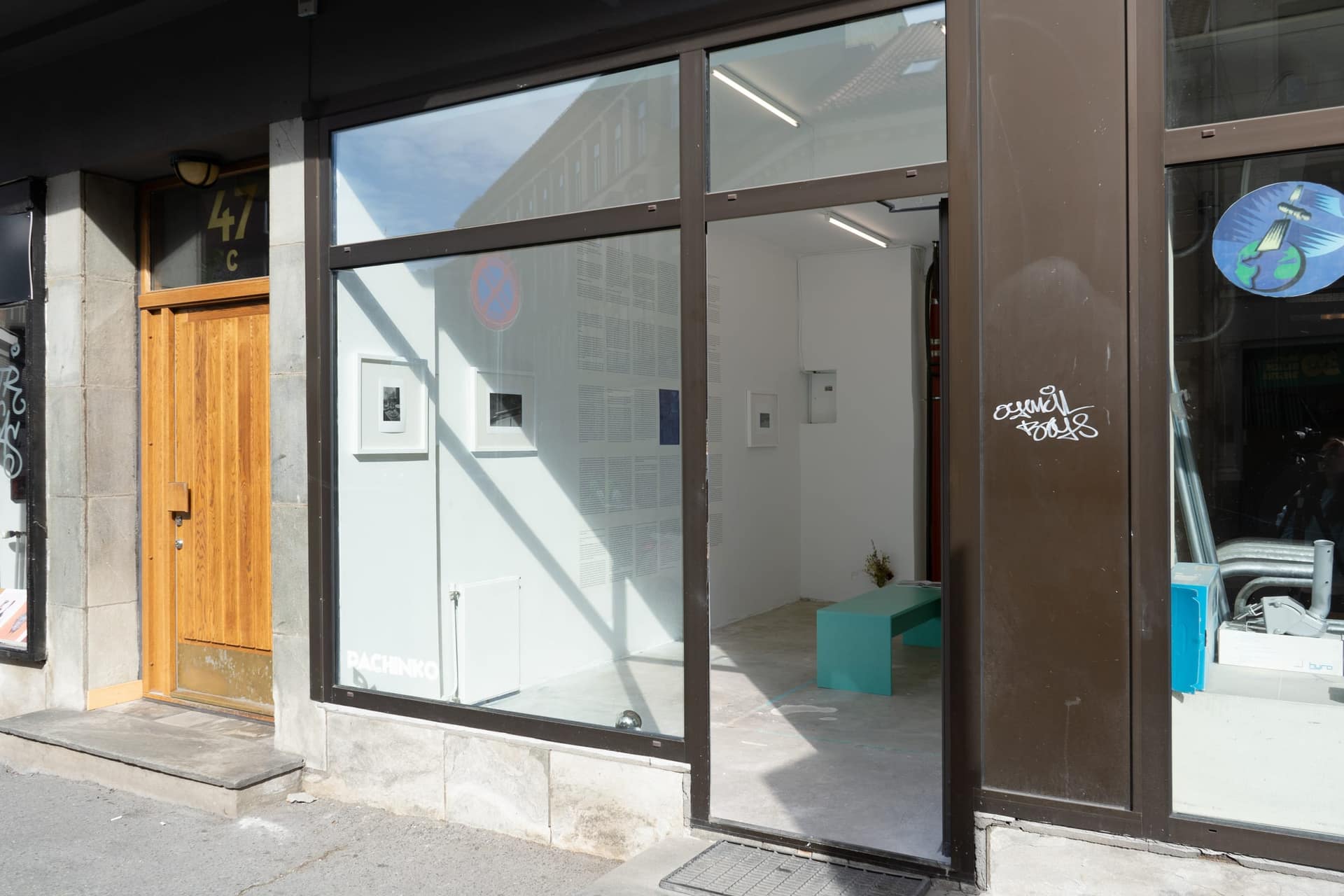
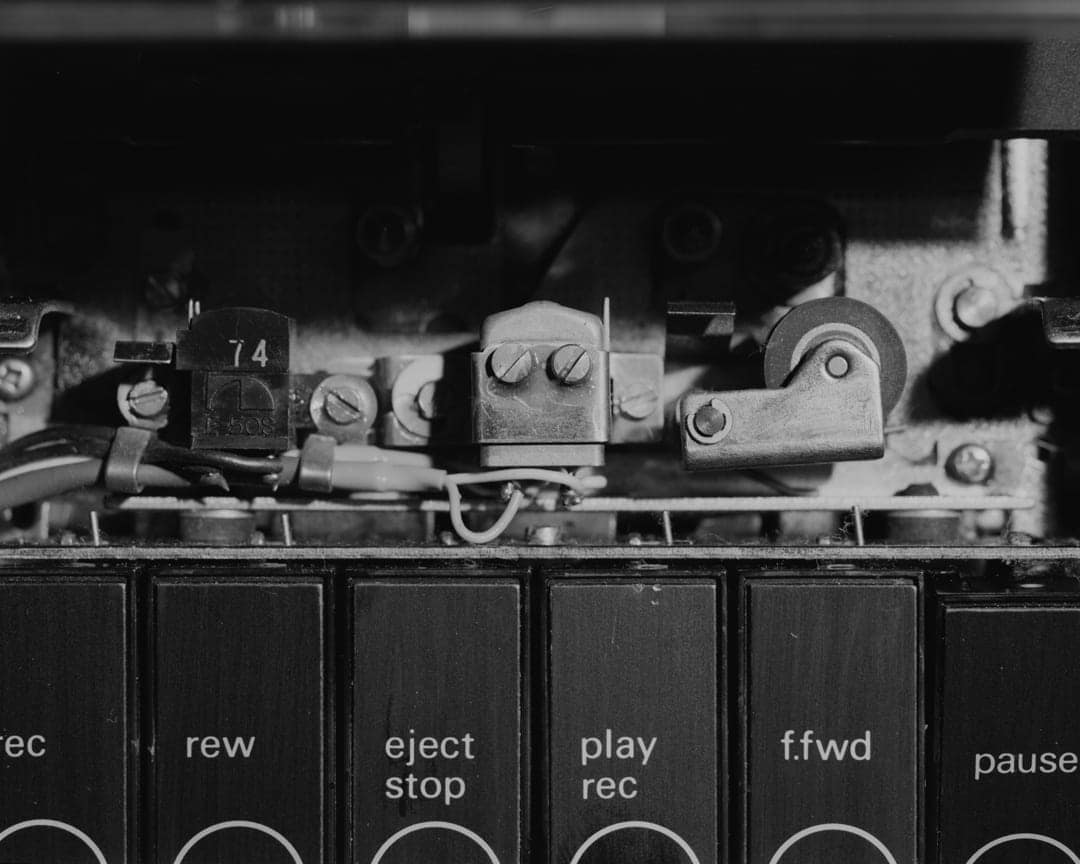
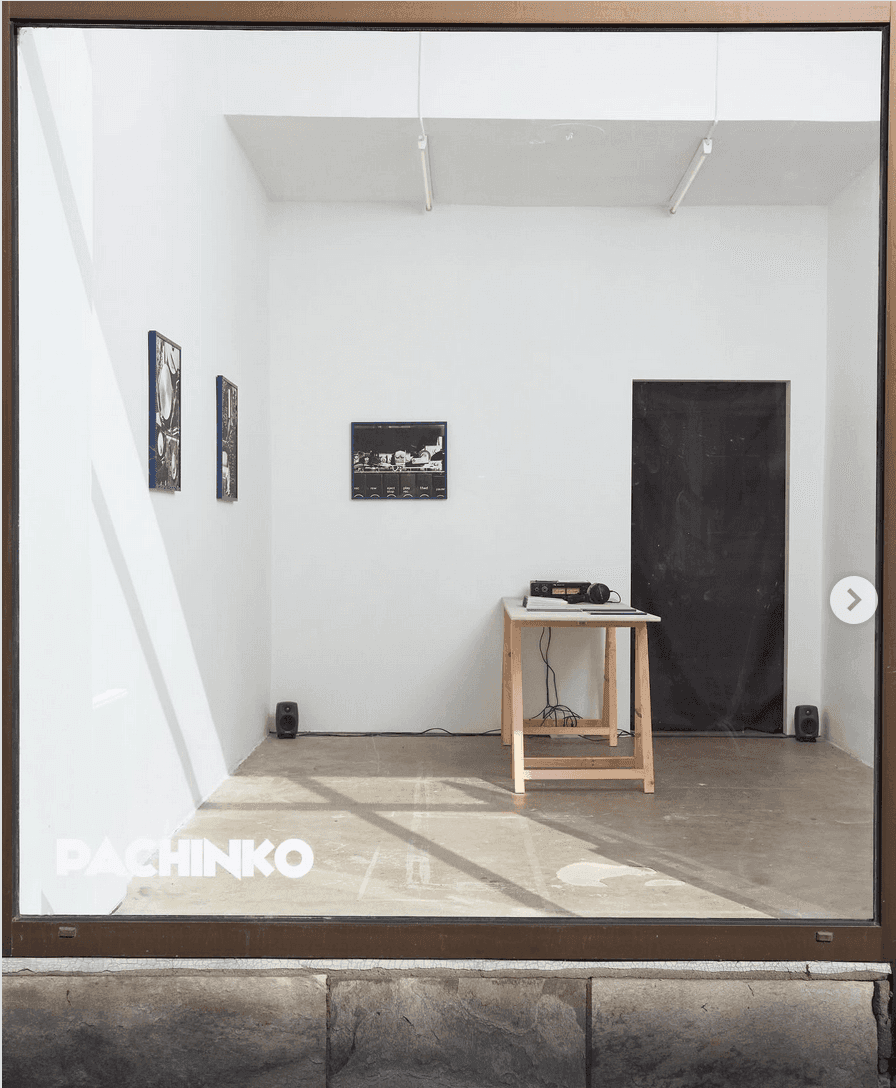
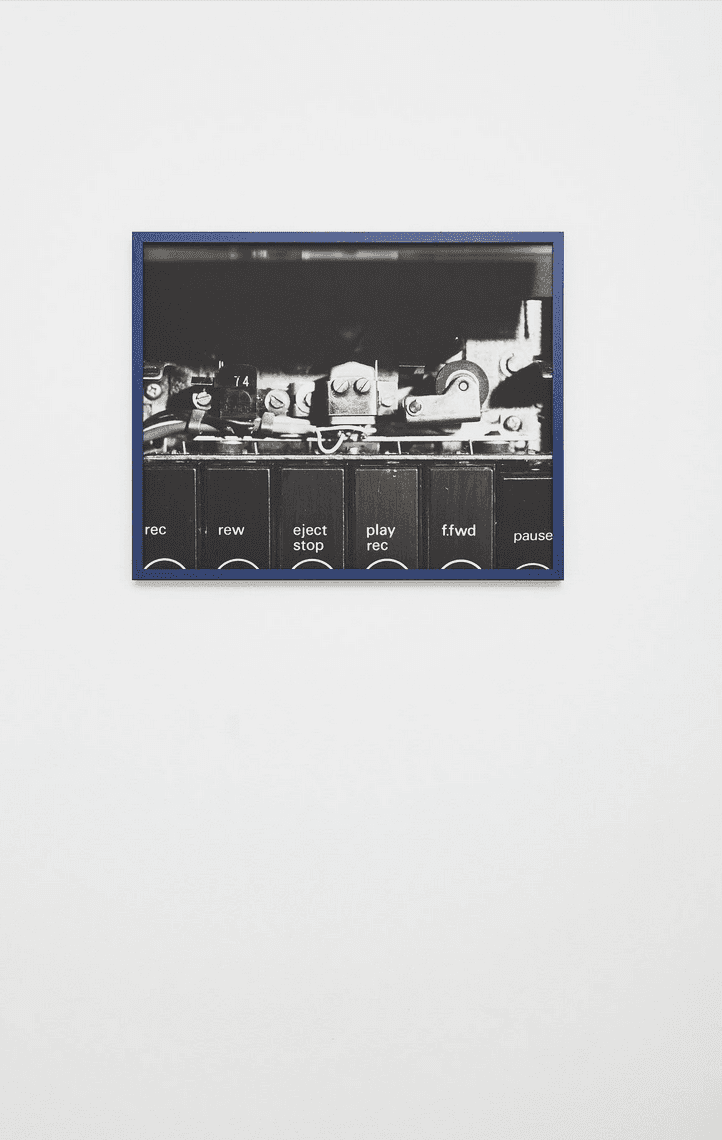
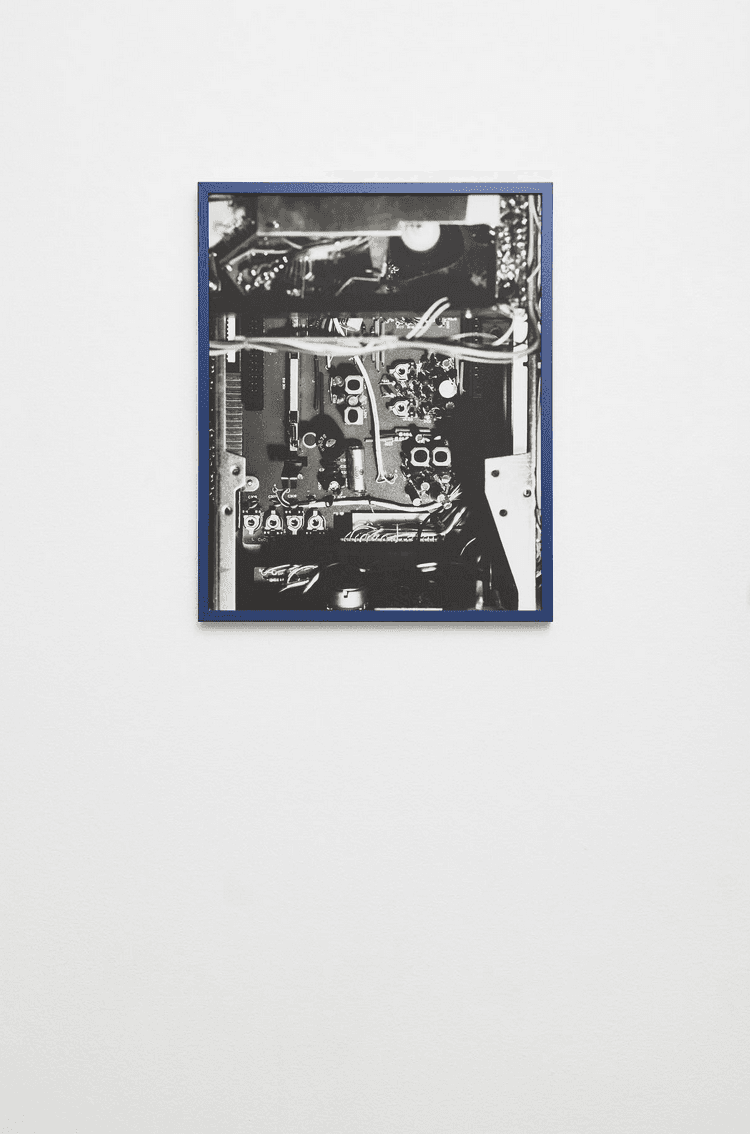
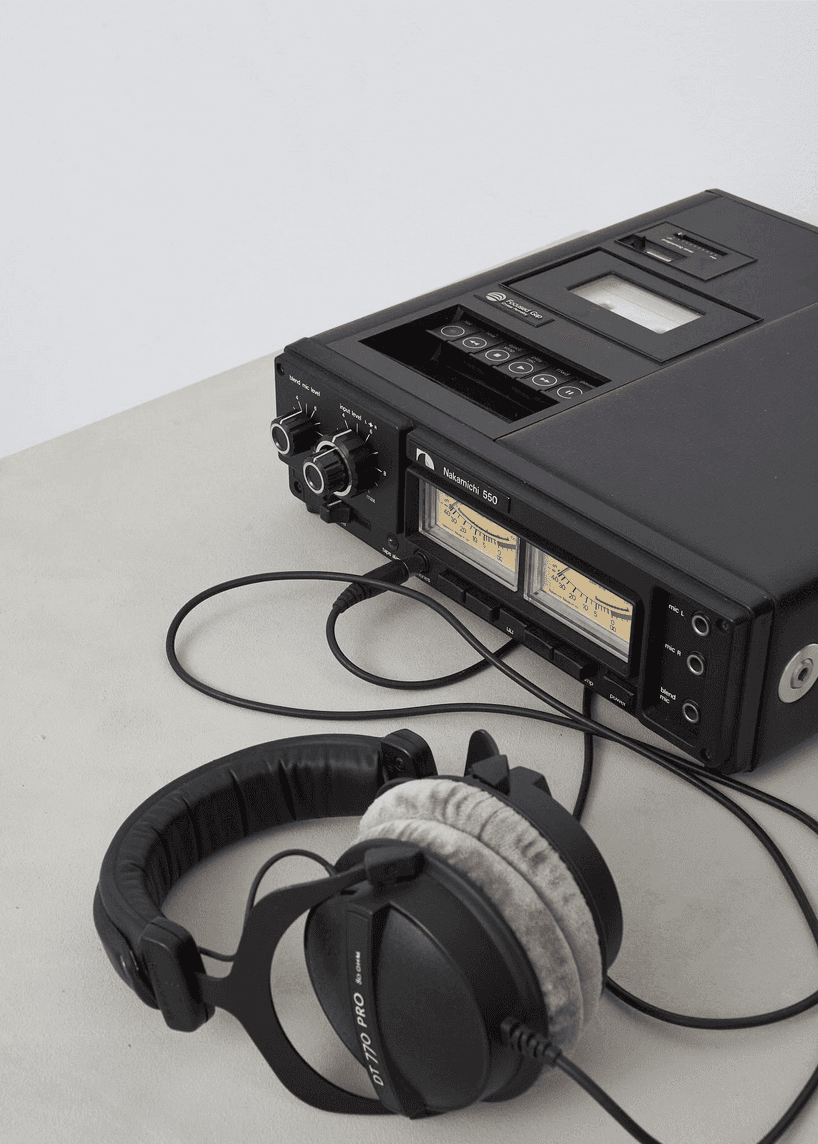
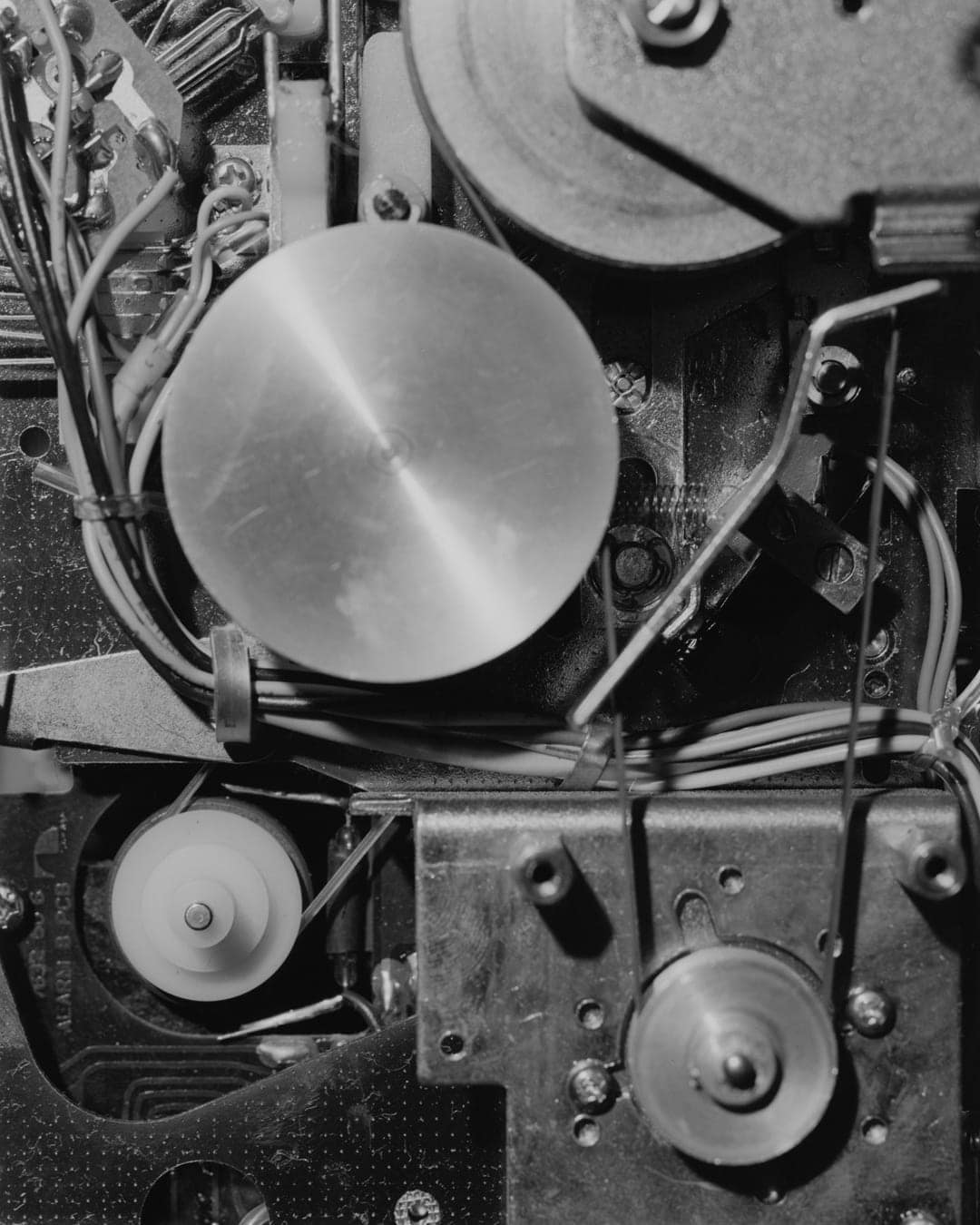
Henrik Follesø Egeland 21–22 August 2025 The book launch and exhibition Noise Floor by Henrik Follesø Egeland were presented at Pachinko on Thursday 21 August (19:00–21:00) and Friday 22 August (10:00–15:00), at Grønlandsleiret 47C, Oslo.
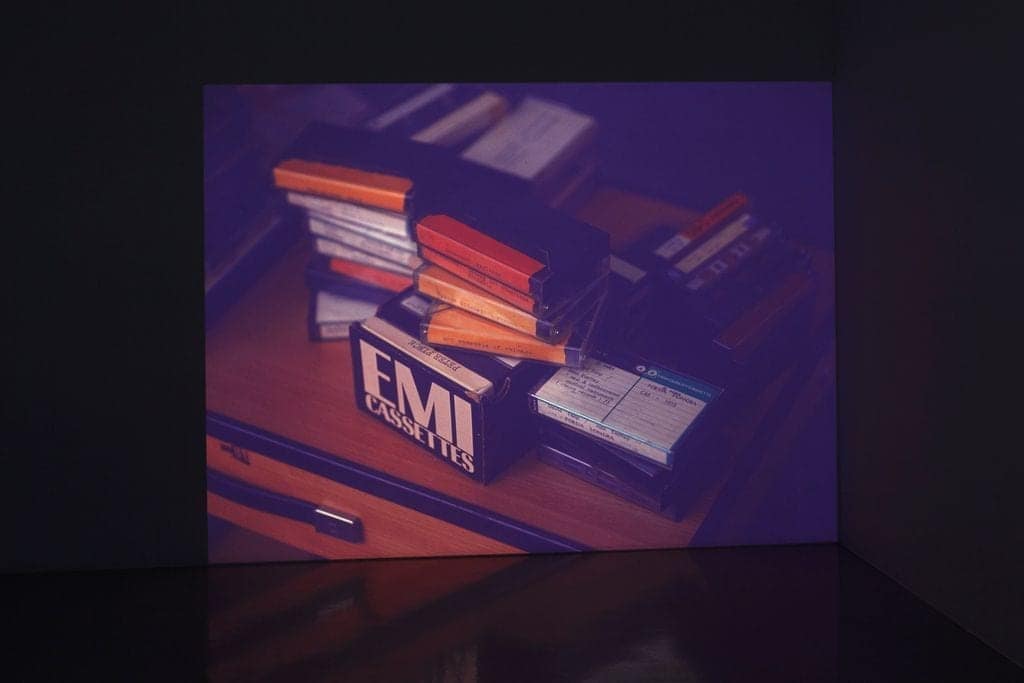
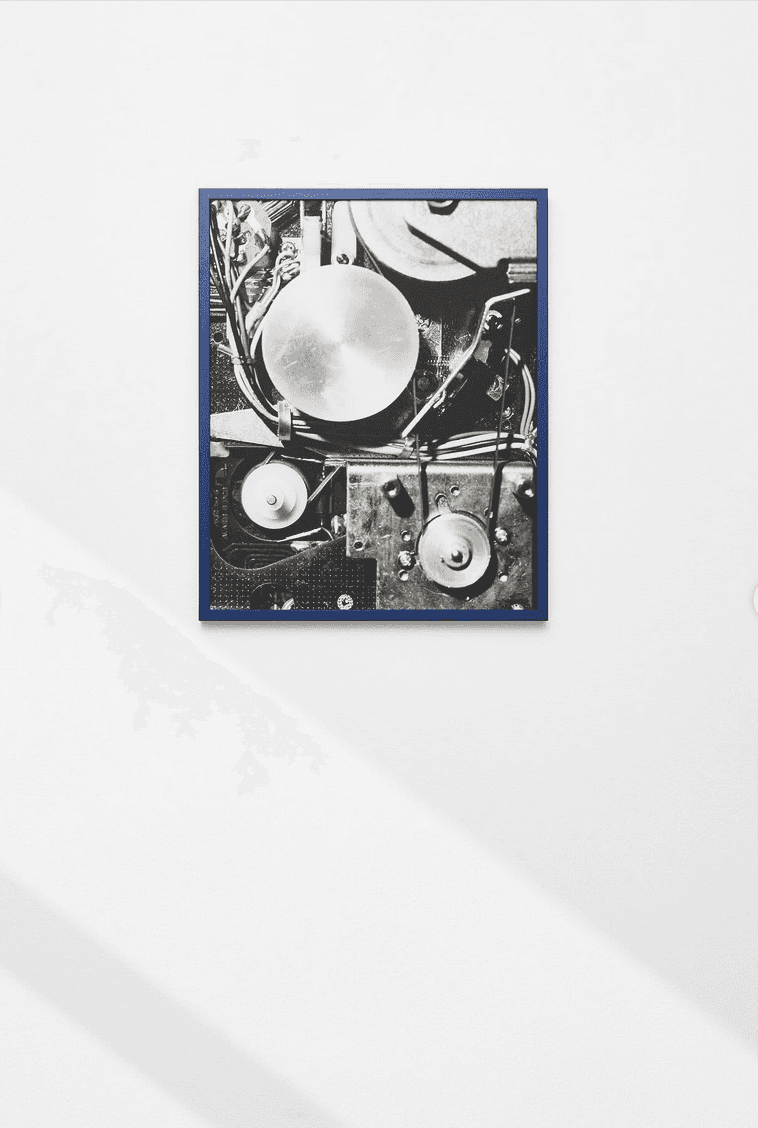
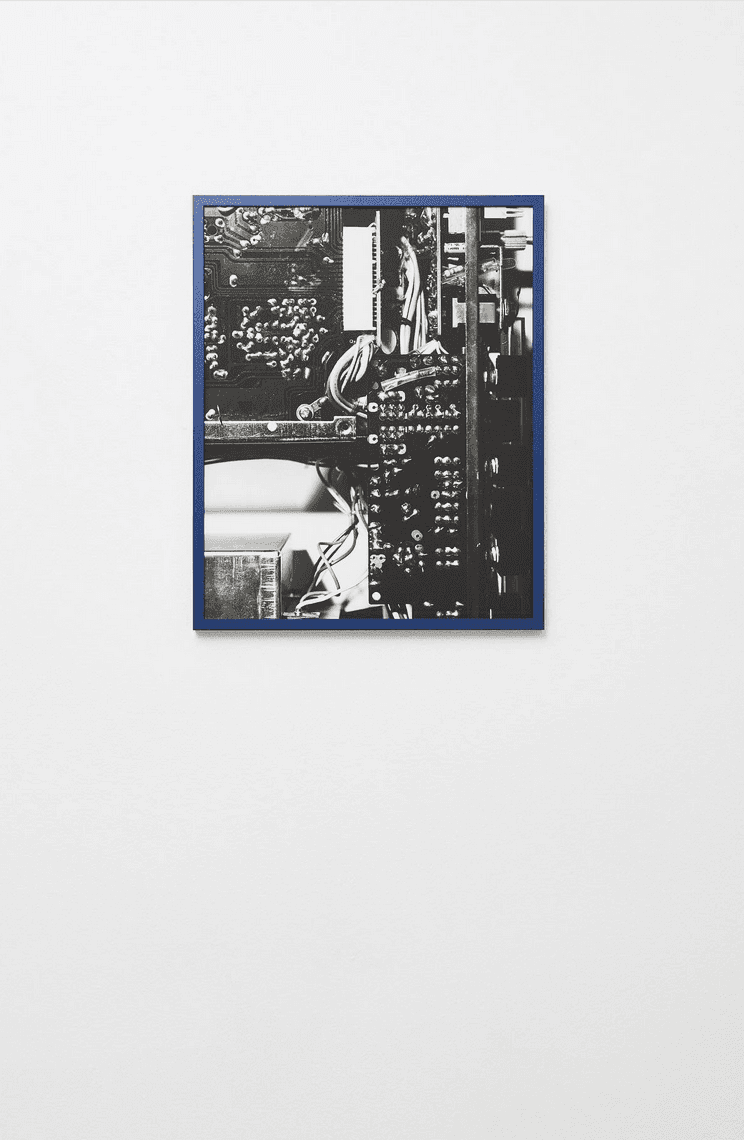
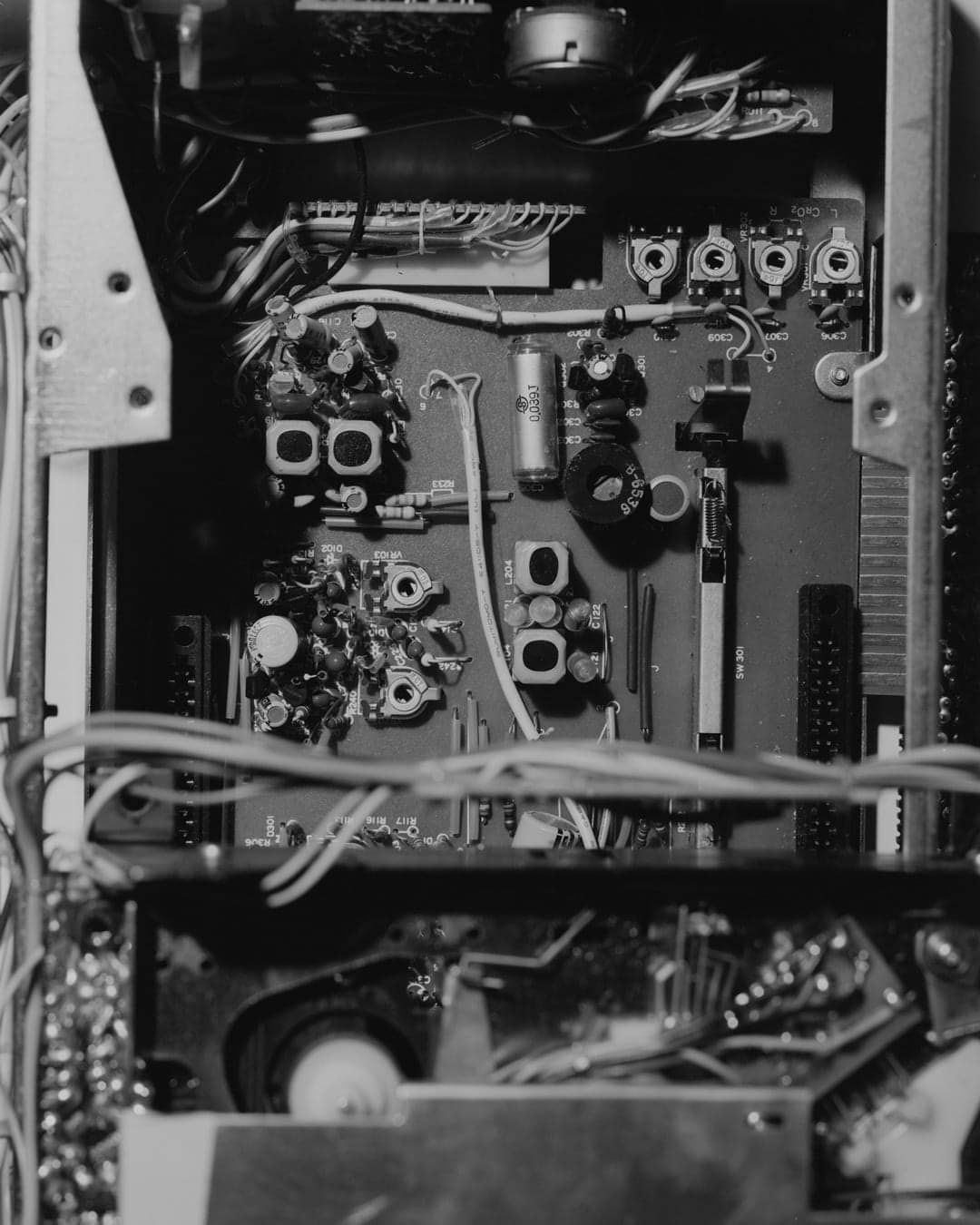
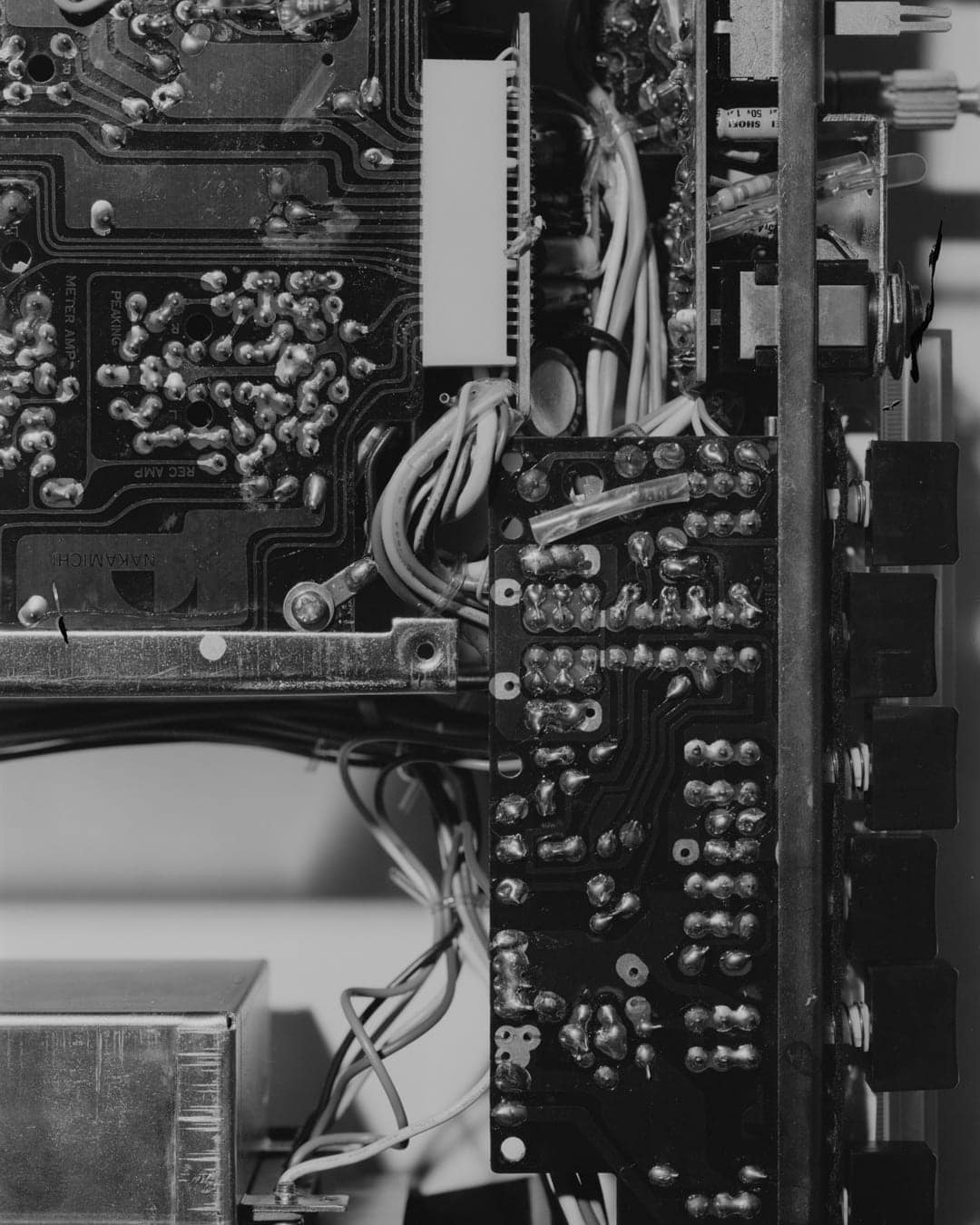
Taking the repair and servicing of a 1970s tape recorder as its point of departure, Noise Floor intersected the development of recording technologies with ideas of sonic presence. Using the repair manual as a structuring device, the publication combined appropriated advertising language with the artist’s own writing, alongside technical photography and photographic abstraction. Through this interplay of materials and voices, the work examined notions of a “sonic self” in relation to the recording industry’s pursuit of increased sensitivity and reduced noise. Henrik Follesø Egeland (b. 1994) is an Oslo-based visual artist and photographer. He is a graduate from the Oslo National Academy of Arts (MFA / 2020-22) as well as the University of Roehampton (BFA / 2014-17). Through an exploration of photography, text and sound, his work investigates how we know where we are – grounded in cultural imaginations of time and place.
|
| 2025 | 4 June | Performance | Oda Kirkebø Nyfløtt, Eirik Havnes, CAKE and DOBRE / JERSTAD | I Am Undone Vol.8 | LiLi Re↗︎ |
I AM UNDONE Vol. 8 was presented at Pachinko on 4 June as a process-oriented event for performing arts in Oslo, curated by the artist collective LiLi Re. The programme brought together four performances in development by Oda Kirkebø Nyfløtt, Eirik Havnes, CAKE and DOBRE / JERSTAD.
I AM UNDONE is conceived as a platform for unfinished work, offering insight into artistic processes as they unfold. The event brought together artists across disciplines and created space for performative actions that challenged established methods and opened up new directions. Each edition of I AM UNDONE takes shape in response to its surroundings, and at Pachinko the format adapted to the spatial and material conditions of the exhibition space.
Curated by LiLi Re
Graphic design: Ginevra Dondina Oda Kirkebø Nyfløtt, a performer and theatre maker educated at the Jacques Lecoq school in Paris, presented material from the work-in-progress 17,2 years. Her practice often engages themes of wonder, transformation and emotional states that resist resolution. In this project, she explored the possibility of revisiting, deconstructing and rebuilding a fractured self-image, drawing on experiences of trauma, shame and release.
Eirik Havnes works across music, text and performance, often in collaborative formats. His contribution explored the relationship between sound and spoken language, bringing together his roles as musician and reader in a shared performative framework. The work examined how text and sound interact in real time, and how meaning is shaped through their interplay.
CAKE (Orfee Schuijt, Ingrid Haakstad and Jennifer Torrence) is a working group operating between dance and music. Their presentation tested performative practices across these fields, focusing on rhythm, repetition and the physical presence of sound. The group approached collaboration itself as a method, allowing different disciplinary approaches to inform and destabilise one another.
Georgiana Dobre and Ellen Jerstad presented an interdisciplinary work drawing on choreography, text and scenographic elements. Dobre’s practice engages speculative somatic approaches informed by queer and posthuman theory, while Jerstad’s work explores narrative structures through immersive and sensory environments. Their collaboration examined performative expressions of intimacy and identity, working with gesture, voice, lip-synching and cinematic reference points. The project was developed in dialogue with Annike Flo (visual and material elements) and Linn Nystadnes (sound).
|
| 2025 | 25 April – 24 May | Exhibition | Saman Kamyab | Terminal of Happiness | Handout↗︎ |
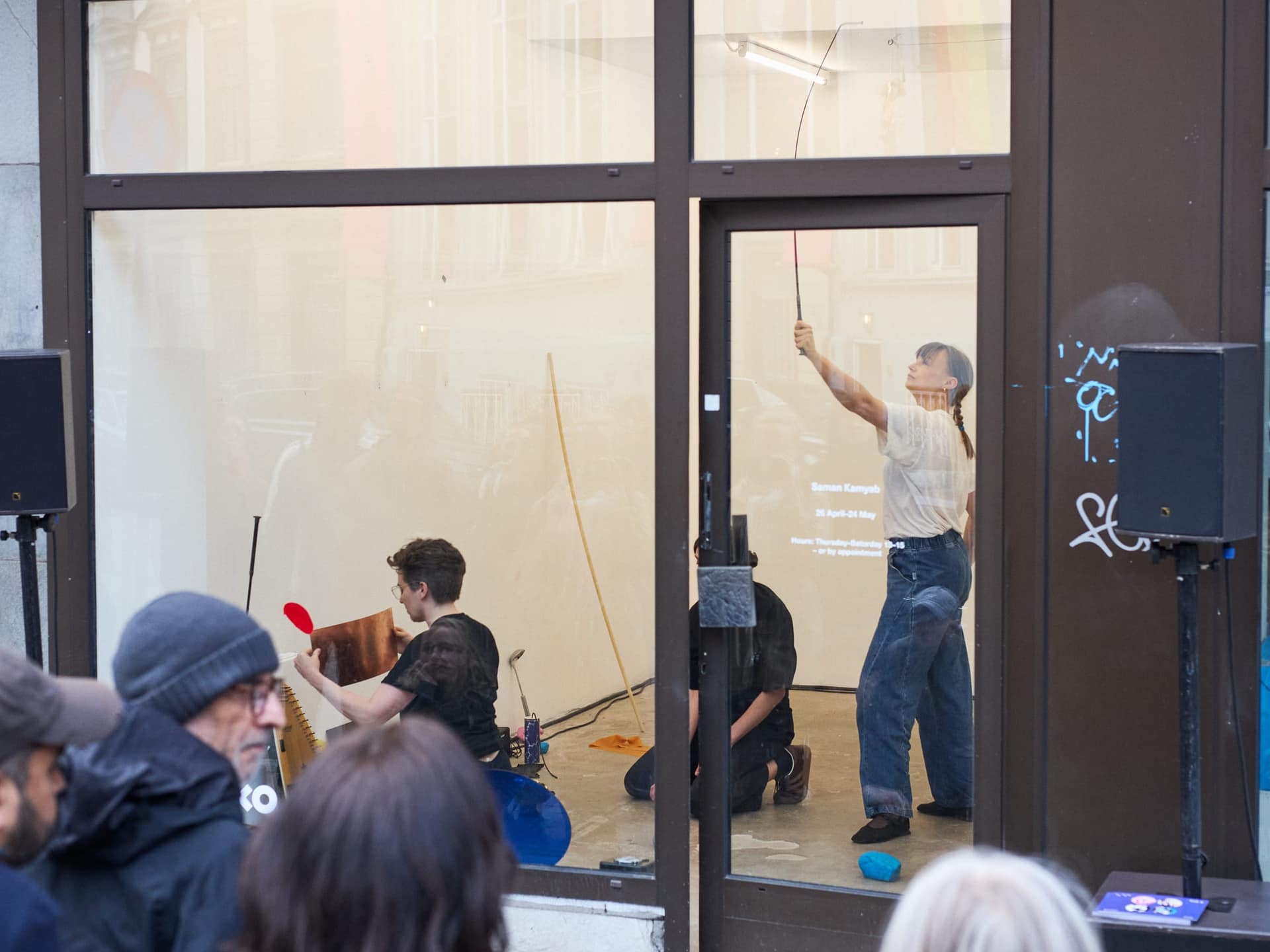
Saman Kamyab 25 April – 24 May 2025 Champions, swan, corn, gear lever, table for two, restored harmony, a man with cigarettes in a freshly laundered shirt and figure with exposed underwear. Terminal of Happiness, an exhibition by Saman Kamyab on view at Pachinko, Oslo. Saman Kamyab lives and works in Oslo. Recent projects include WESTERN, Centralbanken, Oslo; Kunsthall Oslo, Oslo; Swap, Celin, Oslo; Foil, Tag Team Studio, Bergen; Trifolii, WIELS Contemporary Arts Centre, Brussels and Crop, Podium, Oslo.
|
| 2025 | 1–29 March | Exhibition | Urd J. Pedersen | Verdensfasaden | BRUGD Concert↗︎ |
Urd J. Pedersen 1–29 March 2025 Opening Friday 28 February 18:00—21:00
Concert(s) from 19:00 with BRUGD (Brage J. Pedersen & Urd J. Pedersen)
Cassette tape release Urd J. Pedersen (b. 1989, Stavanger) received her Master's degree from the Oslo National Academy of the Arts in 2018. Her works have been acquired by prestigious institutions including the National Museum, the Norwegian Parliament and Stavanger Art Museum. Pedersen has exhibited extensively in recent years, with solo and group shows across Norway including Oslo, Stavanger, Kristiansand, Lillehammer and Bodø. Alongside her visual art practice, Pedersen is a musician and forms one half of the duo BRUGD.
|
| 2025 | 18 January – 15 February | Exhibition | Fredrik Berberg | New Works | |
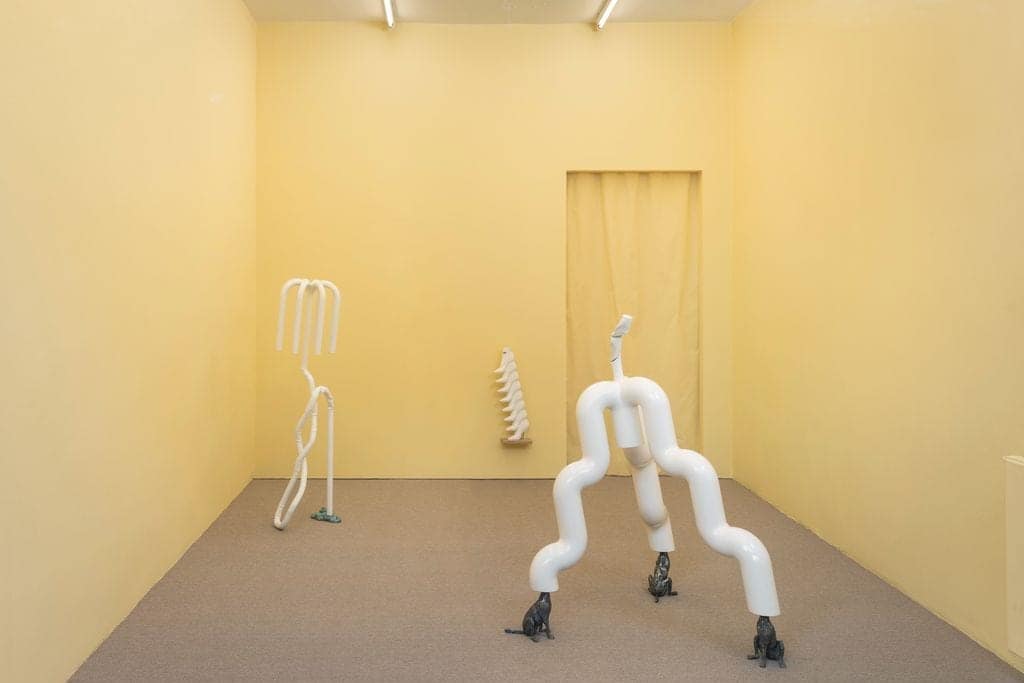
Pachinko is pleased to present NEW WORKS, an exhibition comprising three sculptures by Oslo-based artist Fredrik Berberg. Through a perspective that is both analytical and imaginative, the exhibition deals both with structures in nature, virtual spaces and translation.
Berberg’s process begins in the clean, diffuse-lit space of digital software, where he sketches and models his sculptures. This virtual environment, characterised by a uniform, non-directional lighting, provides a highly controlled, but ultimately flat and ghostly space. When these designs move into the real world, where matter (and especially Pachinko) is inherently “dirty” and subject to use and wear, the sculptures keep some of their diffuse smoothness. Although altered and ultimately compromised, the perceptual blur remains whether through the simulated glow of a screen or the ambient warmth of a gallery.
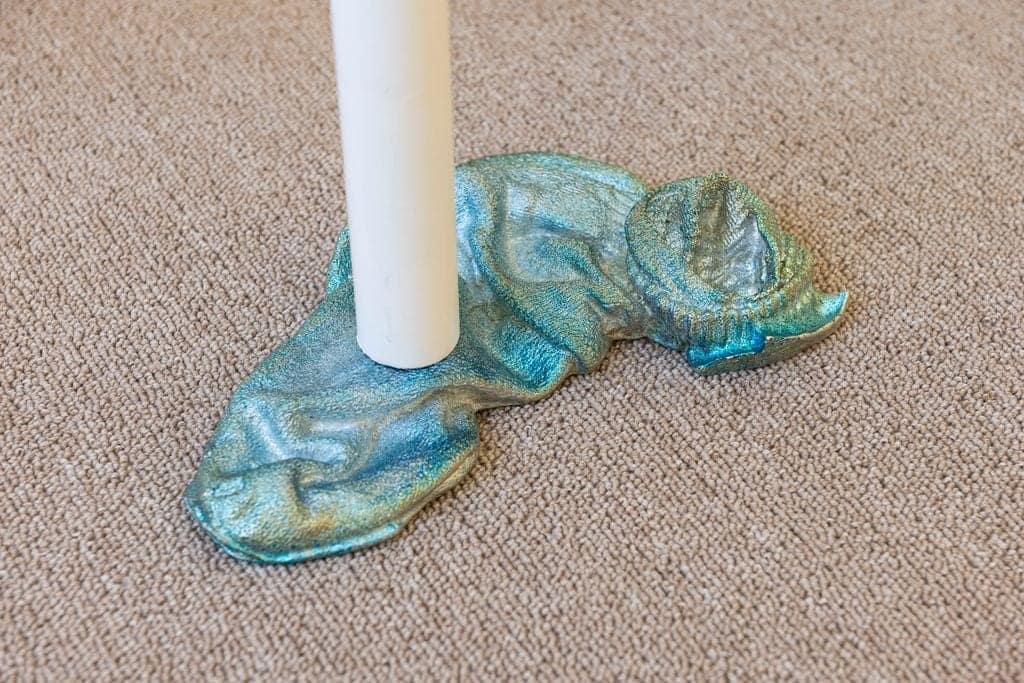
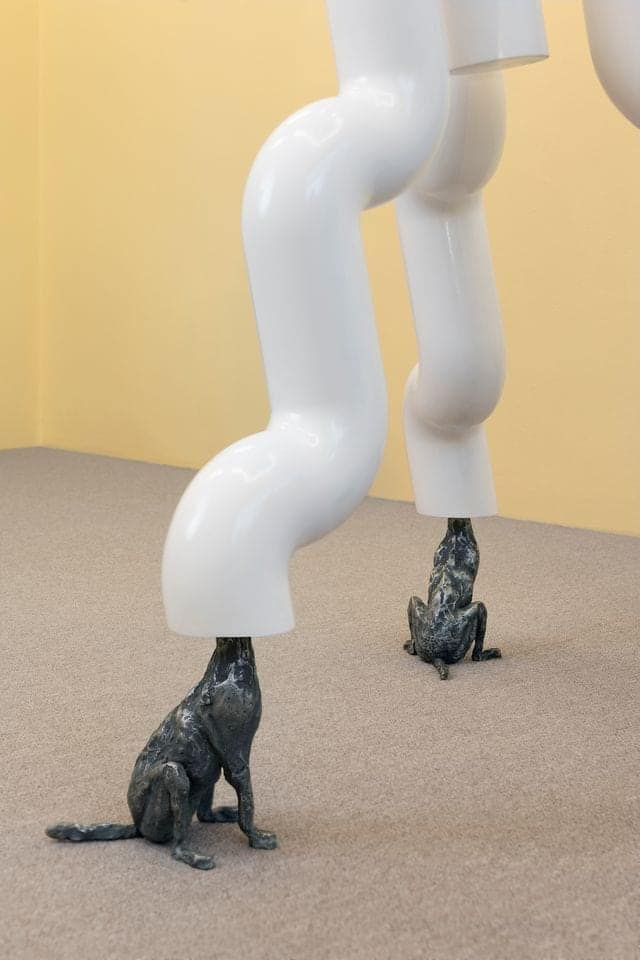
The exhibition space itself feels slightly off – both overexposed and dim – setting the stage for three sculptures that share this sense of quiet distortion. The most condensed work in this exhibition, Stuttering (attitude), is a vertical array of white-lacquered stilettos. Originally designed to evoke a cat arching its back, the stiletto follows a dual conceptual thread, both common to the practice of the artist: one of biological mimicry and another of aesthetic obfuscation, masking the ordinary shape of the foot. Another, Fashion statement, rests on three headless dogs, each tripods, while the third piece, Gesture (Palm Tree), is held upright by a tin-cast, aqua-chrome tennis sock. In each work, the base – whether stiletto, paw or sock – connects to Bataille’s writing about the big toe¹: it is where the body meets the ground, both literally and symbolically.
¹ ”Life entails, in fact, seeing oneself as a back and forth movement from refuse to the ideal, and from the ideal to refuse — a rage that is easily directed against an organ as base as the foot”
Georges Bataille, “The Big Toe”, Visions of Excess: Selected Writings, 1927-1939, edited by Allan Stoekl, 1985 Fredrik Berberg (b. 1986) is a visual artist based in Oslo with education from the Bergen Academy of Art and Design (KHiB). His sculptures are composed of elements that point towards both nature, architecture and design, where organic and industrial expressions are mixed together. Berberg works with various materials, creating his works through 3D printing, casting and modelling. He has exhibited in numerous locations around Norway, including Kunsthall Oslo, Golsa, Hordaland Art Centre, QB Gallery, Kristiansand Kunsthall and Telemark Art Centre.
|
| 2024 | 15–16 November | Launch | Samuel Brzeski | Tips of the Sung | |
Samuel Brzeski 15–16 November 2024 Tips of the Sung
Samuel Brzeski
Book launch, reading and exhibition
15–16 November
Pachinko, Grønlandsleiret 47C, Oslo
Please join us 15 November 17:00-19:00
Performative reading at 17:30
Pachinko is pleased to invite you to the book launch and exhibition of Tips of the Sung by artist and writer Samuel Brzeski. The book is published by Lydgalleriet / Vibrational Semantics, Bergen.
Tips of the sung is a collection of interdisciplinary texts from Brzeski composed over the past five years whilst he has been Associate Artist at Lydgalleriet. The collection brings together performance scripts for voice and video with newly composed texts for the page. Centring on the vibrations of the voice, the texts exist somewhere between signification and delirium, at times making more sound than sense.
Tips of the Sung is full of bumbling mumbles, meandering hums, homophones, inner voices, affirmations, motivations, subvocalisations, resolutions, errors in speech production, peach seduction, car maintenance manuals, self-help fallacies, roomy echo chambers, overheard language lessons, morning meditations, and other forms of verbal rehearsal at the limits of language.
The video installation Blake fruid, which features in the book, will also be installed in the gallery for the duration.
Happening concurrently with the new book fair Kunstbok Oslo, the launch event will take place on Friday 15 November at 5pm and will include a performative reading from Brzeski. The gallery will stay open Saturday 16th, for a further opportunity to view Blake fruid and buy a copy of the book.
Tips of the Sung is designed by Mads Andersen |
| 2024 | 6 October – 3 November | Exhibition | niilas helander | it takes the earth to make a feather fall | |
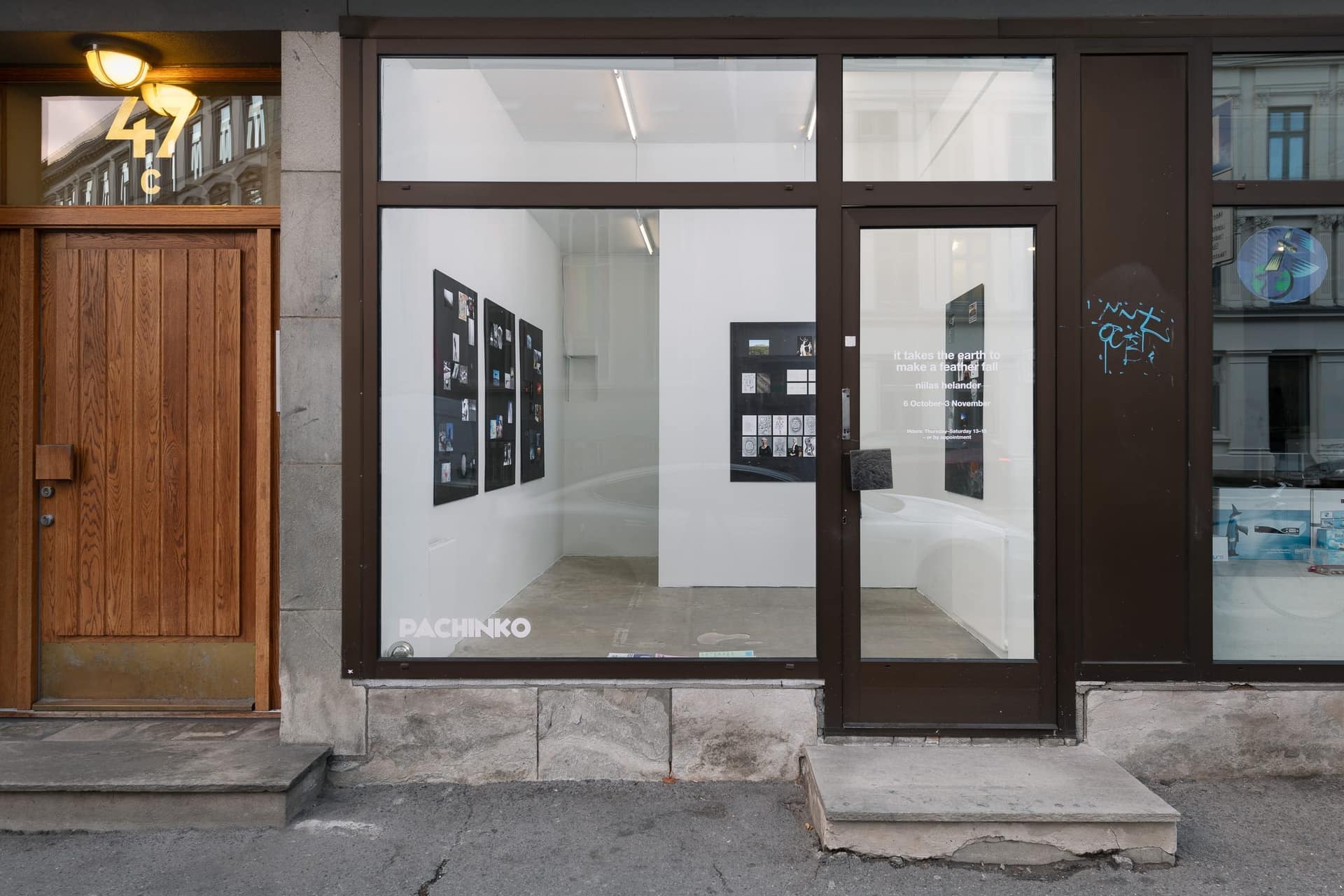
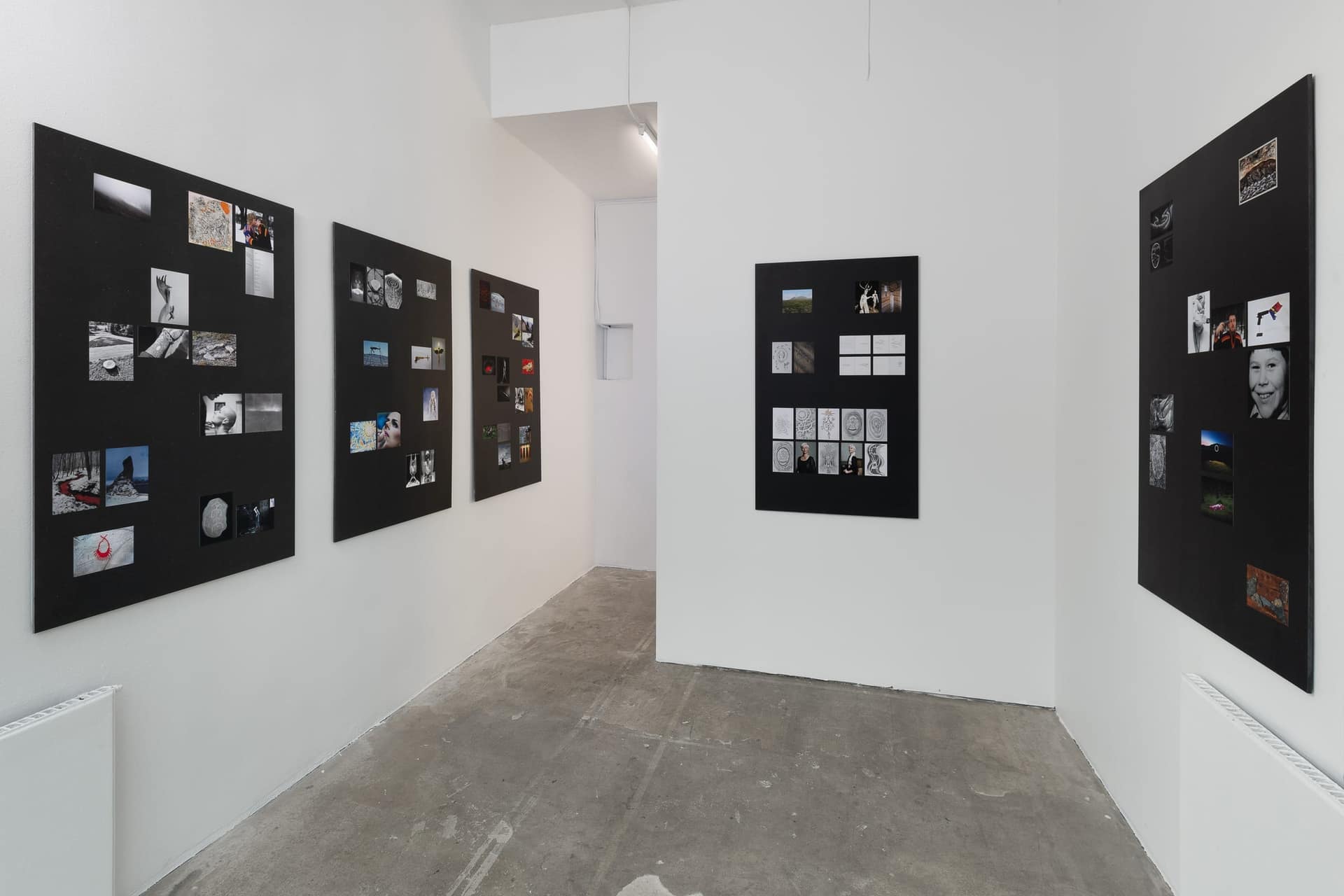
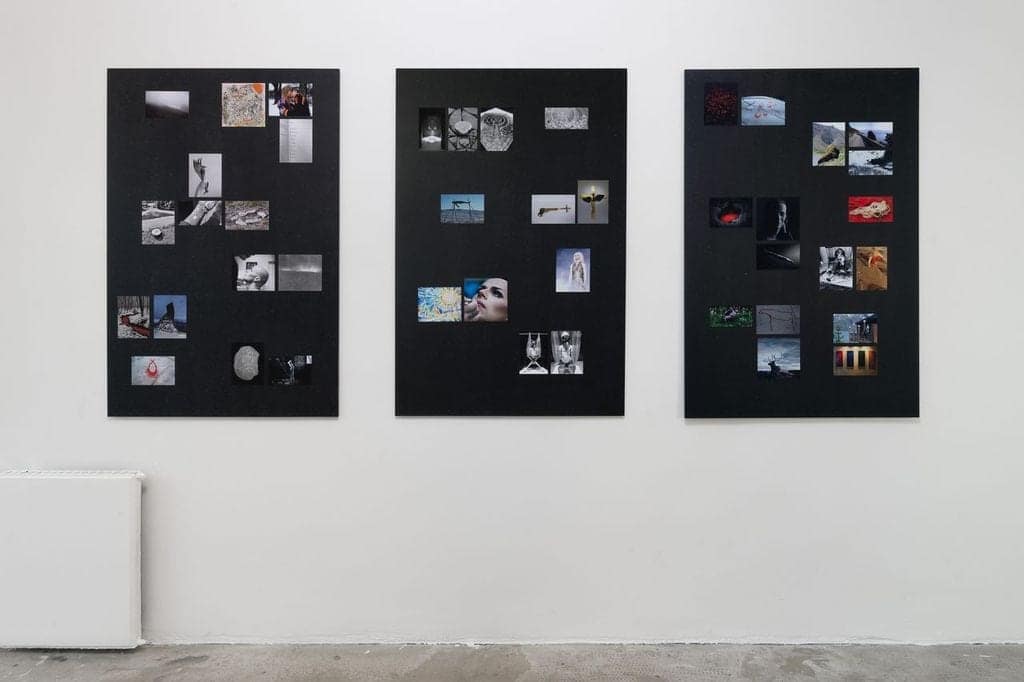
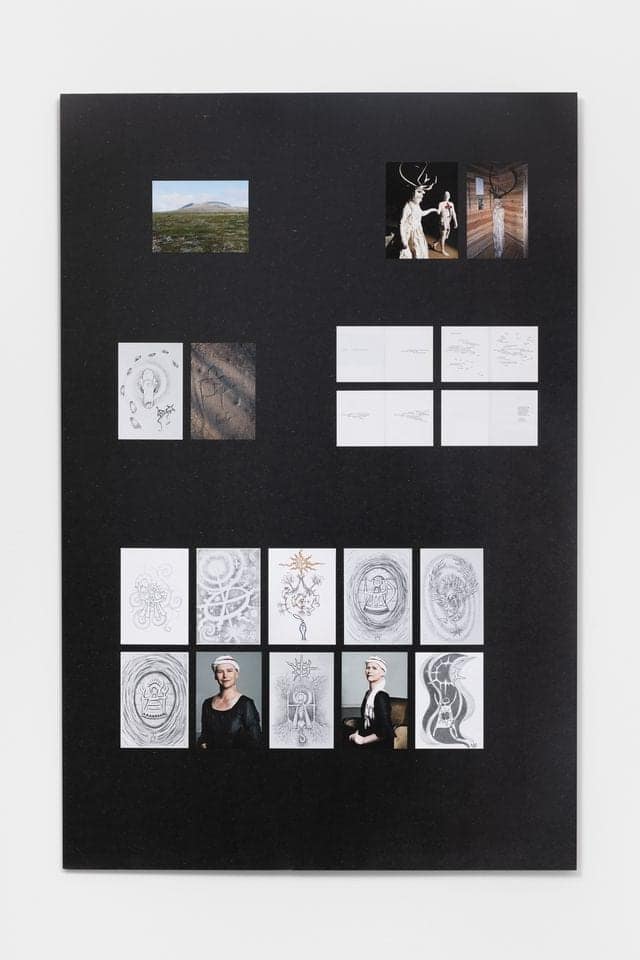
Pachinko is pleased to present it takes the earth to make a feather fall, an exhibition composed by niilas helander.
“Where does queer Sámi art begin, and with which actors? I am, of course, not only referring to humans; non-human cultures also play a role in many Sámi people’s lives and understanding of the world. What art is, who has made it, and for what purpose becomes something quite different within such a framework compared to what the classical Western art historical tradition can offer. As the poet Anna Mendelssohn once wrote in a poem: “Framing is a sociopolitical act.” I will therefore take a different methodology as my starting point when I put together a chapter on queer Sámi art for this exhibition.
Nils-Aslak Valkepää (or Áillohaš, as he was also known), Arnhild Haagensen, Gjert Rognli, and Ingrid Frivold are the individuals who drew me to the work for this exhibition. Their works — sculptures, photographs, music, the sound of drums, words, and the sound of words, tattoos and shamanism, stones that can fly, northern lights, tradition, renewal, and queer Sámi bodies — are all elements that, in addition to sacred mountains and stones, take up space in this small museum exhibition of 6 square meters. From the art they have created, I have spun new ideas about gravity, spirituality, elegance, falling, cosmic movement, gift culture, identity, and responsibility. Humanity is only one part of the universe and must therefore not be placed at its center. I believe this latter point is a common thread running through all these artistic practices, where the willingness to explore that which is greater than humanity stands out as a central force.
Sacred mountains, stones, and places have taught us much about what happens when one breaks the contract between humans and nature — the contract you signed when you were born. We have relatives in the animal and plant kingdoms and belong to a web of relationships that extends far beyond the individual. It is not only humans who can create meaning. Non-human life forms also engage in aesthetic and ethical pleasures. Or, to put it another way: What makes you believe that only humans can organize life according to their own needs? Here we must listen to the phonetics of proximity, to that which brings us closer to the earth and to one another.
- niilas”
The exhibition is be accompanied by the publication over kart vi fortsatt ikke har funnet opp with poems by niilas helander. niilas helander is a poet, artist and Sámi nomad from Álletnjárga. He lives and works in
Athens, Greece.
|
| 2024 | 24 August – 22 September | Exhibition | Sofie Amalie Andersen & Thyra Dragseth | Marbles | Publication (text by Maíra Botelho)↗︎ |
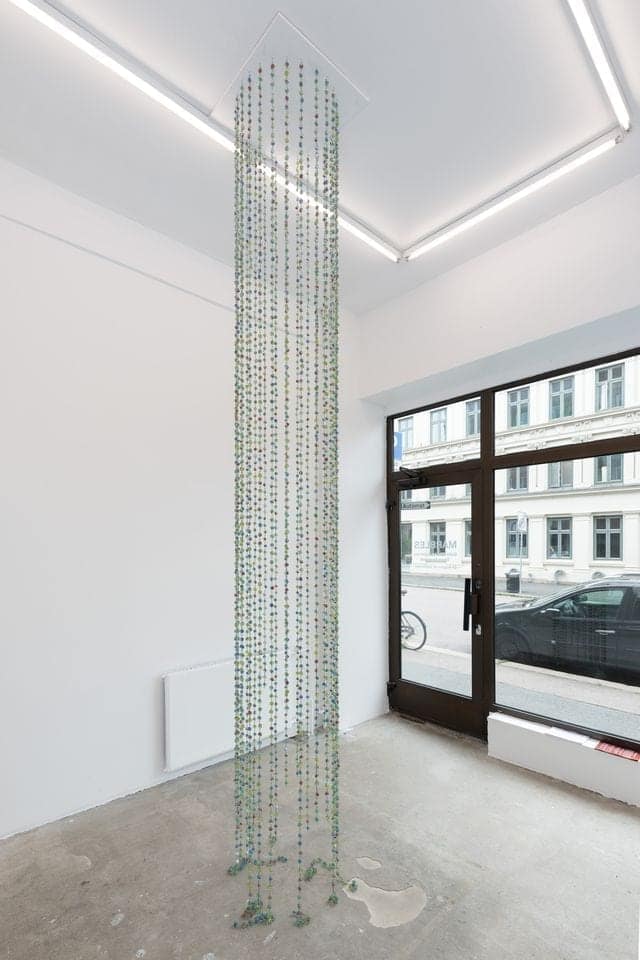
Pachinko is very pleased to present Marbles, an exhibition by Sofie Amalie Andersen and Thyra Dragseth. Domestic, dream-like, unnerving, Dragseth and Andersen’s work considers the unstable mirroring effect of relationship conflicts.
“I am my own fever.”
Hélène Cixous, The Laugh of the Medusa
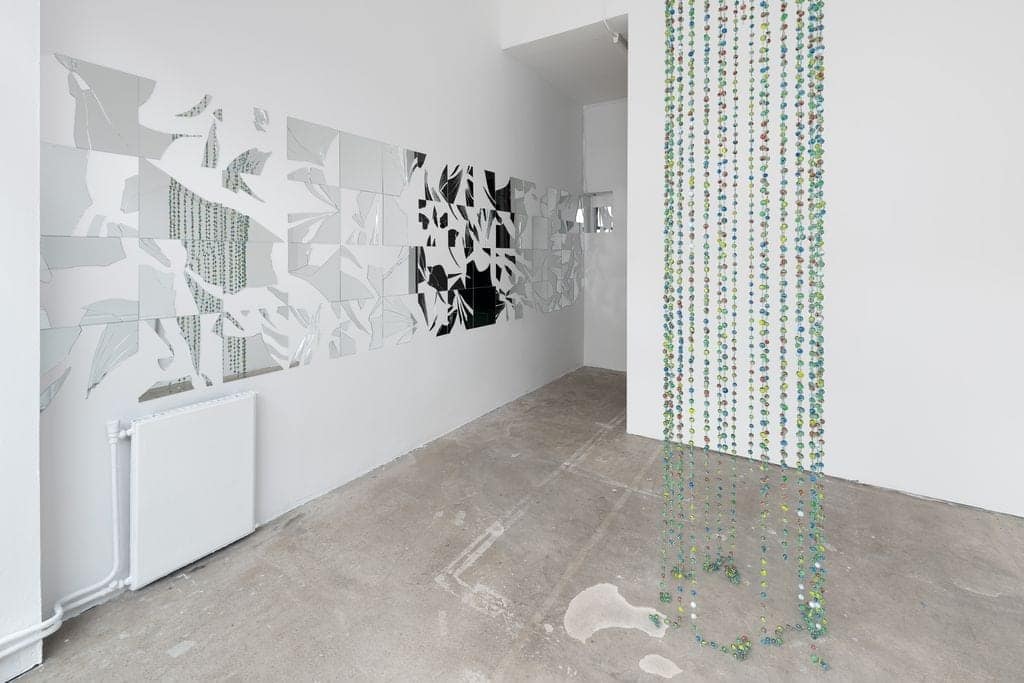
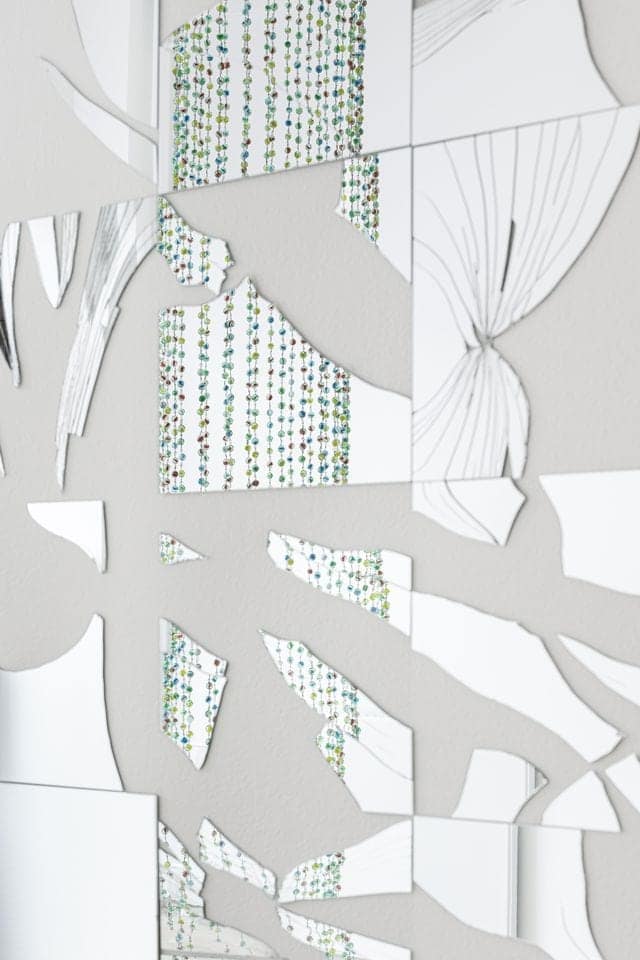
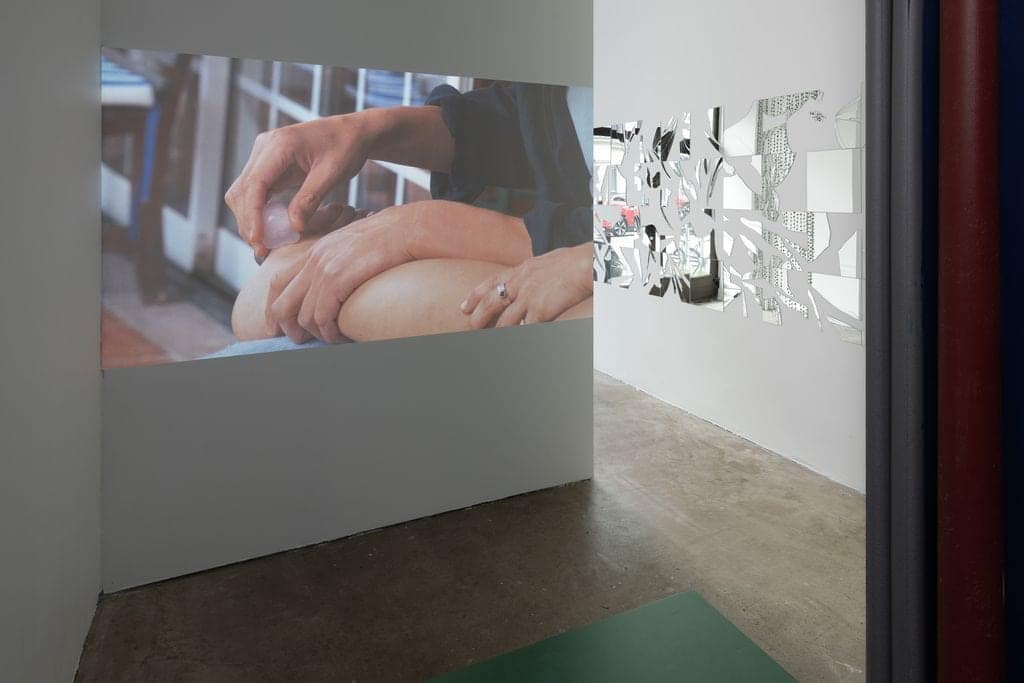
Marbles is a transgeneric love story about conflict and relationship dynamics, refraction and fragmentation. The exhibition consists of a series of sculptural interventions and a film, presented in four chapters with an asynchronous soundtrack. Set within a domestic, yet alienating space, the film gradually turns into a hall of broken mirrors as the two protagonists (assumed lovers) unwillingly play out a dialectical game of recognition and estrangement. They may want the same, feel the same, but contradiction has become the only possible movement as the identity of each is a reduction to a mirrored singularity, a totality, therefore, a stopping of movement.
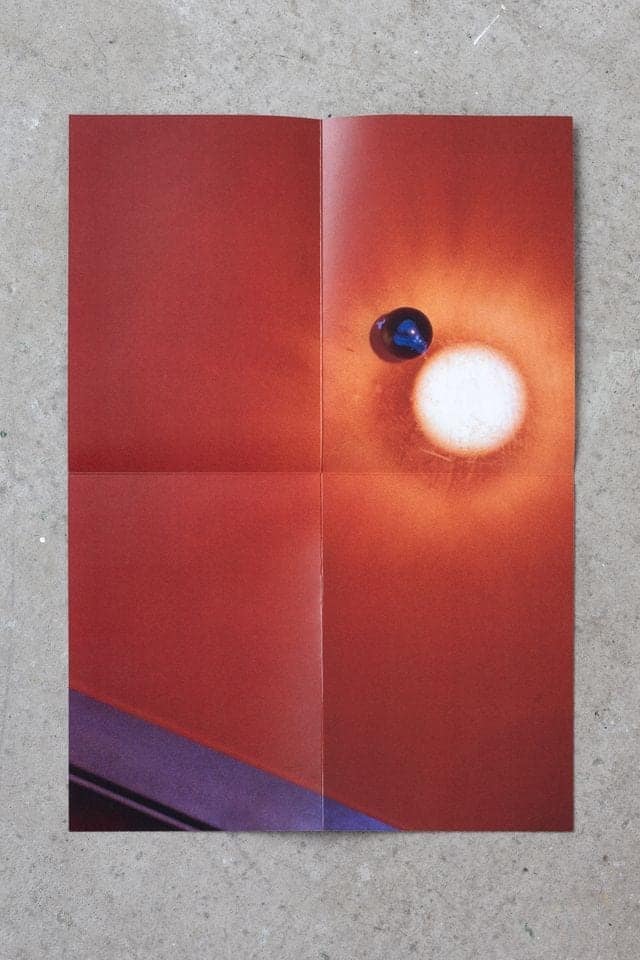
The title of the show, Marbles, refers to both the combative and psychological aspects of relationship conflicts: playing with and potentially losing one’s marbles, serving heartbreaking oneliners towards that other person for all the marbles worth. In the exhibition, such marbles are hanging as a curtain that at the same time reveals and disguises what is at stake, while the fragmented desires and fears of the protagonists continually play each other off the board. Meanwhile, the changing perspectives – the mirror effect – removes any chances of reconciliation and leaves the scene unsettled and fractured.
Marbles is a continuation of an exhibition of the same title shown at Ostra, Lisbon, in July 2024.
The artists would like to thank:
Celine Engebrigtsen, James Newitt, Pedro Rocha, Rita Duarte, Paul Tracey, Maíra Botelho and Marco Antão. Sofie Amalie Andersen (1989) is a Danish visual artist. She is educated from the Malmö Art Academy (MFA 2021) and Oslo Art Academy (BFA 2018) and in 2022 she participated in the Maumaus International Study program in Lisbon. Andersen works with a broad range of materials and mediums – from sculpture and installation to text, printed matter and film. Her composite and contrasting works reflect her own dubious questions regarding reality. Often merging traditional artistic techniques with industrial DIY aesthetics, she seeks to provoke an increased awareness of those interlaced material, emotional and linguistic structures that surround us. In her work she stresses moments of fragility, tension and ambiguity, which, in her view, are key concepts of life itself. Sofie Amalie Andersen is also director of the exhibition space SOL in Nexø (DK), from where she has been curating and organising exhibitions for a number of international artists since 2019.
Thyra Dragseth (1993) is a Norwegian visual artist. She lives and works between Lisbon and Oslo from where she is currently attending the MFA program at the National Academy of the Arts. Dragseth works multidisciplinary with photography, film, text, and installation. Her works often arise from her own lived experiences and perception, becoming pieces of translated reality. In this sense, Dragseth's work relates to the ethical landscape of artistic methodology — how to handle other people's perspectives and shared memories. She often collaborates with both colleagues and non-artists, implementing collaboration itself as a method for further reflection in her practice.
|
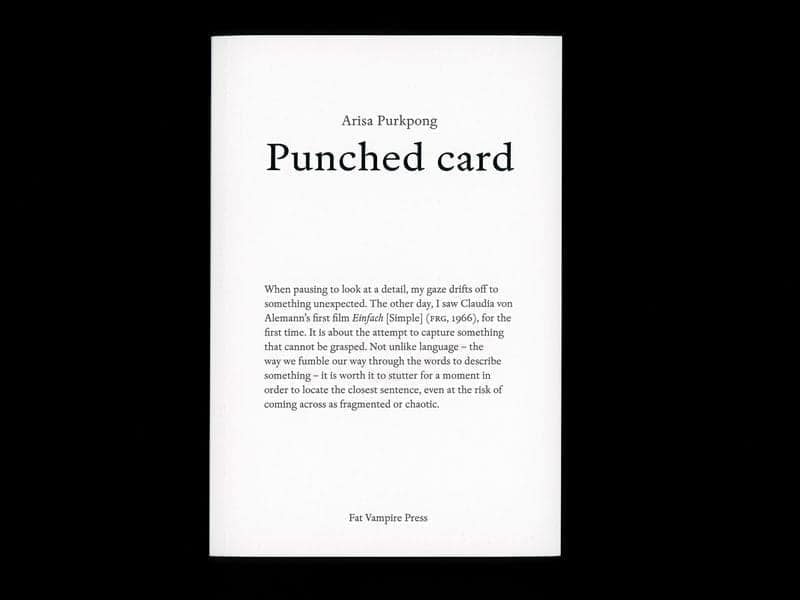
| 2024 | 22 August | Launch | Arisa Purkpong, Claudia von Alemann, Anna R. Winder, Fiona Berg, Jana Buch | Punched Card (Book launch and screening) | Fat Vampire Press↗︎ |
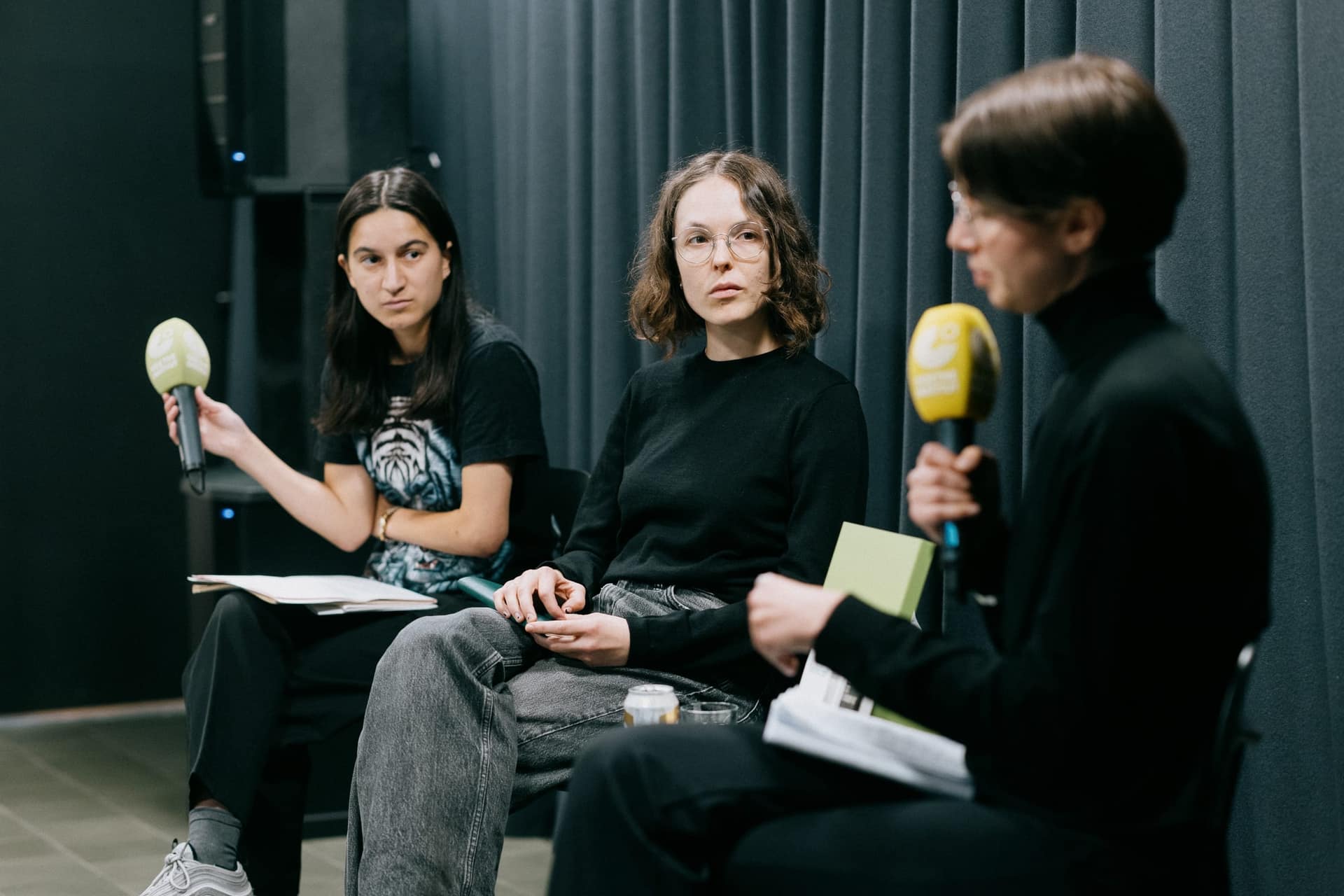
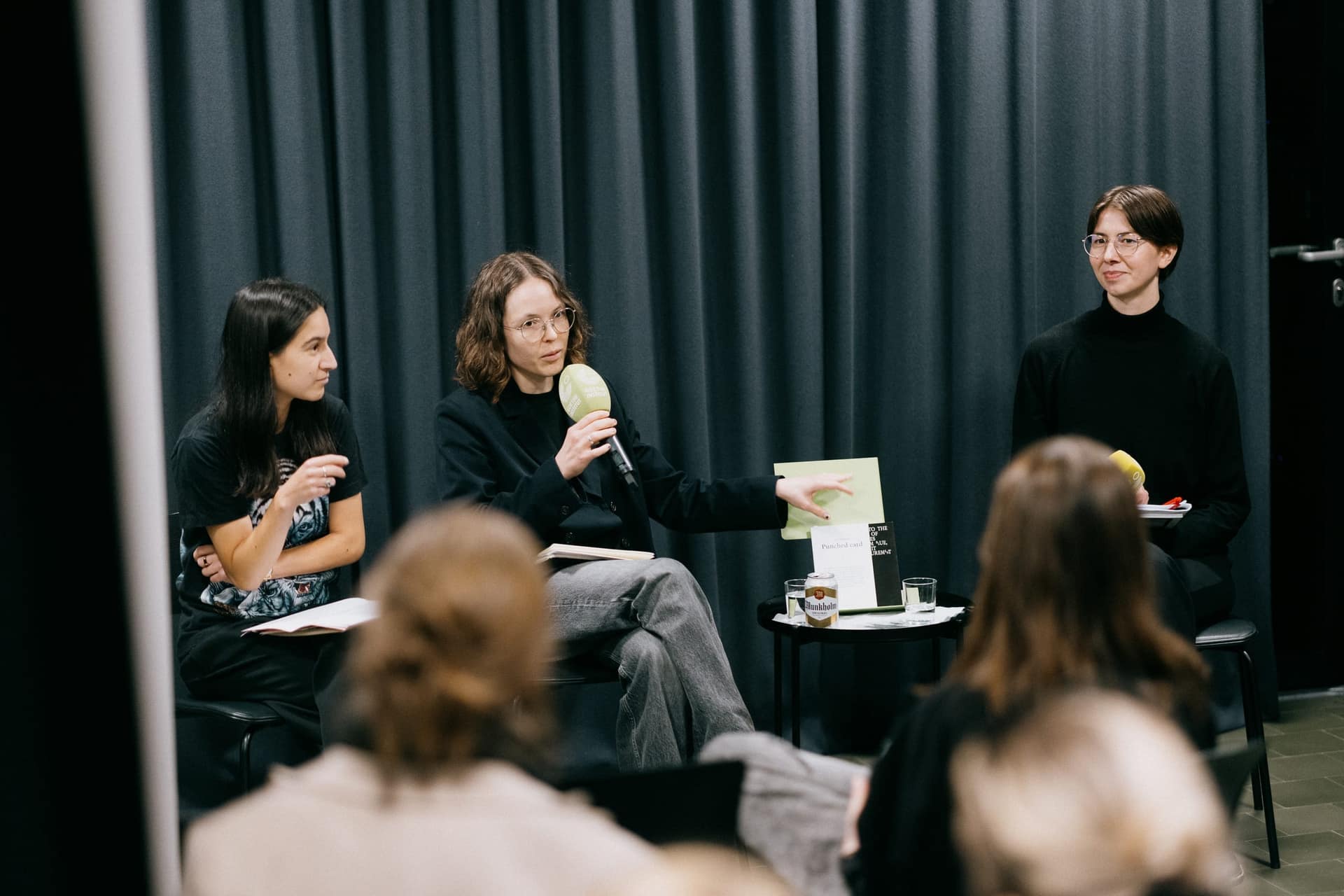
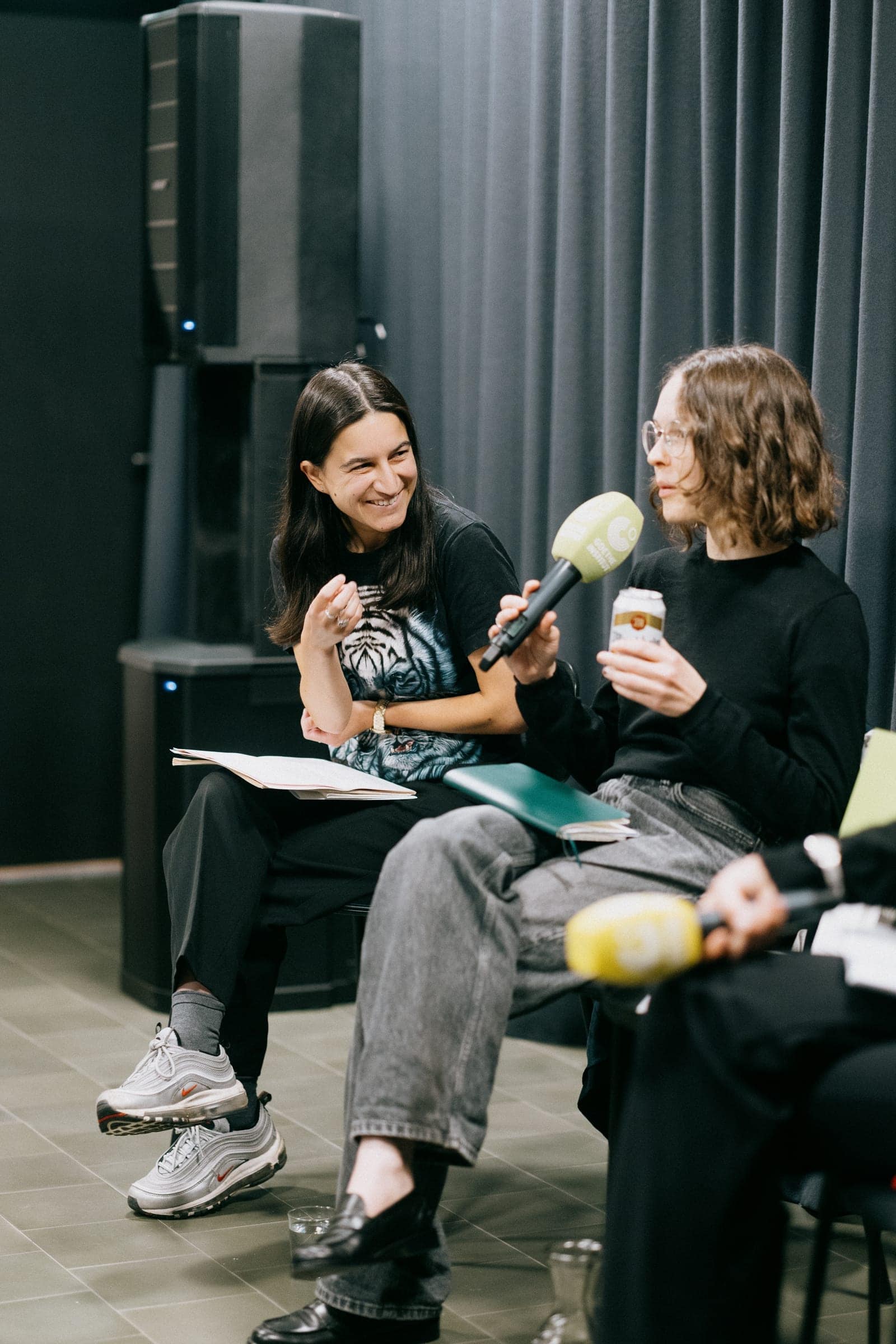
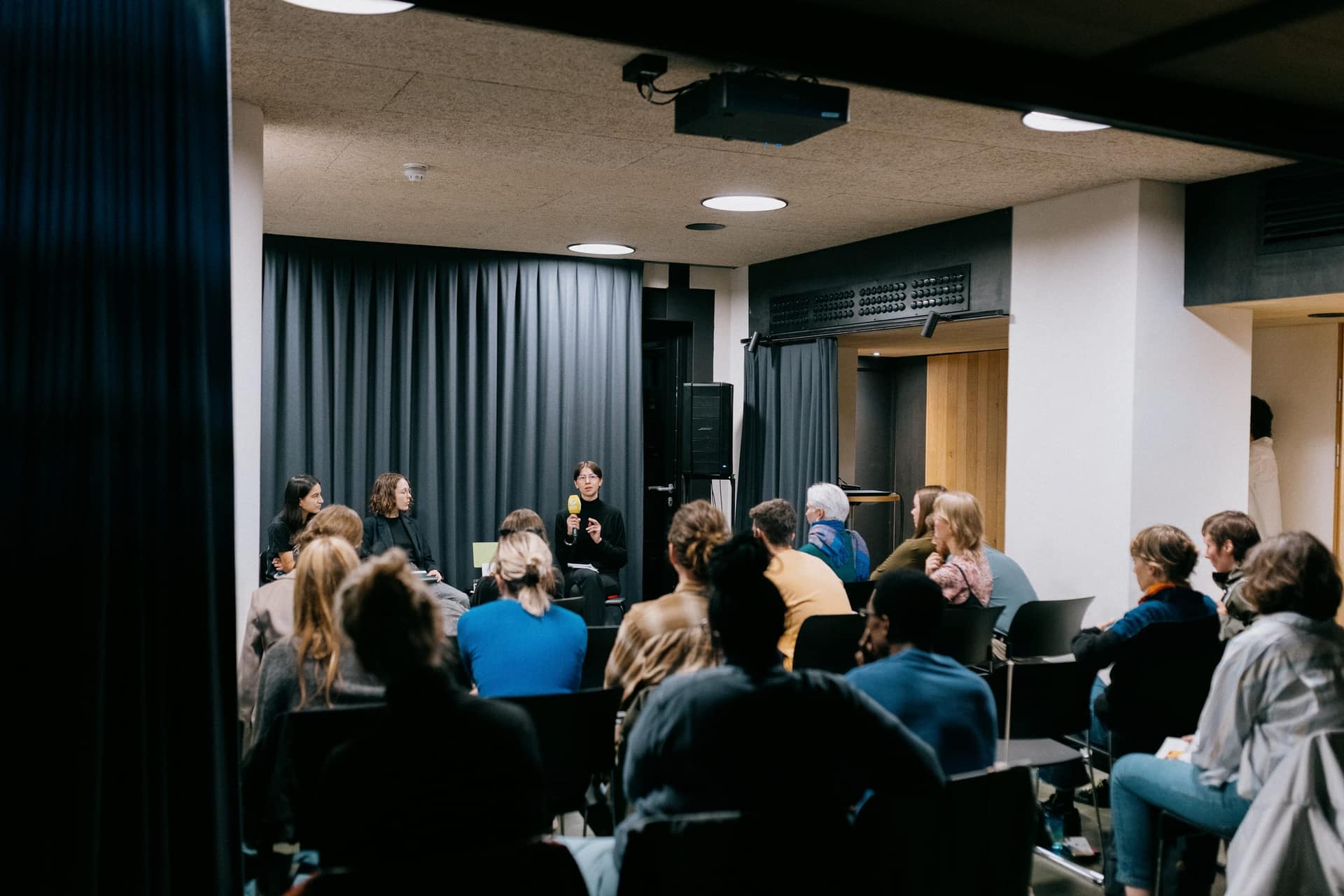
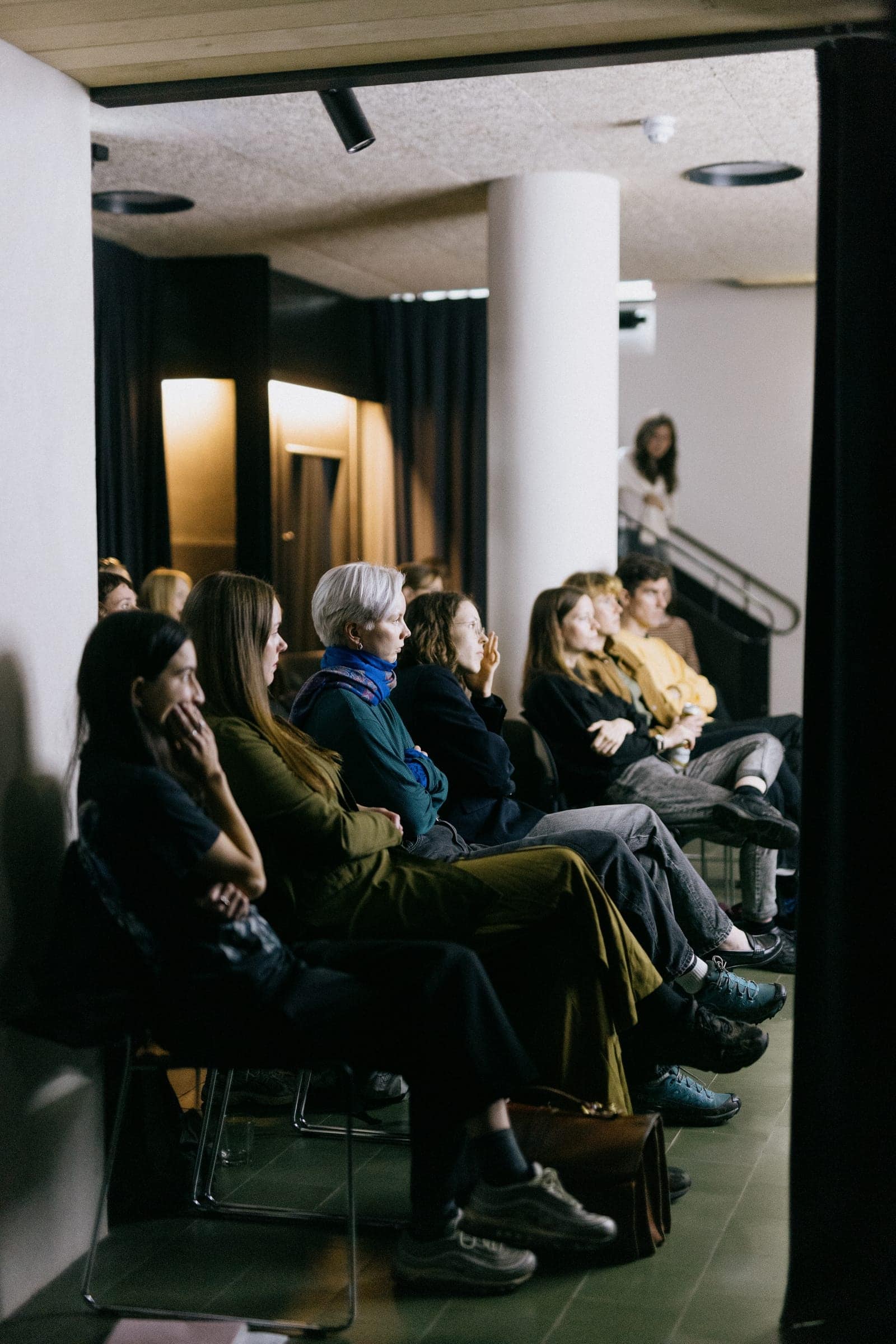
Arisa Purkpong, Claudia von Alemann, Anna R. Winder, Fiona Berg, Jana Buch 22 August 2024 Pachinko, in collaboration with Goethe-Institut Norwegen, is pleased to invite you to the launch event for Arisa Purkpong’s publication Punched Card, published by Fat Vampire Press, Berlin. The event will take place on 22 August and will include a book presentation, a film screening, and a discussion between artist Arisa Purkpong, filmmaker Claudia von Alemann, and publisher Anna R. Winder.
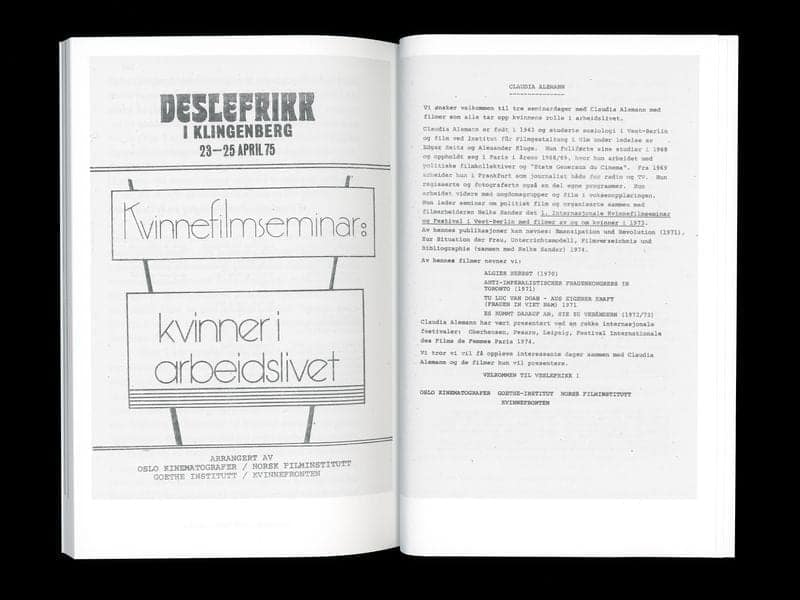
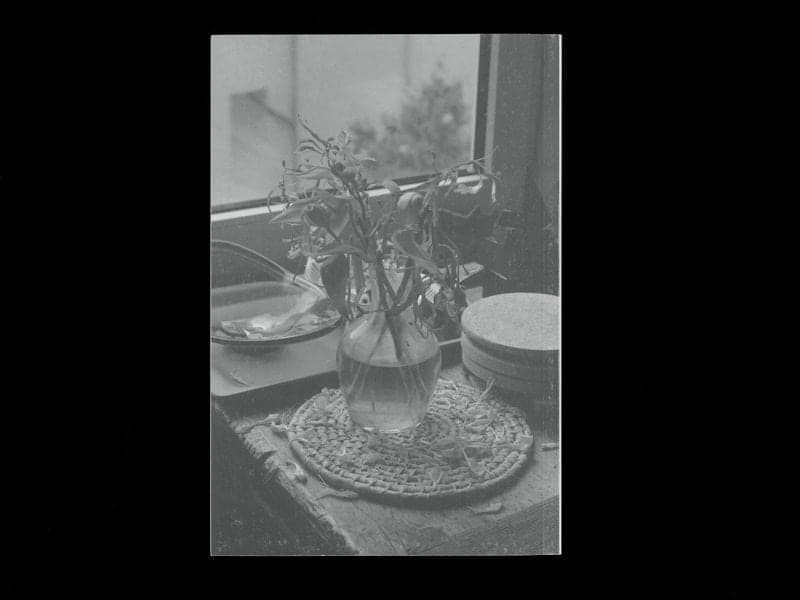
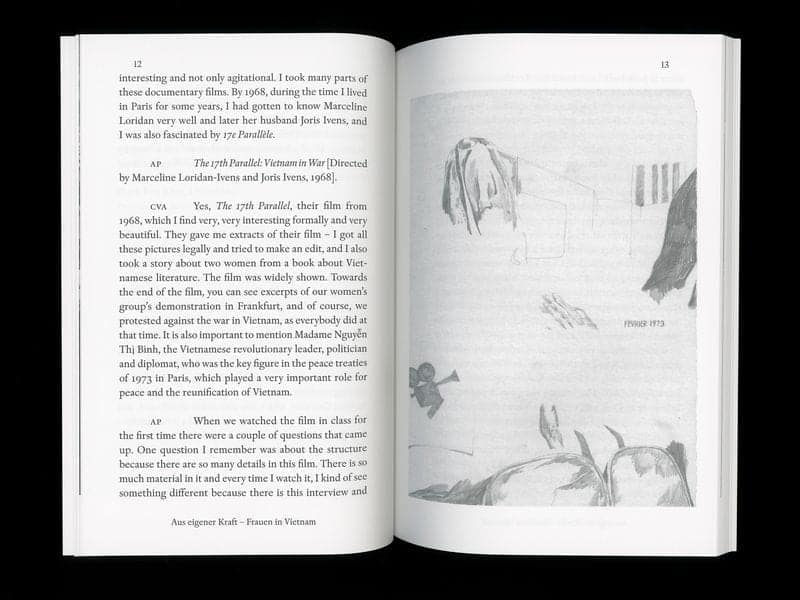
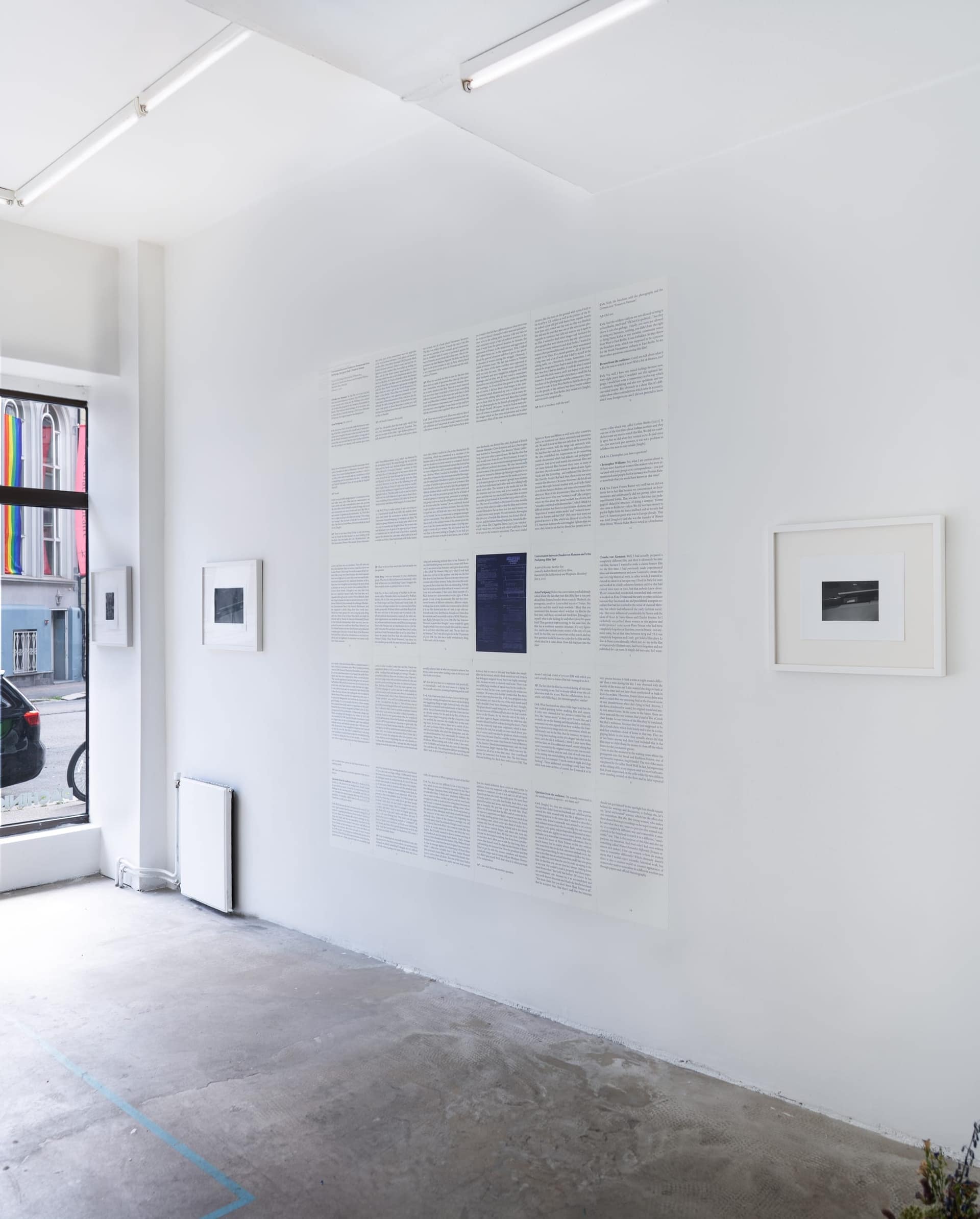
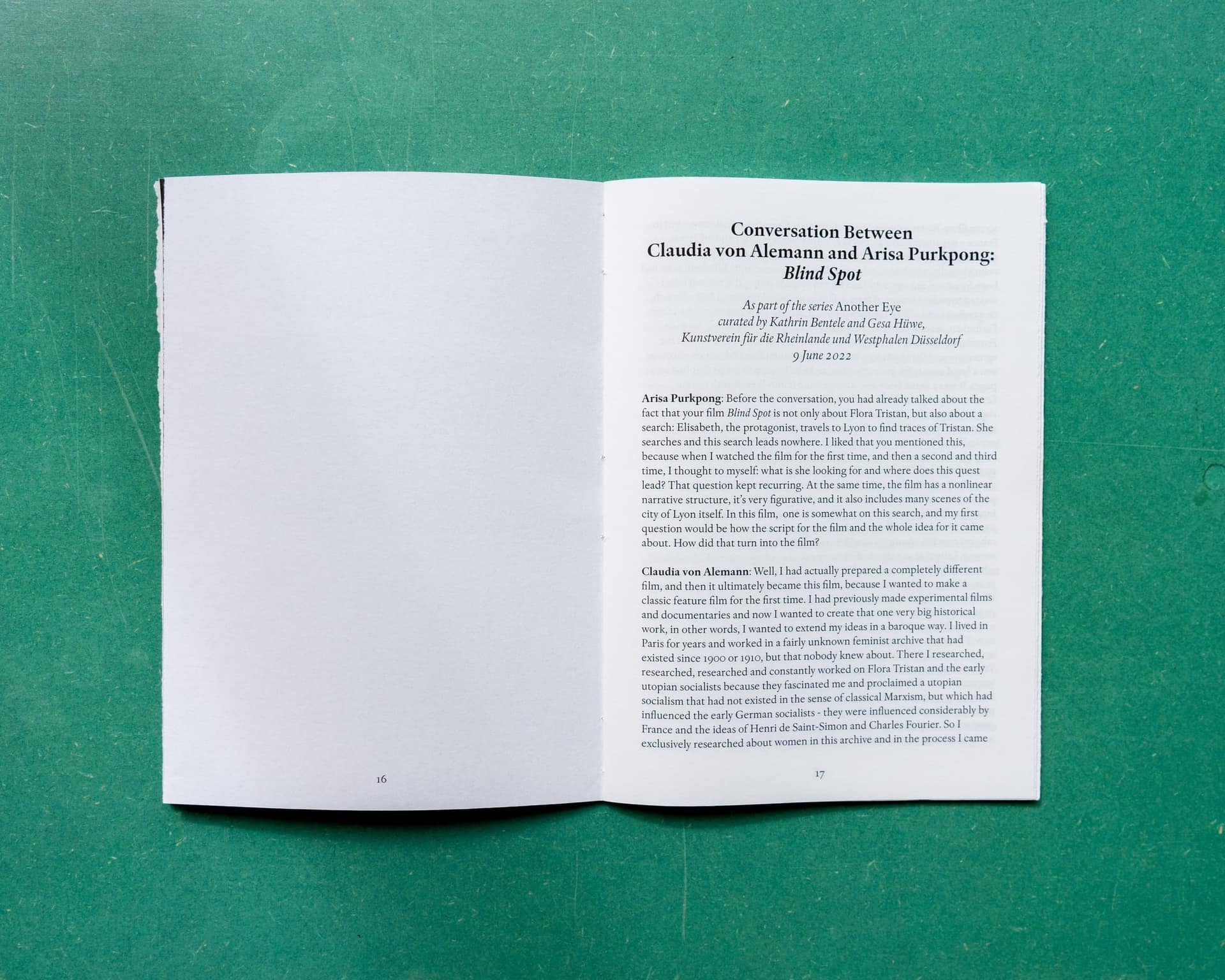
The publication Punched Card is based on two interviews conducted by Purkpong with feminist filmmaker and activist Claudia von Alemann in Düsseldorf in 2020 and 2022. It also includes a poem by artist and writer Jana Buch (DE) and a text by film scholar and research librarian Ingrid S. Holtar (NO), as well as drawings and photographs by Purkpong. The book is a result of the exhibition of the same title at Pachinko in July 2023 and is designed by Studio Thomas Spallek.
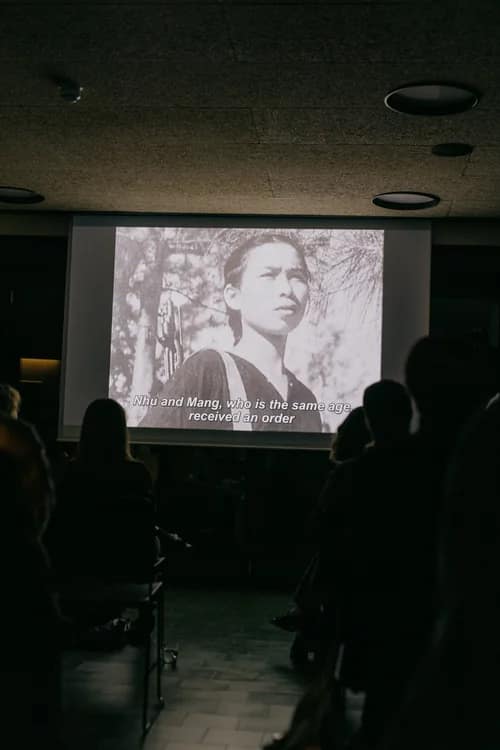
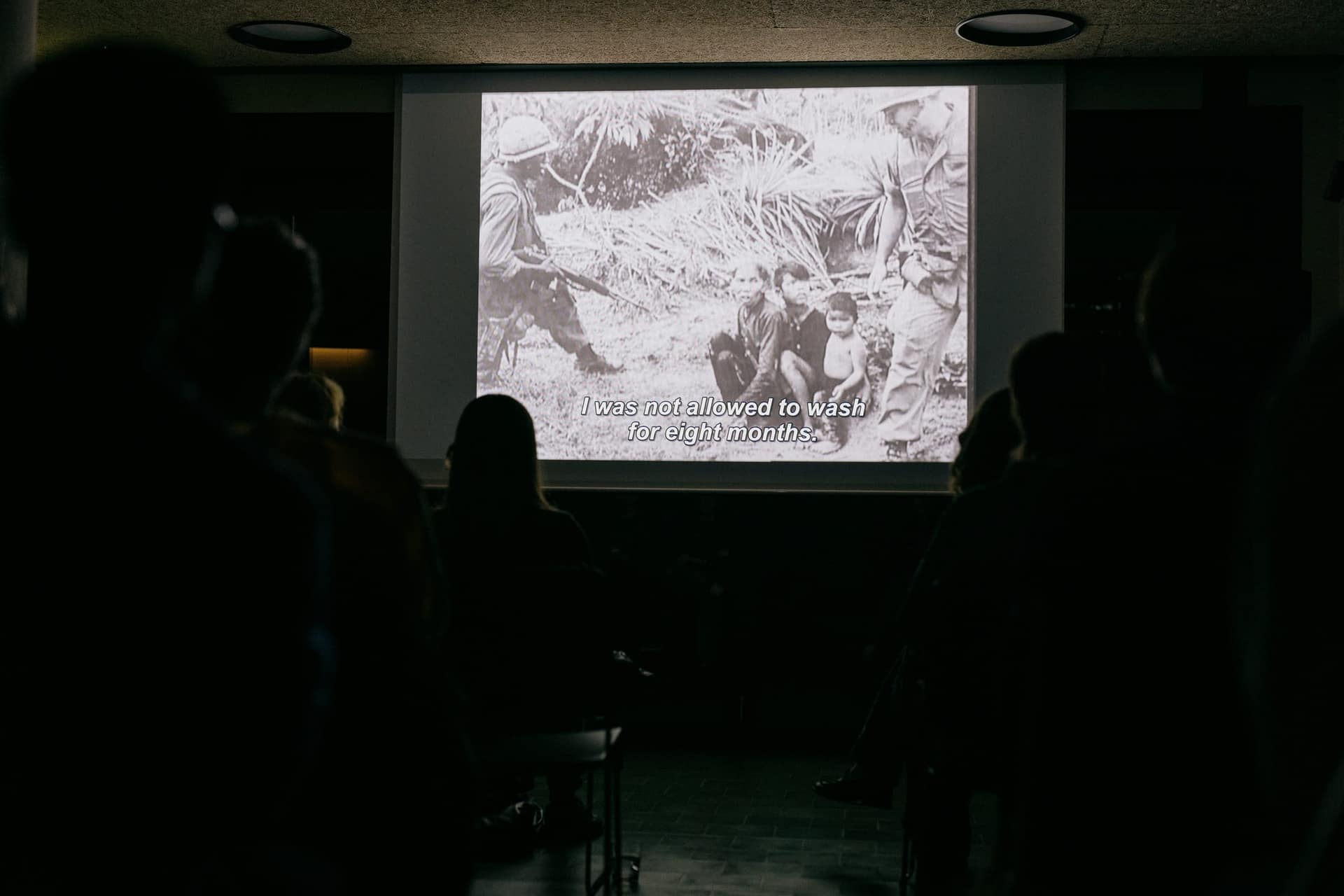
In 1975, filmmaker Claudia von Alemann was invited by the Goethe-Institut Norwegen to hold film screenings in Bergen and Oslo. Drawing on this historical connection and its significance to the publication, this event will present a screening of two of von Alemann’s films:* …es kommt drauf an, sie zu verändern* (…the point is to change it, 1972) and Aus eigener Kraft – Frauen in Vietnam (1971).
The screening will be followed by an in-person film discussion between Claudia von Alemann, Arisa Purkpong and Anna R. Winder. The panel will discuss the films and their relation to the publication, as well as the connection between the feminist film movements in Germany and Norway.
About the films
* * * The screening contains depiction and description of violence and torture * * *
Aus eigener Kraft – Frauen in Vietnam
Claudia von Alemann / 1971 / Germany / 21’ / German, french / SUBS EN
…es kommt drauf an, sie zu verändern (…the point is to change it)
Claudia von Alemann / 1972 / Germany / 53’ / German / SUBS EN Arisa Purkpong (b. 1995) is a visual artist and film programmer.
In their practice, they work with video, photography, graphics, and text, which they collage into films, installations, and publications. By juxtaposing personal memories with cultural memories, they critically examine hegemonic narrative forms. In their programming, they highlight marginalised voices to create spaces for international and intergenerational exchange.
Purkpong has exhibited at Trafo Kunsthall (NO, 2023), Sammlung Philara (DE, 2021/22), and organized screenings in collaboration with feminist elsewheres collective at the Academy of Fine Arts Hamburg (DE, 2025), Maysles Documentary Center (US, 2025), and Arsenal, Institut für Film- und Videokunst (DE, 2023 and upcoming), among others.
|
| 2024 | 20 June – 10 August | Exhibition | Anna Sofie Mathiasen | Nursery | |
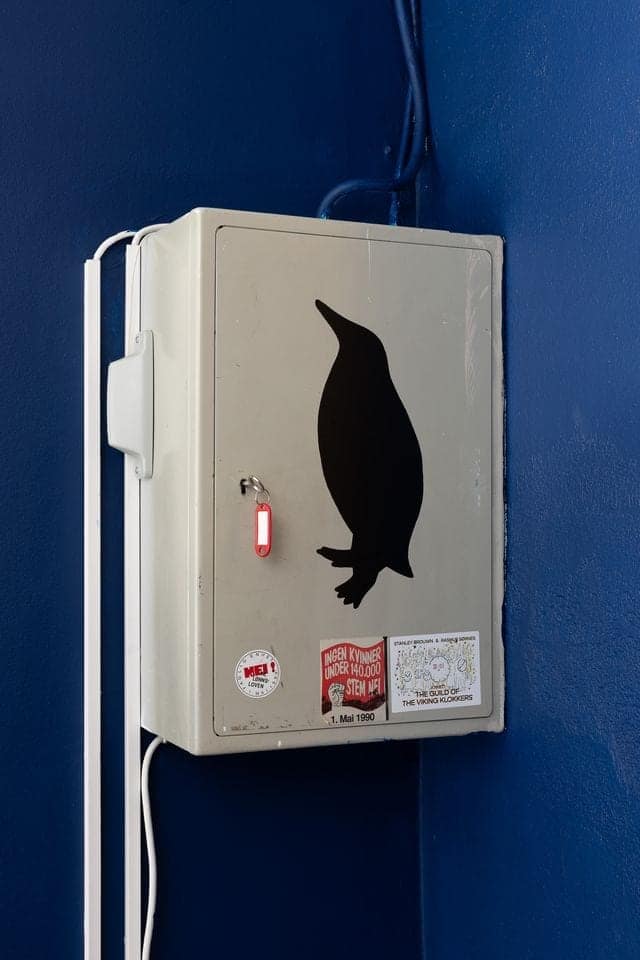
Anna Sofie Mathiasen 20 June – 10 August 2024 Pachinko is pleased to present a new exhibition by Danish artist Anna Sofie Mathiasen. This exhibition marks a continuation of Mathiasen’s ongoing exploration of the relationship between the physical environment and mental well-being, with a focus on a particular story from Dikemark psychiatric hospital (Asker, NO) about penguins.
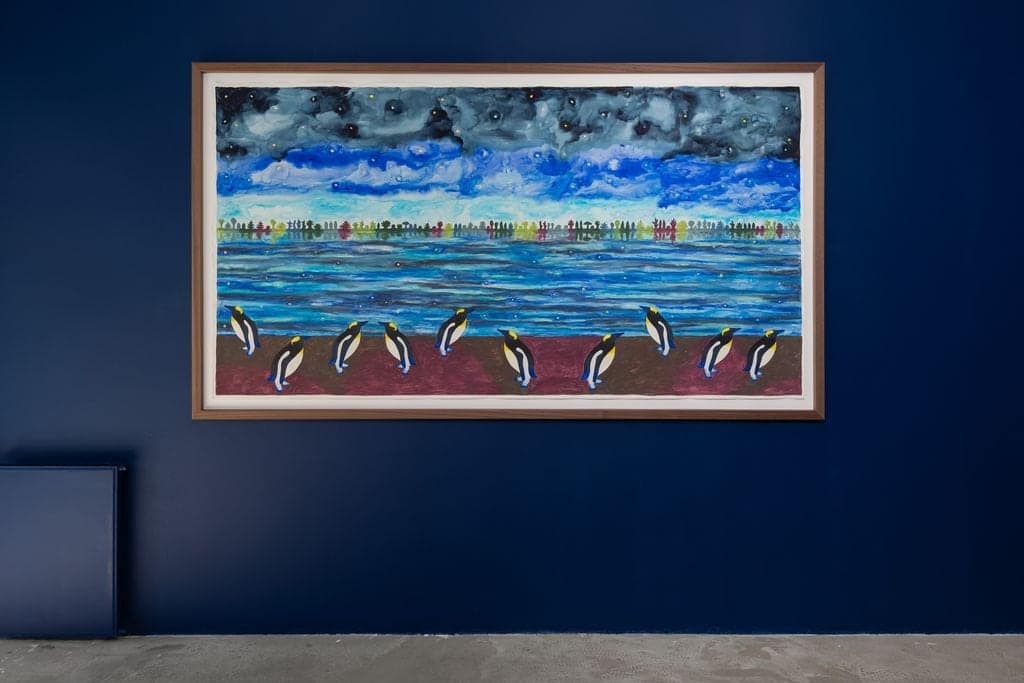
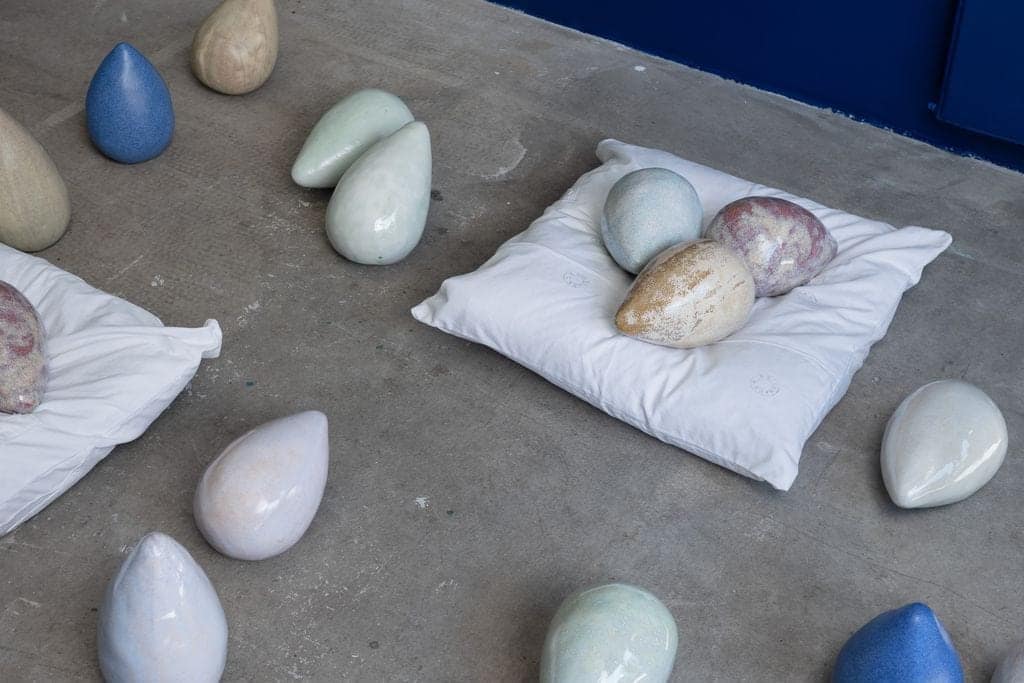
In the 1930s, a psychiatrist attempted to cheer up patients by introducing penguins. However, the animals unfortunately did not survive the conditions. Dominating the exhibition is a large-scale watercolor drawing, spanning two meters in length, depicting a waddle of young penguins by the lake Verkensvannet at Dikemark. Accompanying the drawing are a series of ceramic penguin eggs, resting on pillows sewn from original textiles from the psychiatric hospital.
Mathiasen’s work draws inspiration from nesting, care and vulnerability, all themes central to the idea of a nursury. Eggs with their heavy symbolism and their potential of hatching or breaking are very present in this chapter of the exhibition, hinting at the absurdities and contradictions inherent in the relationship between mental health and the physical environment. The penguin motif, recurring in Mathiasen’s practice, serves as a symbol of vulnerability and resilience in the face of challenging circumstances.
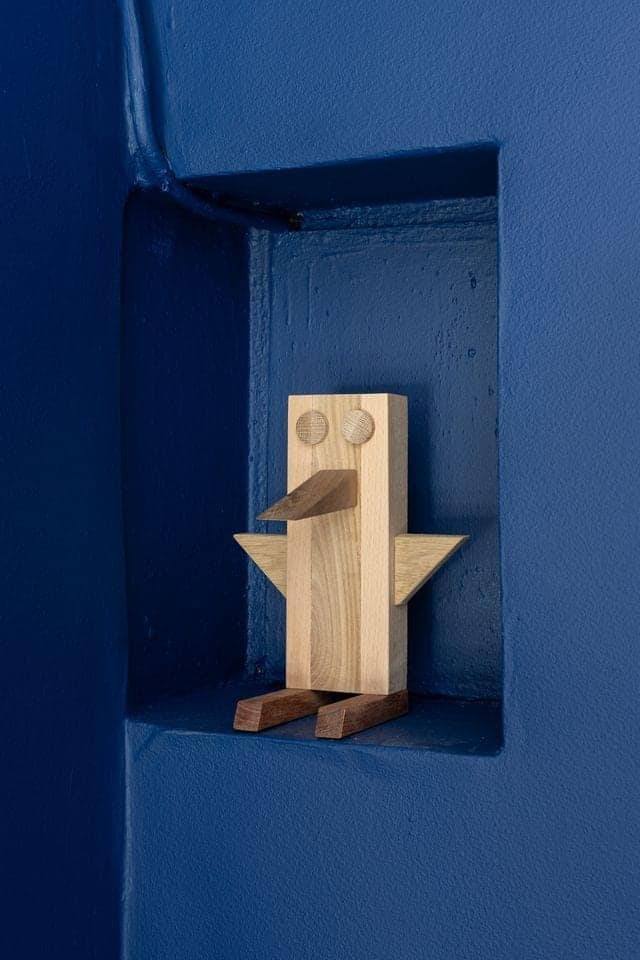
This exhibition follows her solo show Folly in 2023 at O-Overgaden, Copenhagen. The artist’s own efforts to manage her mental health, in combination with the absurd history of the Dikemark penguins, prompted the artist to revisit a childhood pastime of building DIY wooden penguins with her dad. These figures now populate the sister exhibition at Nitja senter for samtidskunst (15 June–11 August 2024), while the nursery has found its way to Pachinko. Read together, the elements embody the paradoxical relationship of psychiatry and environment, where both the untamed nature and the meticulously artificial can contribute to a cyclical journey of healing.
The exhibition is generously supported by: The City of Oslo, Art Council Norway, Fond for Lyd og Bilde, Blix Fonden, Billedkunstnernes Vederlagsfond, Statens Værksteder for Kunst. Anna Sofie Mathiasen (b. 1995, DK) graduated from the Academy of Fine Arts in Oslo in 2020. Her work has been exhibited at Kunstnernes Hus, Galleri K and Kunsthall Oslo, all in Oslo (NO); Guttormgaards arkiv, Blaker (NO); O-Overgaden and Sol (DK); and Valencian Institute of Modern Art (ES).
|
| 2024 | 18–24 May | Event | Speakers: Coco Fusco, Santiago Sierra, Pamela Karimi, Xiaoyu Weng, Bo Wang, Shumon Basar, Jason Babak Mohaghegh, Tania Bruguera, and Ghazel. | The Tehran Summit 2024: Chthonic Realism | |
Speakers: Coco Fusco, Santiago Sierra, Pamela Karimi, Xiaoyu Weng, Bo Wang, Shumon Basar, Jason Babak Mohaghegh, Tania Bruguera, and Ghazel. 18–24 May 2024 Pachinko and The Tehran Summit proudly announces the lineup for the third edition of the Tehran Summit themed “Chthonic Realism: Summoning Ghosts and Monsters.”
Departing from the concepts of horror, speculation, the unknown, and the future, the summit explores: What happens when contemporary artists summon the ghosts of antiquity or monsters beyond the boundaries of time and space? How can the past beckon us through the obscurity of the unknowable and towards a multitude of Futures? And how this may alter perceptions of reality?
Scheduled from May 18 to May 24, the audience is invited to a series of talks by distinguished practitioners exploring our concepts of reality and existence in the world, free from established relations and a world without us, a non-human world in opposition to an Anthropocentric one.
Curated by Erfan Ghiasi and Una Mathiesen Gjerde / In collaboration with Pachinko by Mathilde Carbel and Kristian Schrøder.
The Tehran Summit and Pachinko are inviting audiences from different fields of the arts and philosophy to register to access each talk digitally. For Oslo-based audiences, the program will also be screened live in Pachinko’s exhibition space. Across the span of a week, every night will feature a distinguished speaker delving into the intricacies of the theme.
Programme:
Coco Fusco: “Art and Democracy: Testing the Limits”May 18, 19:00-20:30 CEST
Santiago Sierra: May 19, 19:00-20:30 CEST
Pamela Karimi: “Gestural Feminism: On Art and Advocacy in Iran”
Postponed to June 7 due to a work emergency, 19:00-20:30 CEST
Xiaoyu Weng in conversation with Bo Wang: “An Asian Ghost Story”May 21, 19:00-20:30 CEST
Shumon Basar: “LORECORE TO ENDCORE AND BACK AGAIN”May 22, 19:00-20:30 CEST
Jason Babak Mohaghegh: “The Unlost: Resurrection of Forgotten Creatures”May 23, 19:00-20:30 CEST
Ghazel in conversation with Tania Bruguera: “Art for the Not Yet”May 24, 19:00-20:30 CEST 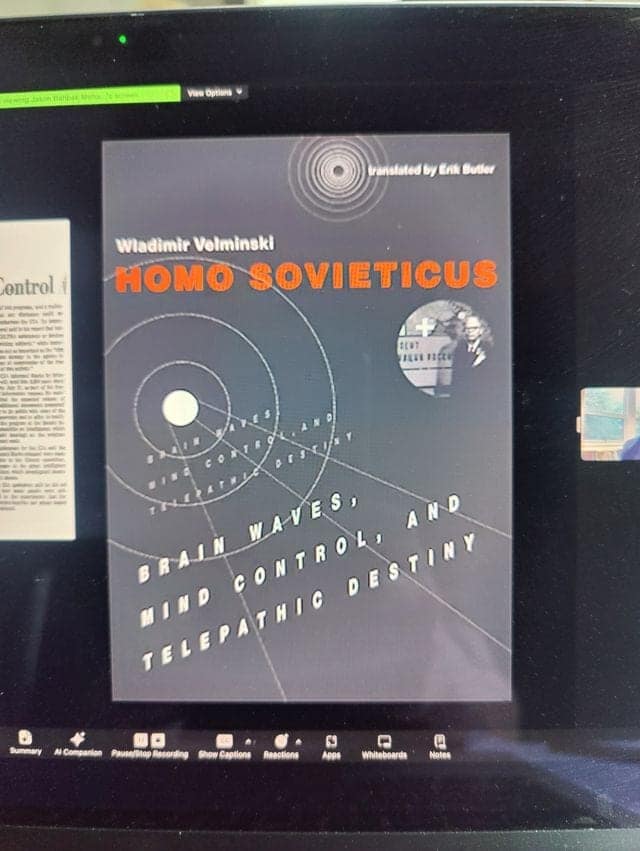 Photo: Pachinko |
| 2024 | 4 May – 1 June | Exhibition | Tris Vonna-Michell | Nudging and Spooling (at Vermilion Sands, Copenhagen) | Vermilion Sands↗︎ |
Tris Vonna-Michell 4 May – 1 June 2024 Organised in collaboration with Vermilion Sands, Copenhagen.
A shipment containing hundreds of boxes of materials, many of which contained works, often seemingly incomplete and undefined works, arrived at my studio. It was sent from England after discovering that my father had been producing artworks, unbeknown to me, for several decades. Boxes containing disparate works, his and others, documentations and disintegrations.
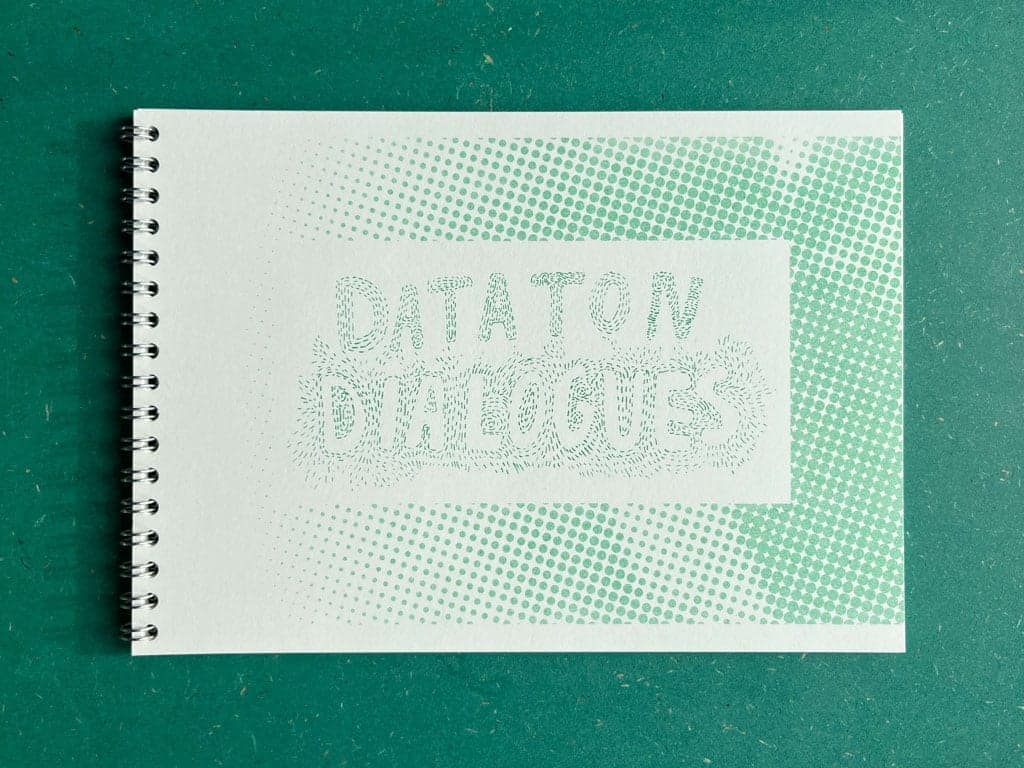
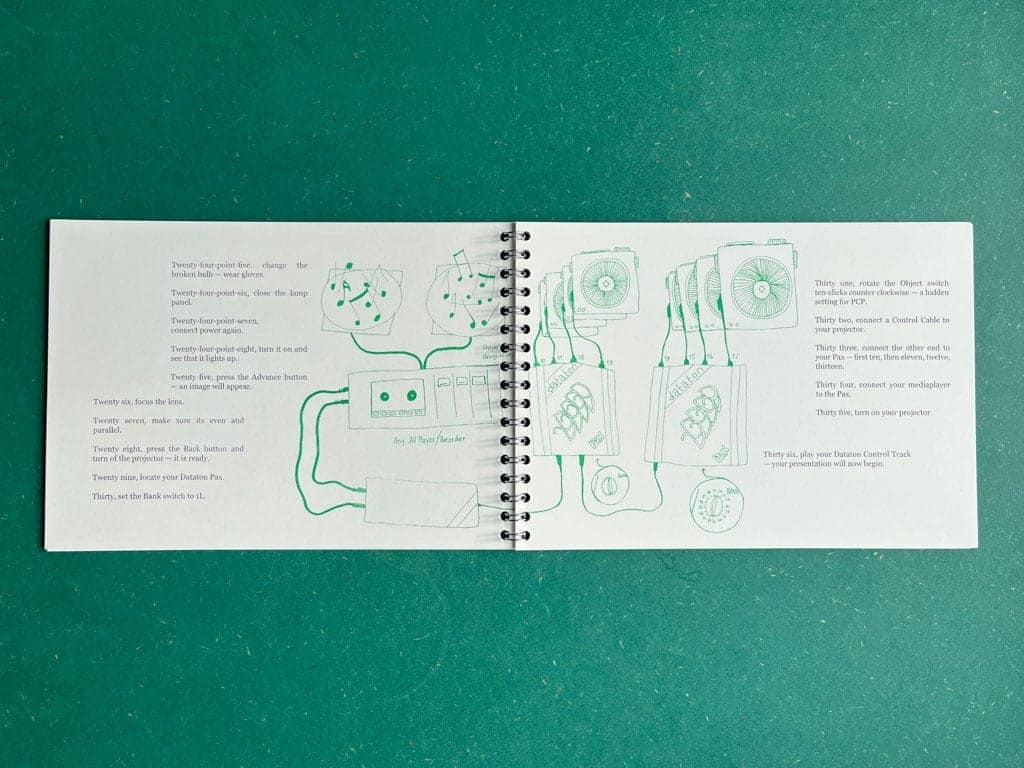
A new publication Dataton Dialogues (published by Mount Analogue, 2024) by Tris Vonna-Michell, Silje Iversen Kristiansen, Henrik Folleso Egeland and Anna Clawson will be launched at the opening.
This exhibition is kindly supported by:
Danish Arts Foundation, The City of Copenhagen, The City of Oslo Tris Vonna-Michell is an internationally renowned artist based in Oslo and Stockholm. Vonna-Michell’s work utilises a plethora of technical devices, modes of presentation and installational approaches, encompassing performance, audio recordings, slide projections, poetry, sound poetry, printed matter, photography and film.
|
| 2024 | 1–4 May | Art Fair | Damla Kilickiran, Lesia Vasylchenko, Goodiepal | Metallic Muses | |
Metallic Muses pointed to the future in a way particular to our political reality and future. Instead of predicting it, pointing to alternative models and modes of production and community in the creative field, through transnational experiences.
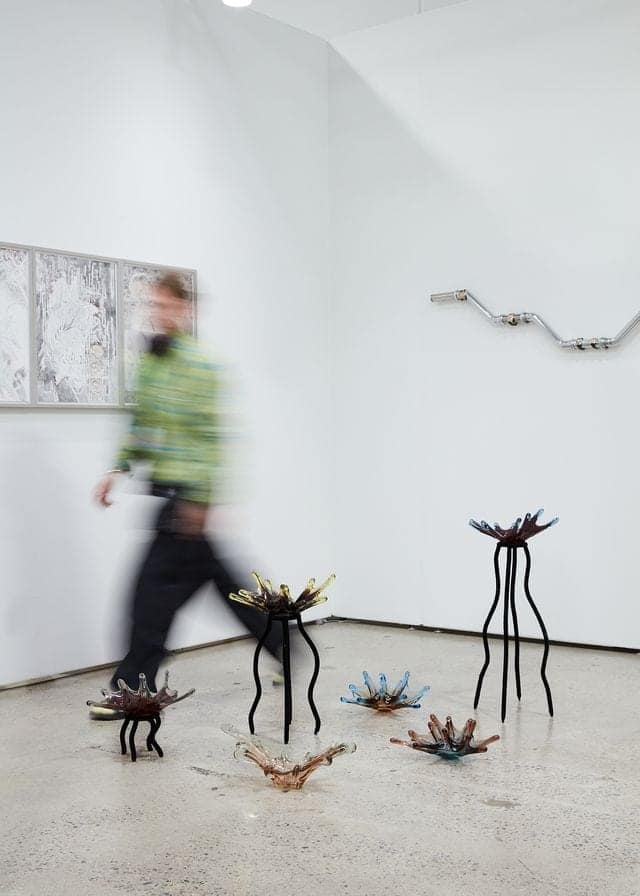
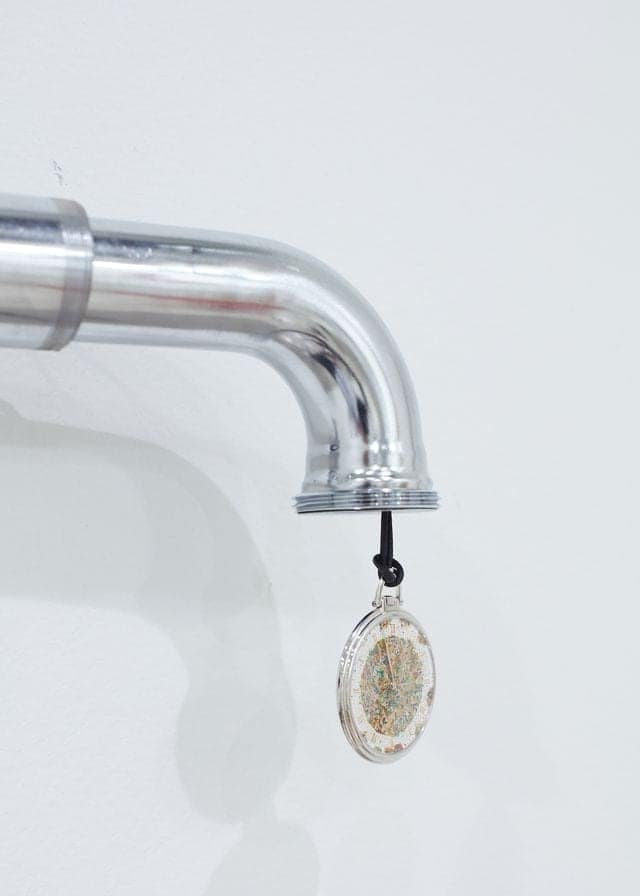
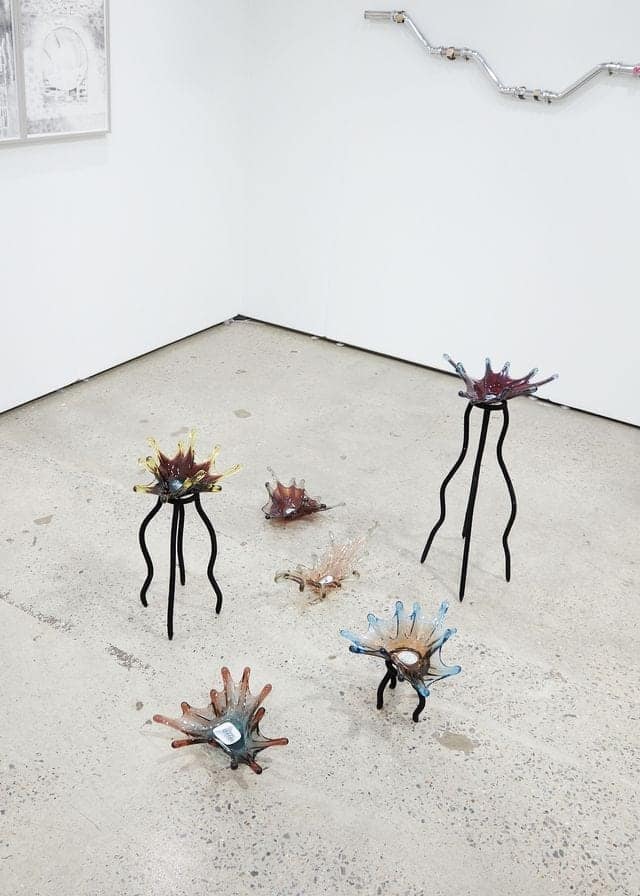
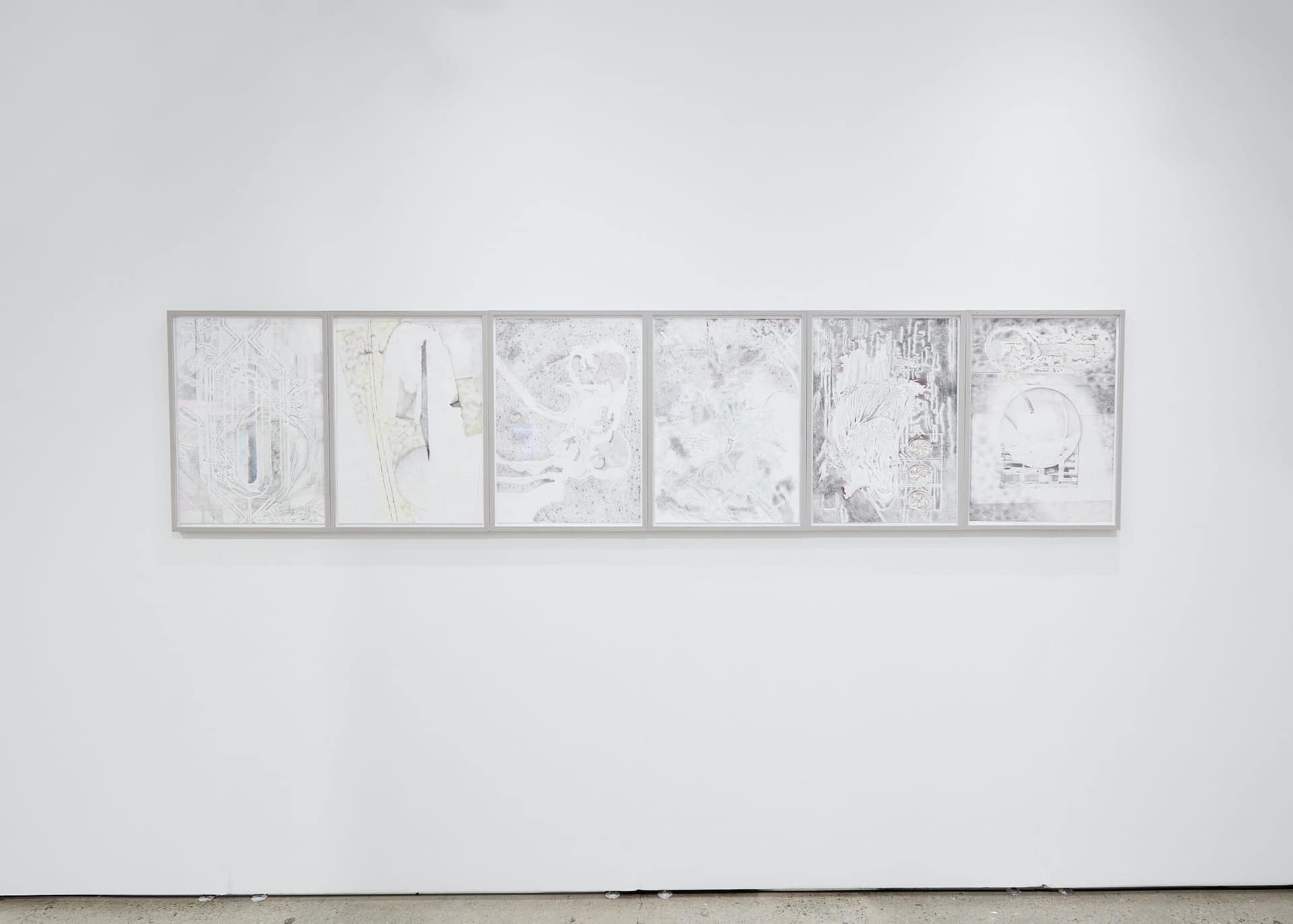
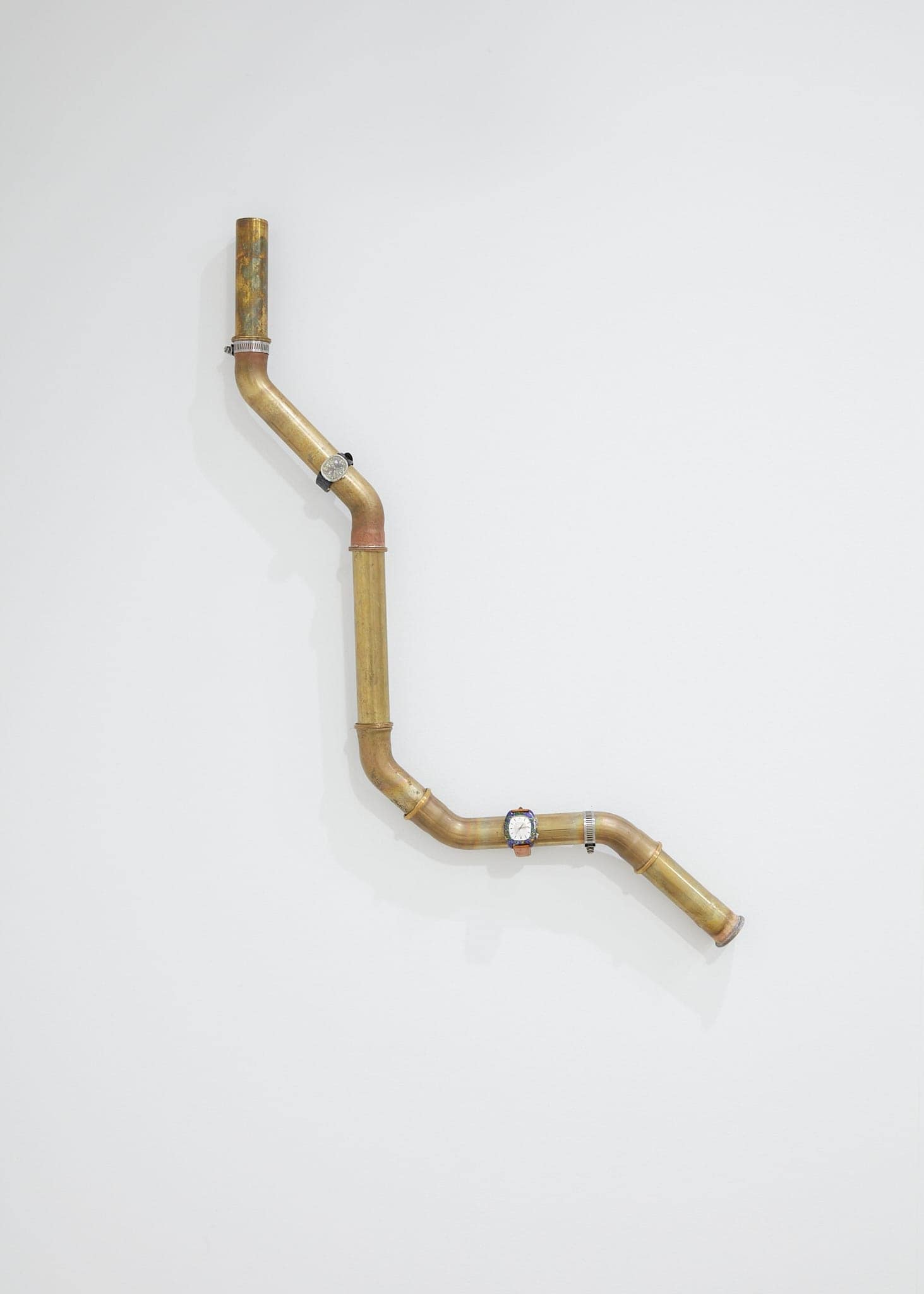
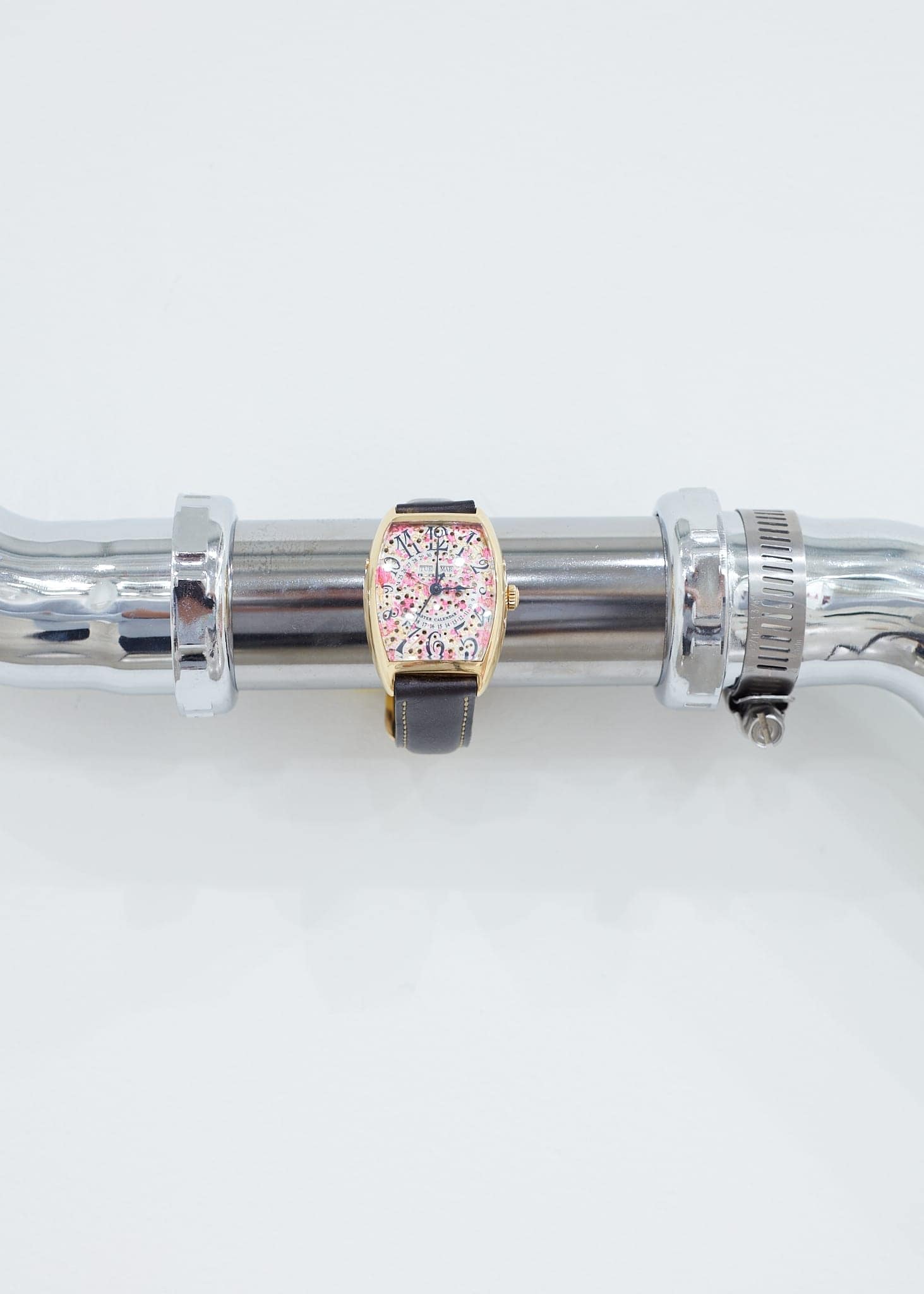
The shared exhibition was a presentation of Goodiepal’s time-machine pieces in the form of modified and beautifully restored luxury wristwatches; a presentation of Lesia Vasylchenko’s sculptures, focusing on chronopolitics in a time of crisis in geopolitics and art; and a series of drawings by Damla Kilickiran, informed by a Jungian interpretation of the formation of the self. The exhibiting artists were Lesia Vasylchenko (1990), a Ukrainian artist and curator based in Oslo, working with visual cultures, media technologies, and chronopolitics; Damla Kilickiran (1991), a Swedish-Turkish artist who worked with alternate states of being as a method for image production and knowledge through spiritistic thought traditions and psychology; and Goodiepal (1974), a Danish/Faroese experimental electronic musician, performance artist, composer, lecturer, and horologist.
|
| 2024 | 29 February – 31 March | Exhibition | Goodiepal | Stanley Brouwn & Rasmus Sørnes Joined The Guild of The Viking Klokkers | |
Goodiepal & Pachinko Presents: Stanley Brouwn & Rasmus Sørnes Joined The Guild of The Viking Klokkers
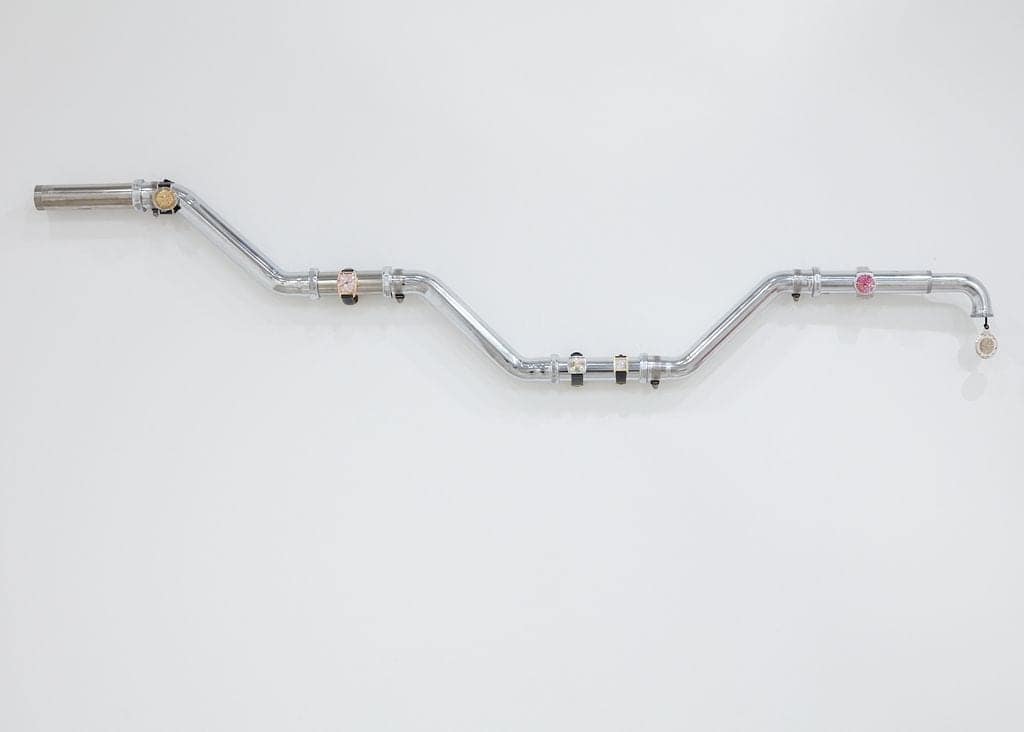
“As the extra-disciplinary pied piper on flute, magic strings, bowed instruments, clockworks, computer systems and synthesizers, he has summoned and modified a collection of works by artists as varied as Jonathan Monk, Sufie Elmgreen, David Shrigley and Peter Schmeichel, alongside a selection of vandalised luxury watches. However he casts his spells, the effects are usually boundary-blurring, with little to no regard for distinctions between disciplines, nations, individual identities and taste. Interconnected, this permutation of the collection focuses on strange time, value, and resonance computing.” Goodiepal or Gæoudjiparl van den Dobbelsteen, whose given name is Parl Kristian Bjørn Vester, is a Danish/Faroese experimental electronic musician, performance artist, composer, lecturer, and horologist. His work engages with the past, present, and future of computer music, compositional practices and resonance computing, and his concept of Radical Computer Music. His tours have included 150 universities internationally. Goodiepal has exhibited widely, including exhibitions at Museet for Samtidskunst (DK), Statens Museum for Kunst (DK), Kunsthall Oslo (NO), Ormston House (IE). At the time of writing, he has released 44 albums and countless sound works.
|
| 2023 | 7–10 December | Exhibition | Henrik Follesø Egeland | Extended Dissolve | |
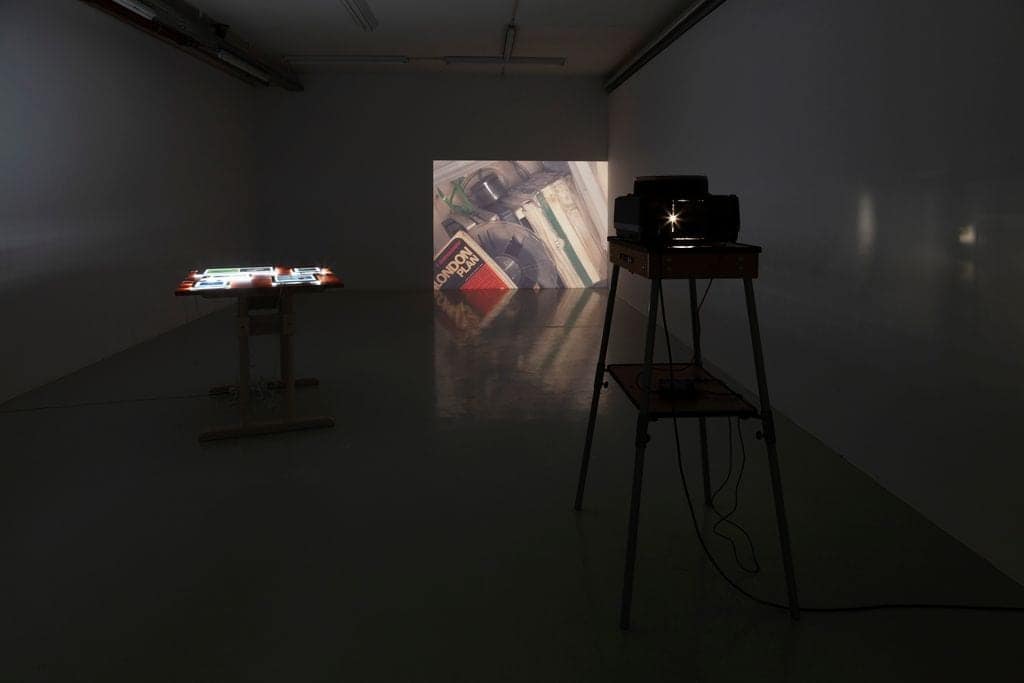
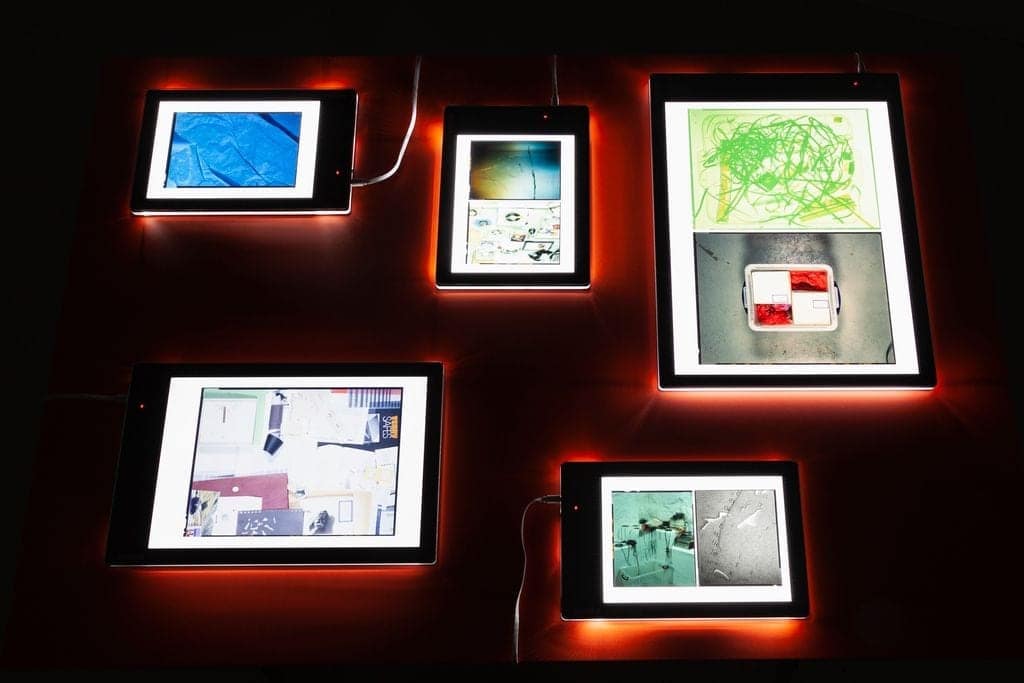
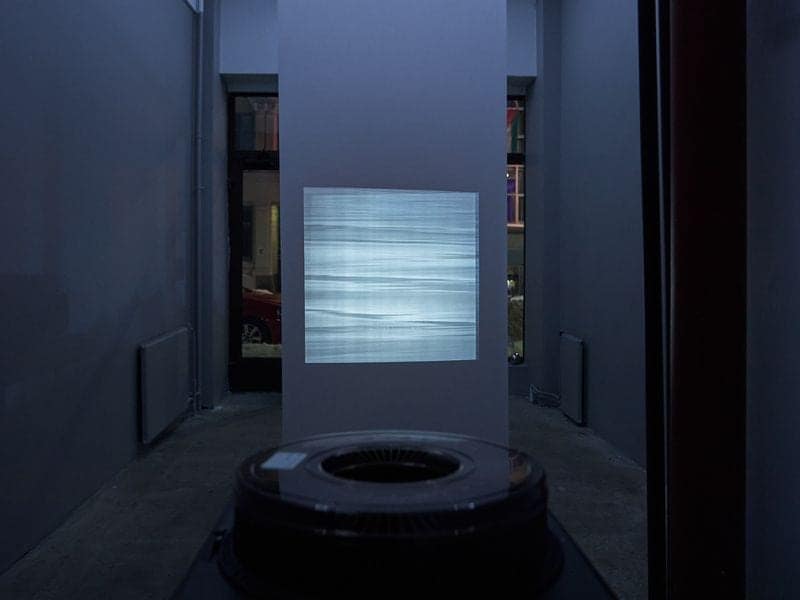
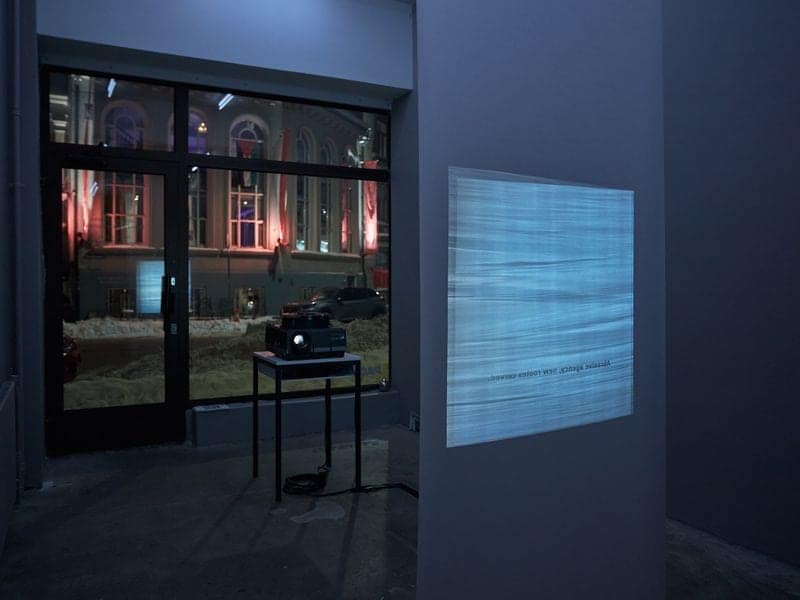
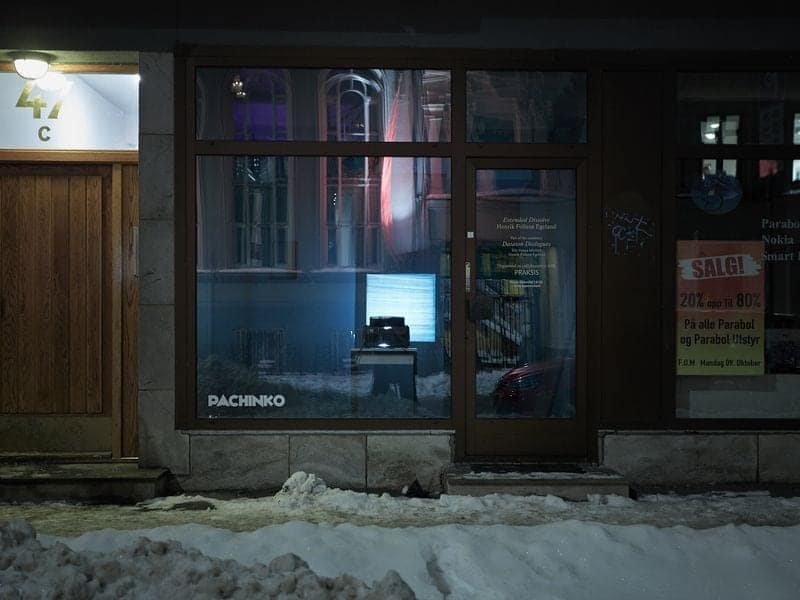
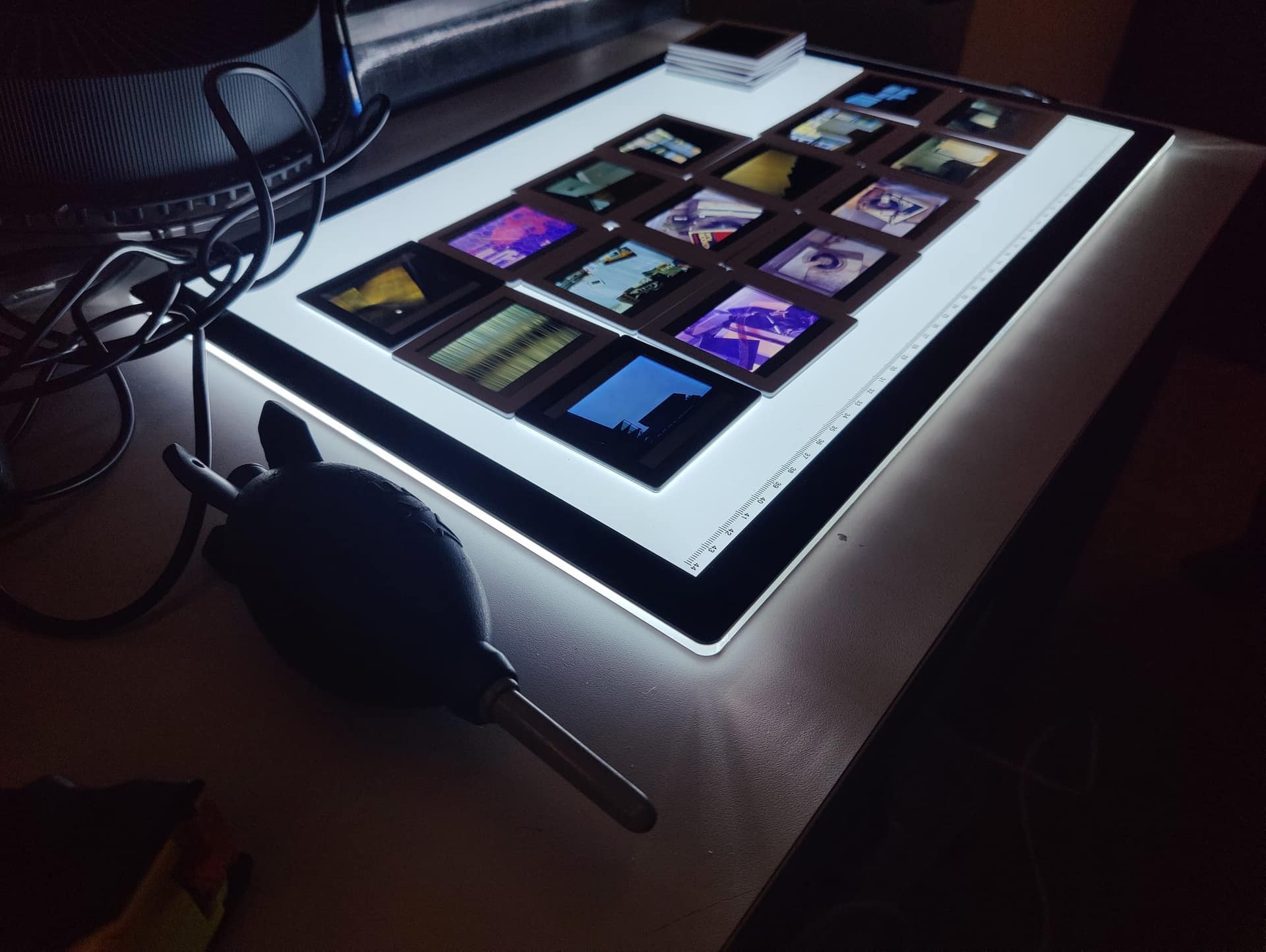
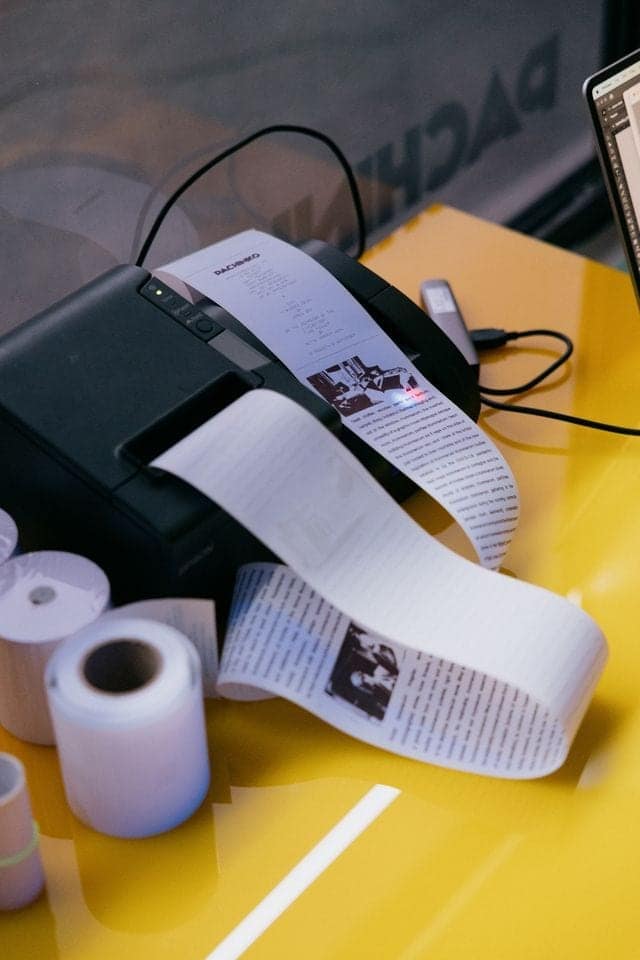
Henrik Follesø Egeland 7–10 December 2023 Using slit-scan photography and 1970s image slide PAX dissolve units, Henrik Follesø Egeland’s Extended Dissolve takes a closer look at the static image in a constant state of change.
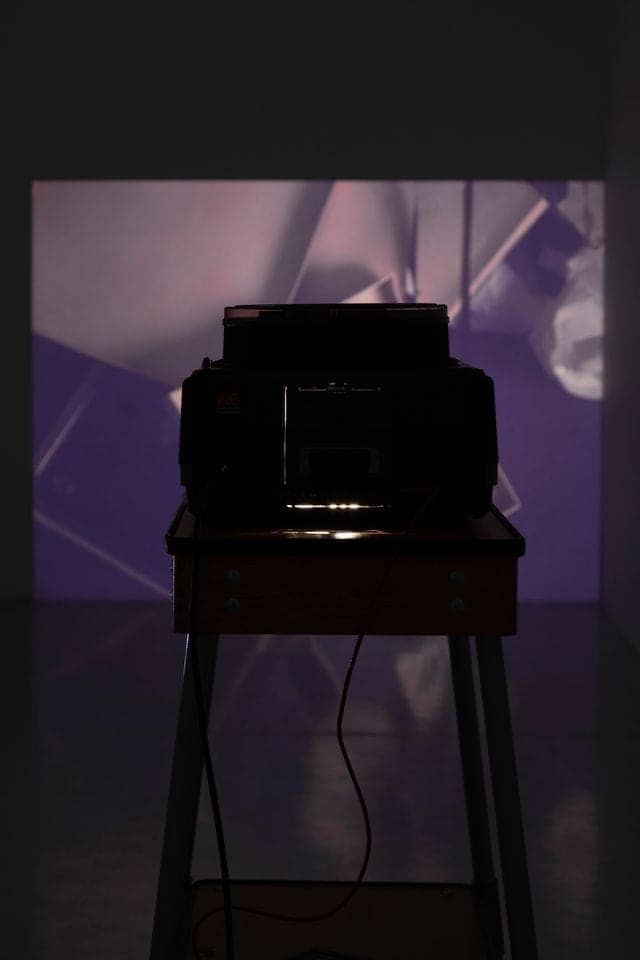
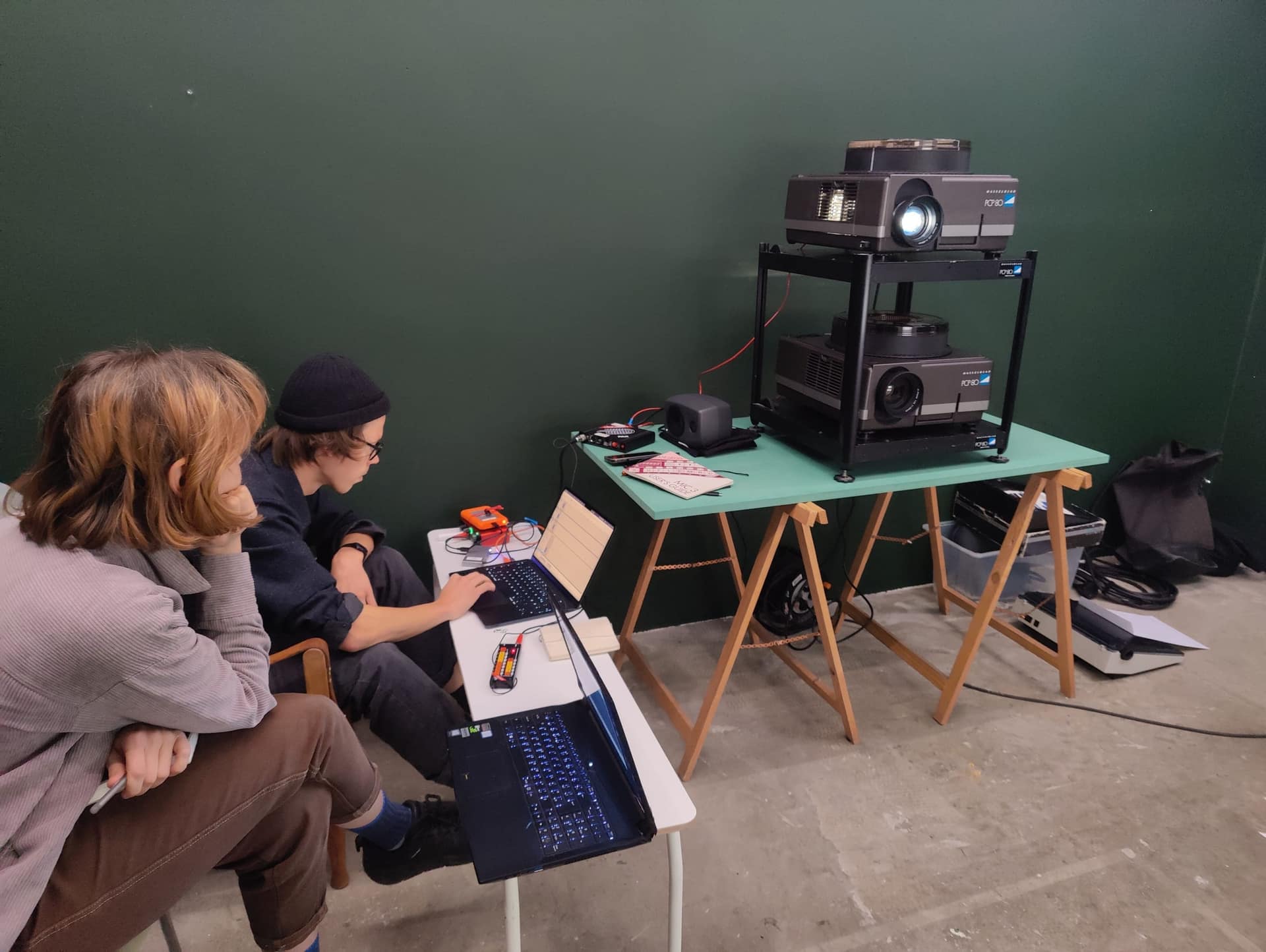
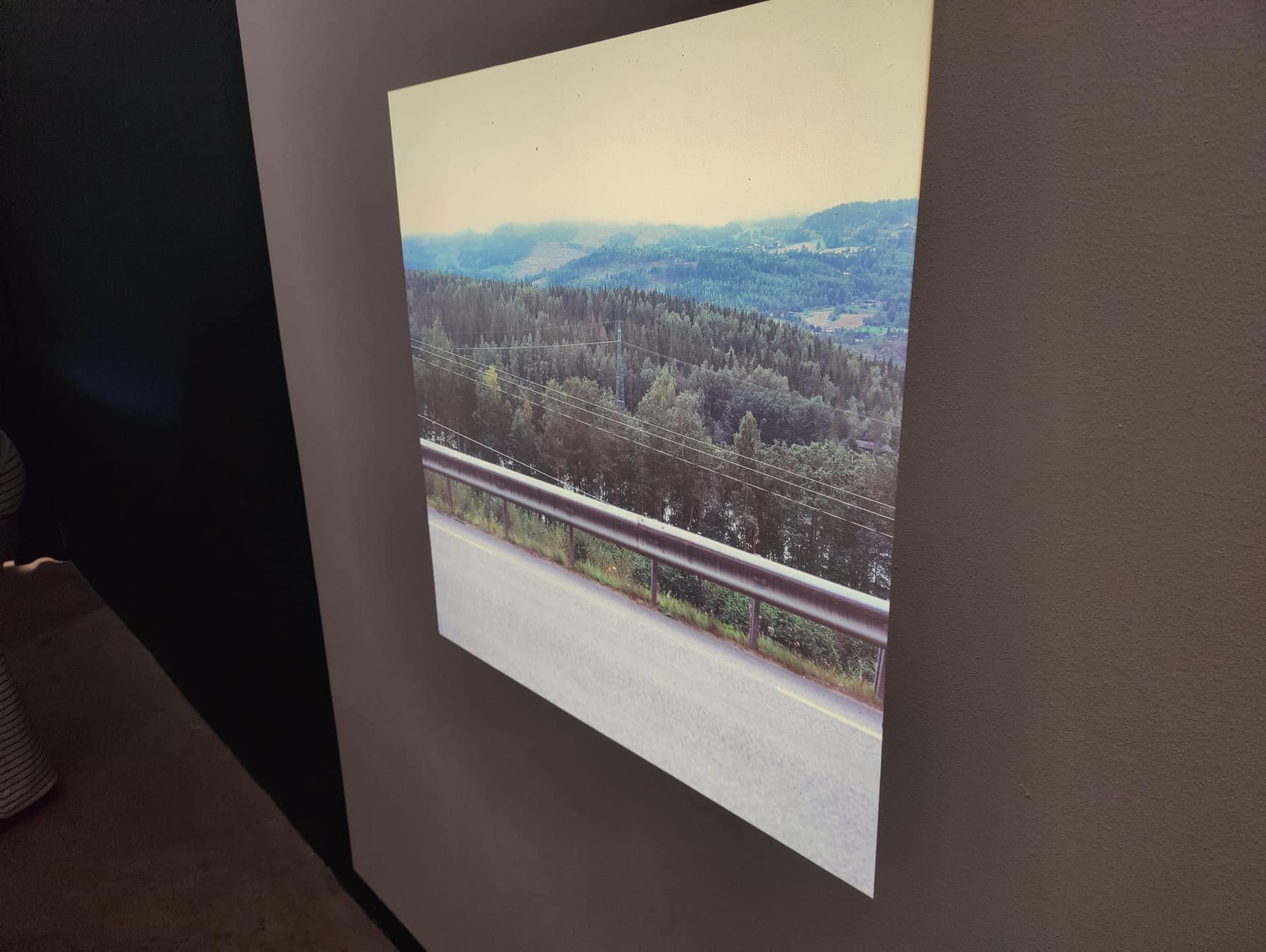
Through a combination of double- and back-projection techniques, Extended Dissolve experiments with still images in continuous dissolution. The slides on show have been captured in a specially constructed slit-scan camera – the technology most commonly used in finish line photos – at the Gudbrandsdalslågen river in south-eastern Norway. In conjunction with two image projectors, the installation is controlled by a Dataton system allowing the images to be in a constant process of seamless transition, collapsing the common idea of the photographic moment.
The term “dissolve” plays a central role in the work, carrying a dual significance of both a technical process and a poetic potential. It is a state that is uniquely characterised by its simultaneous passivity and activity, where constructive processes coexist with elements of dissolution.This exhibition is the first presentation of preliminary results from the residency Dataton Dialogues. Phase 1, centred around production, research and experimentation took place in October–November; phase 2, in December–January, now seeks to open the process to the public through talks, presentations and visits.
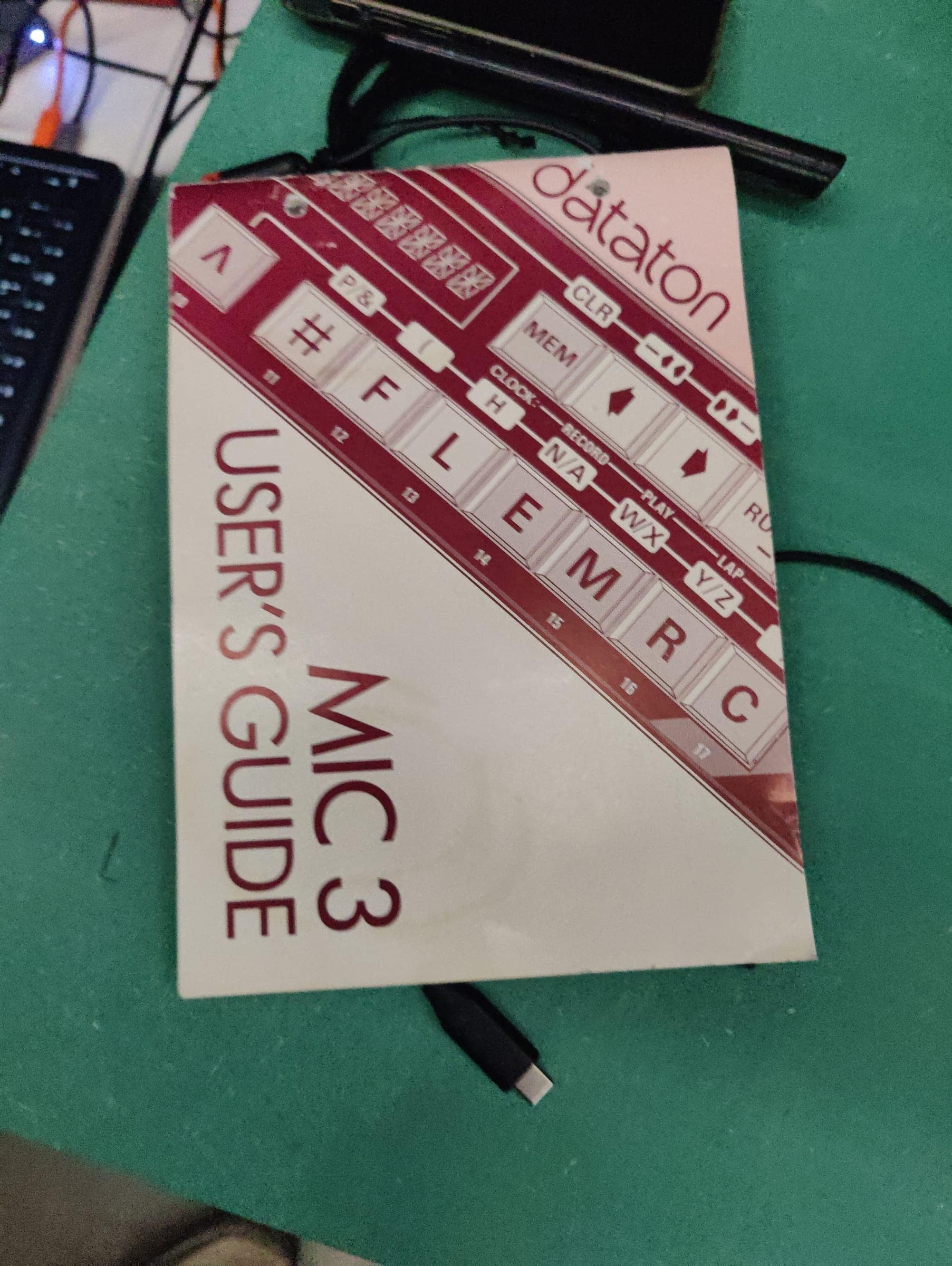
Organised in collaboration with PRAKSIS, the residency Dataton Dialogues brings Tris Vonna-Michell and Henrik Follesø Egeland to work at Pachinko from 23 October 2023 to January 2024, during which they will use a 1970s Dataton MIC 3 Programmer for PAX dissolve units to generate audiovisual experiments. Henrik Follesø Egeland (b. 1994) is an Oslo-based visual artist and photographer, and a graduate from the Oslo National Academy of Arts (MFA) as well as the University of Roehampton (BFA). Through a technical engagement with photography, his work operates both within and outside traditional photographic representation. Exploring alternative means of photographic recording and reproduction, as well as possibilities of transmutation. This technical experimentation is used as an investigative approach, to explore ideas of landscape, memory and perceptions of reality. Pulling together webs of interconnected yet disparate ideas and notions, into new constellations.
|
| 2023 | 23 October 2023 – 14 January 2024 | Residency | Kevin Malcolm, Henrik Follesø Egeland | Dataton Dialogues | PRAKSIS↗︎ |
Kevin Malcolm, Henrik Follesø Egeland 23 October 2023 – 14 January 2024 Organised in collaboration with PRAKSIS, a transnational platform for art, research and learning.
Dataton Dialogues was a 3-month residency with artists Tris Vonna-Michell and Henrik Follesø Egeland. The two artists worked at Pachinko from 23 October 2023 to January 2024, during which they configured a 1970s Dataton MIC 3 Programmer for PAX dissolve units to generate audiovisual experiments that responded to the artistic practices of Ed Vonna-Michell (1950-2020), Tris’s father. As well as drawing on the Vonna-Michell family’s history of exploring self-organised art, the residency invited contributions from other individual researchers and groups. Through this process, the residents explored the concept of authorship and developed new ways of working with archival, image and sound materials.
Conducted in two phases, the residency led to the exhibition of a slide and sound installation at Pachinko in December 2023, an exhibition in Vermilion Sands, Copenhagen, in March 2024, as well as a publication. PRAKSIS is a transnational platform for art, research and learning based in Oslo, Norway
Tris Vonna-Michell is an internationally renowned artist based in Oslo and Stockholm. Vonna-Michell’s work utilises a plethora of technical devices, modes of presentation and installational approaches, encompassing performance, audio recordings, slide projections, poetry, sound poetry, printed matter, photography and film.
Henrik Follesø Egeland is an Oslo-based visual artist and photographer, and a graduate from the Oslo National Academy of Arts (MFA) as well as the University of Roehampton (BFA). Through a technical engagement with photography, his work operates both within and outside traditional photographic representation.a
|
| 2023 | 29 September – 22 October | Exhibition | Ingrid Torvund | A Fungus Amungus | |
Ingrid Torvund (NO) is an artist and filmmaker who works in the fields of film, sculpture and drawing, and whose works explore intertwining connections between nature, culture and mythology, as well as themes of alienation and familiarity.
Torvund graduated with a BA from the Oslo Academy of the Arts in 2012. Previous solo exhibitions include Kunsthall Grenland, Spriten Kunsthall, Rom for kunst, Soft Gallery, Kunsthall Oslo and Van Etten. She has also been part of group exhibitions at Southbank Centre in London, Bomuldsfabrikken Kunsthall, Tegnerforbundet, Lillehammer kunstmuseum and PYTON, Oslo. She has been twice included in Høstutstillingen – the annual National Art Exhibition. Ingrid Torvund works are represented in the collection of the Municipality of Oslo and Kiasma in Finland.
|
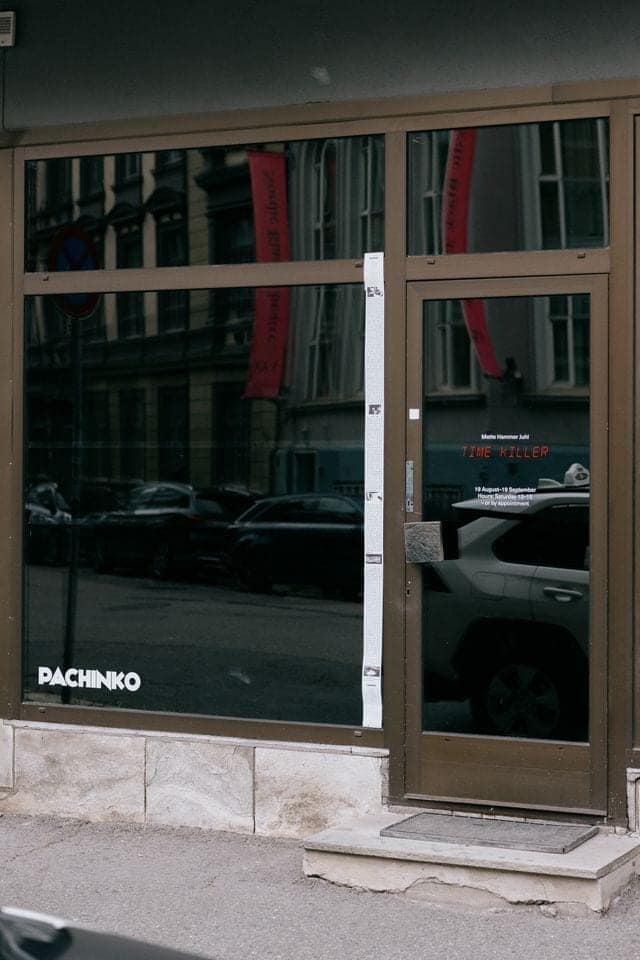
| 2023 | 18 August – 19 September | Exhibition | Mette Hammer Juhl | Time Killer | Publication (text by James Day)↗︎ |
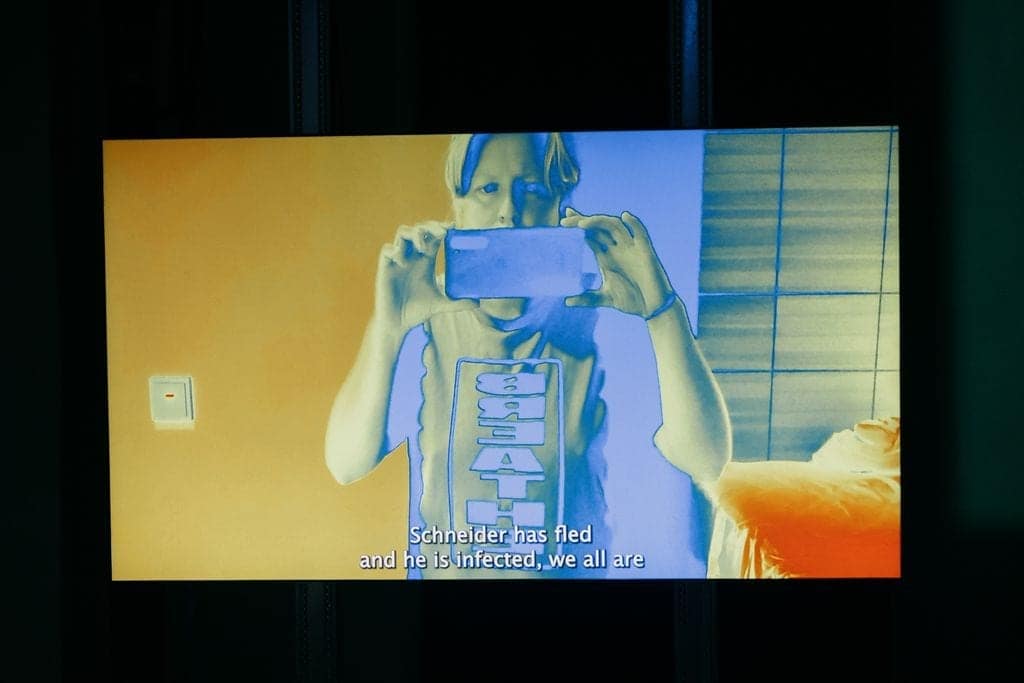
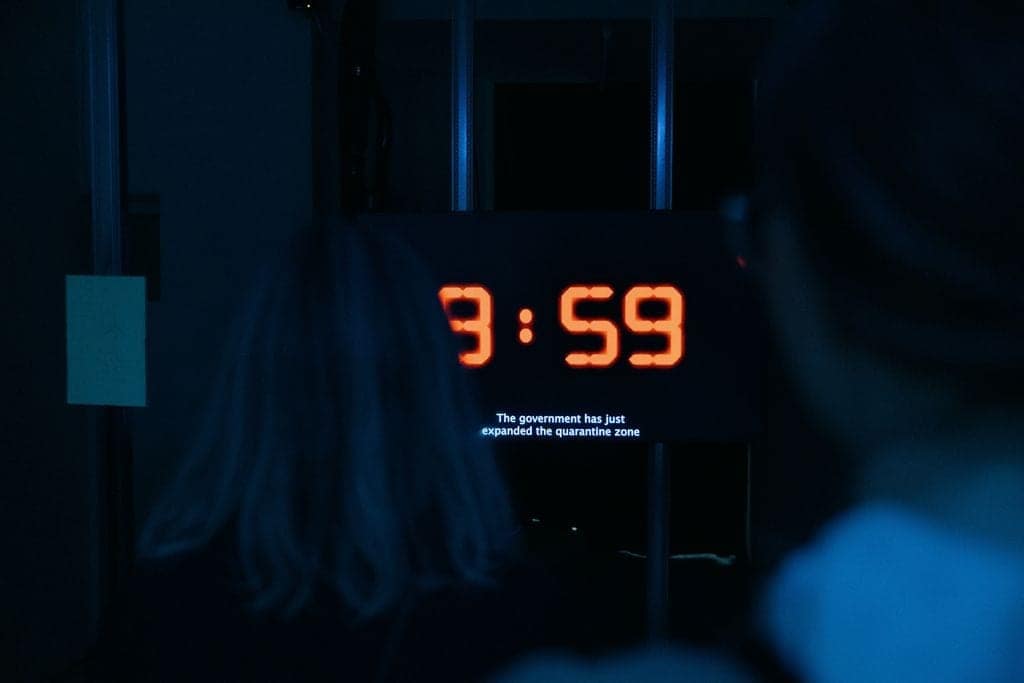
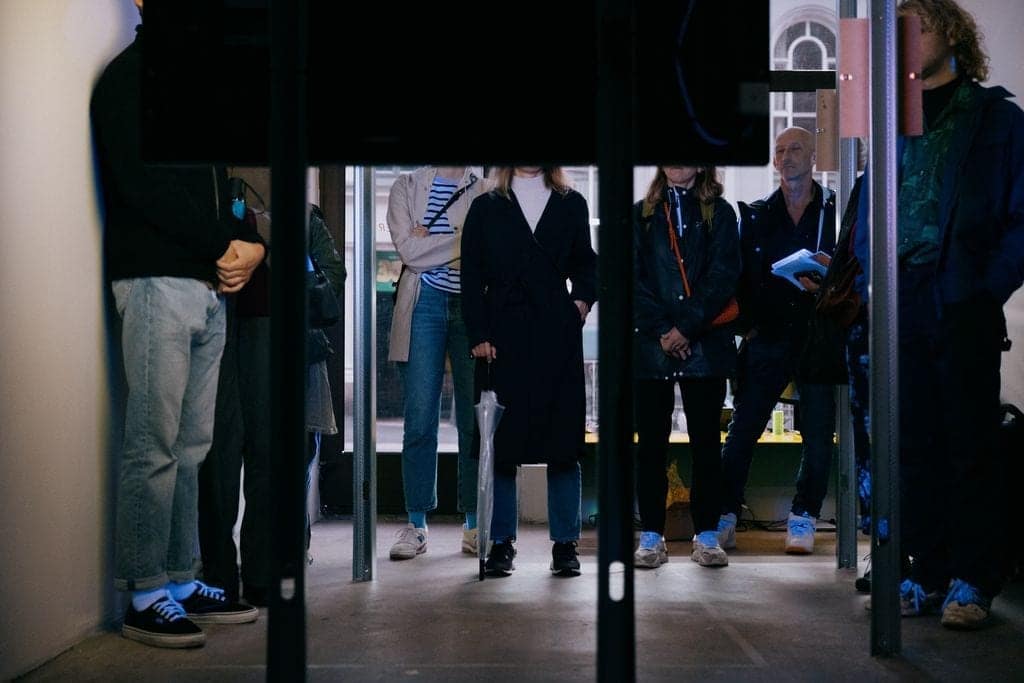
Time Killer considers how even a global pandemic with devastating consequences can, through the libidinal logic of capitalism, be transformed into an entertainment product for later consumption. The exhibition comprises the video work QuaranTEAM and three works on paper titled Quarantine Self Portraits 1, 2, 3.
QuaranTEAM brings together recordings from two very different situations. The footage was shot in 2021, towards the end of the pandemic, while Hammer Juhl was confined to a quarantine hotel for fourteen days upon arriving in South Korea for an artist residency. Filming herself as she moves around the room, she documents the daily visits of hotel staff, who point a thermometer at her forehead, as well as the longing for the world outside, glimpsed through the hotel window.
The soundtrack was recorded during the artist’s visit to a pandemic-themed escape room. Here, Hammer Juhl and two friends take part in a team-building exercise in which they must work together to resolve the catastrophe of a fictional viral outbreak. The title refers to #QuaranTEAM, a hashtag used during the pandemic to describe the small group of people chosen as one’s companions during restrictions on social gatherings. The non-diegetic sound was produced collaboratively by Mette Hammer Juhl and Andreas Stoubye Johansen.
The three self-portraits were made in the quarantine hotel using the limited materials available in the room. Three times a day, food was left outside the door. Hammer Juhl used the broth from instant noodles supplied by the hotel to paint her reflection in its mirrors. Like the ultraviolet light used to trace contamination during the pandemic, UV light makes the otherwise nearly invisible portraits appear.
The contemporary market offers an expanding range of products stripped of the very qualities that define them: coffee without caffeine, cream without fat, beer without alcohol. Mediated reality extends this logic, offering reality without its substance. Just as decaffeinated coffee resembles the real thing while removing its effect, the participants in QuaranTEAM enact a decaffeinated version of the pandemic: catastrophe converted into a recreational challenge.
This mediated reality has become a condition of late capitalism whose consequences we have barely begun to absorb. Distinctions between work and leisure, entertainment and labour, catastrophe and amusement are increasingly difficult to maintain. We no longer know whether we kiss our children goodnight because we have seen it done in films. Journalists must resist interpreting the war in Ukraine through narrative structures constructed in Hollywood. Nor can we be certain whether the figure in the video is the artist herself, whether it is the artist who offers the critique or the character who enjoys the game.
Reality has taken the form of an escape room from which there is no escape. But it is fun. Mette Hammer Juhl (DK) is a visual artist based in Copenhagen working with sound, sculpture, video and site-specific installations. Her work, often collaborative and based on collective research, explores how our cultural understandings of fun and entertainment are shaped through economic, social and political ideologies, and how this, in turn, has transformed our ideas of freedom, escape, boredom and recreation.
Prior exhibitions include Hygum Kunstmuseum (DK), Four Boxes Gallery (DK), Bergen Kunsthall (NO), Den Frie (DK), Institut Funder Bakke (DK), Vermilion Sands (DK), First Draft (AU), Copenhagen Contemporary (DK), and Auto Italia (UK).
|
| 2023 | 23 June – 23 July | Exhibition | Arisa Purkpong | Punched Card | |
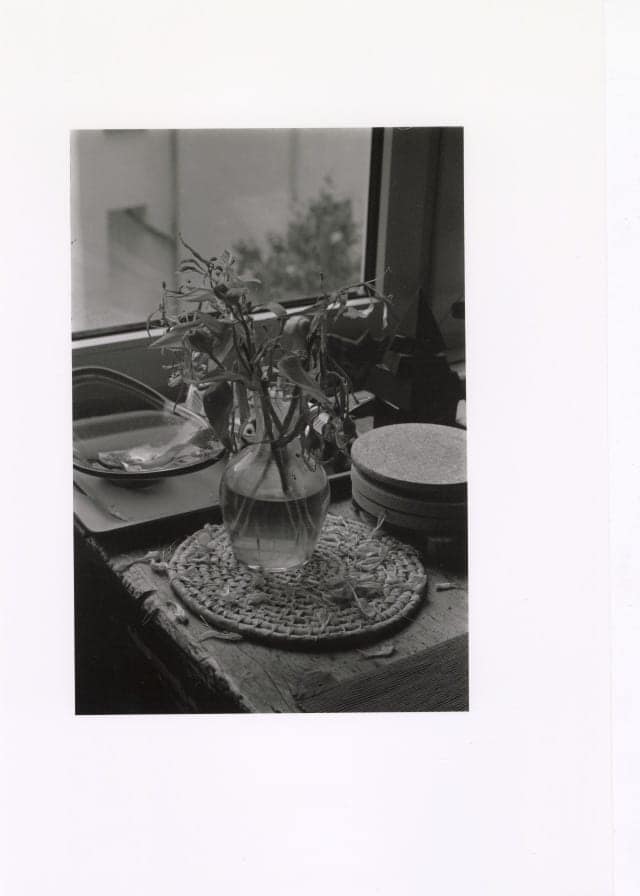
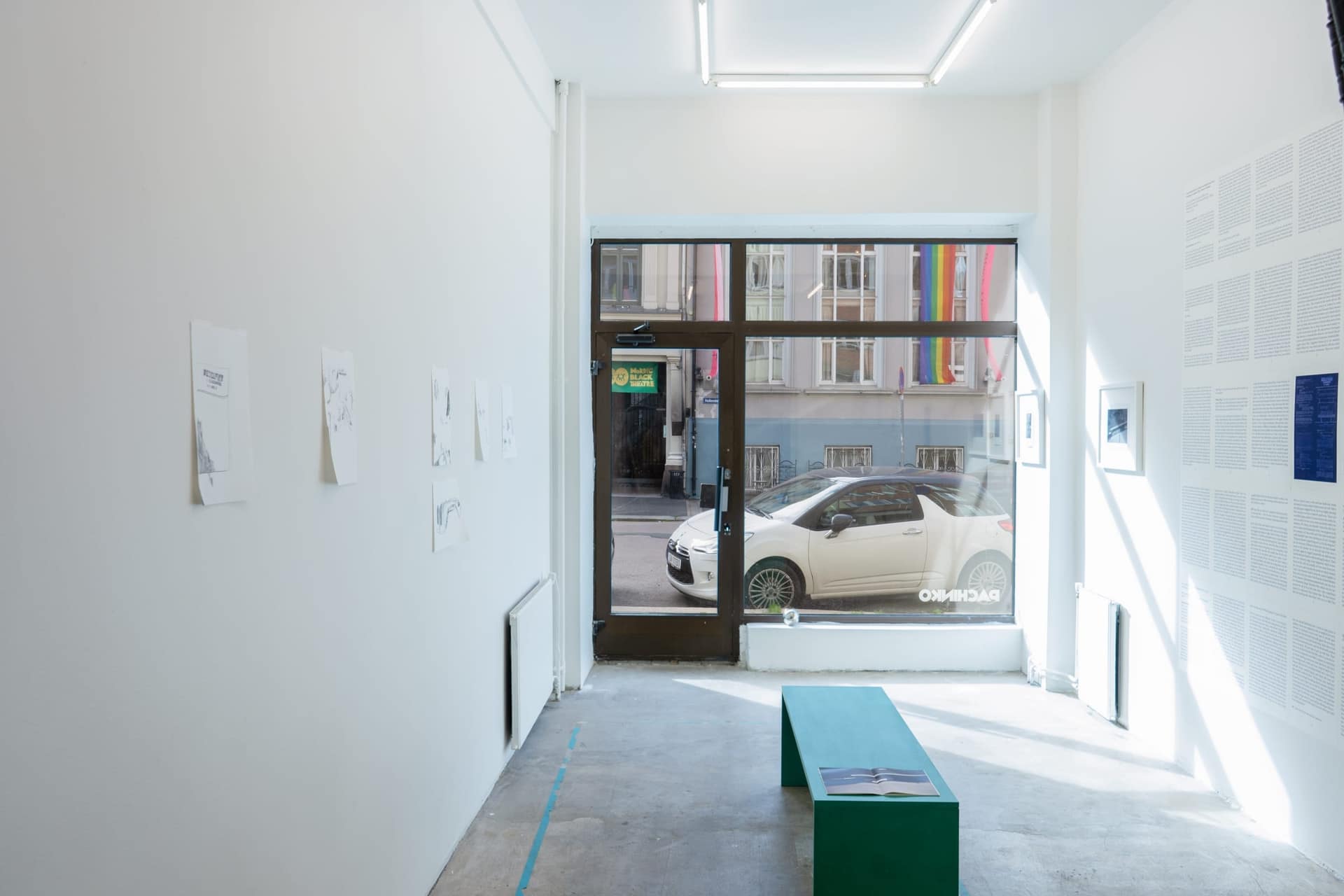
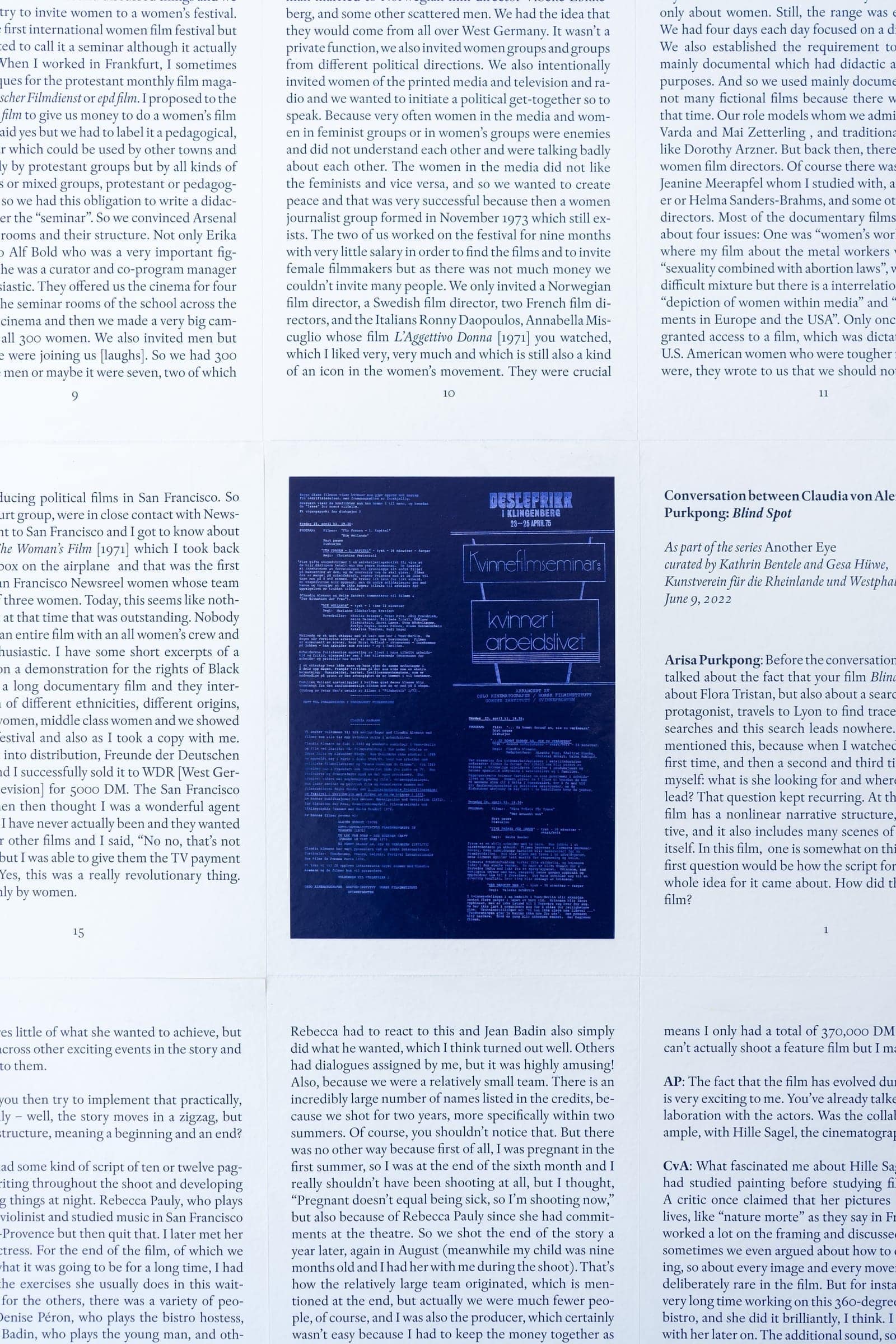
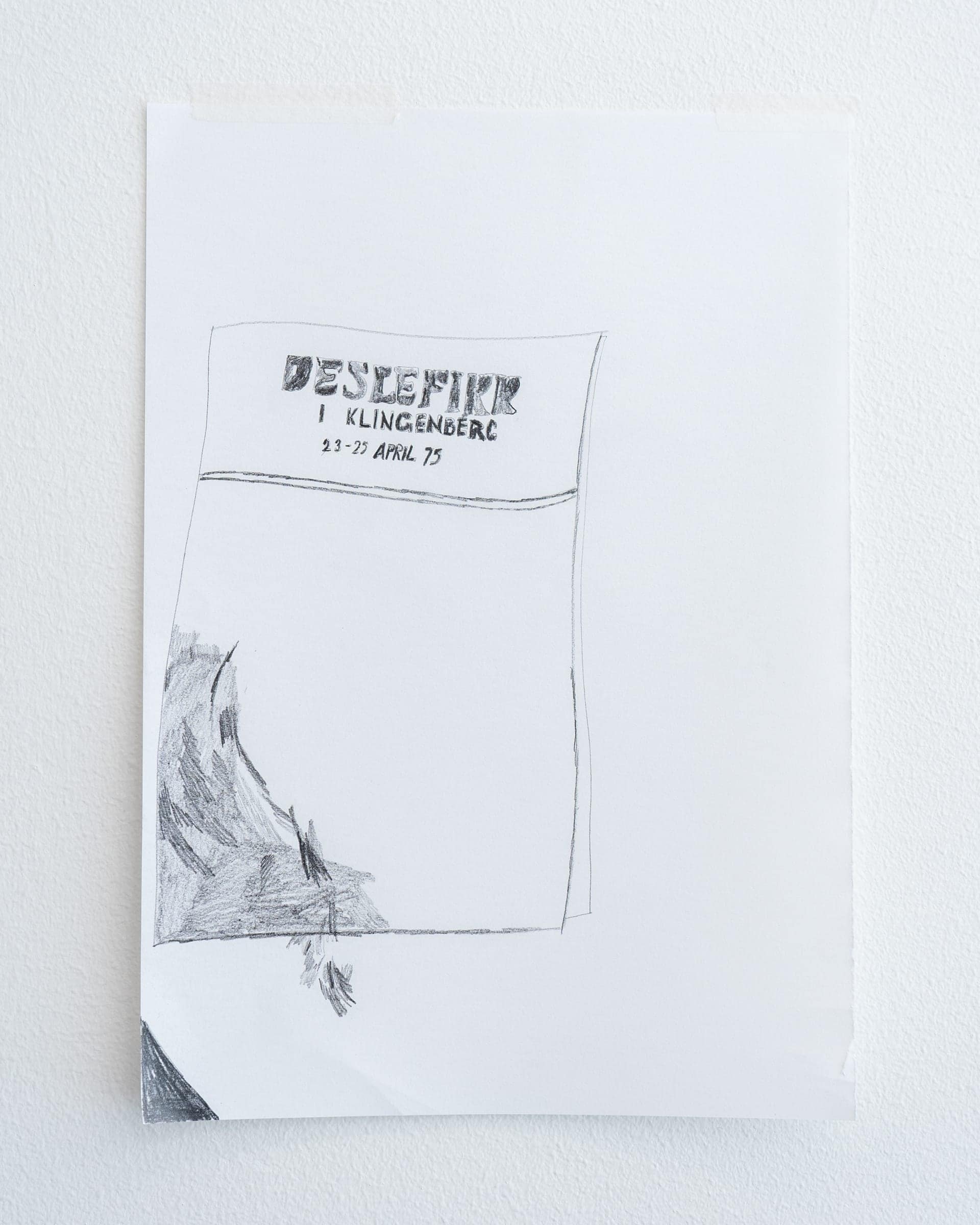
Arisa Purkpong 23 June – 23 July 2023 When pausing to look at a detail my gaze drifts off to something unexpected. The other day I saw Claudia von Alemann’s first film Einfach [Simple] (FRG, 1966) for the first time. It is about the attempt to capture something that cannot be grasped. Not unlike language – the way we fumble our way through the right words to describe something – it’s worth it to stutter for a moment in order to locate the closest sentence even at the risk of coming across as fragmented or chaotic.
-
A hand-stitched publication was published on the occasion of the exhibition. Arisa Purkpong (b. 1995) lives and works in Düsseldorf and Oslo.
They studied at the Kunstakademie Düsseldorf with Trisha Donnelly and Christopher Williams. In their artistic practice, Arisa Purkpong uses the media of video, photography and graphics, which they collage to make publications and installations. Their work has previously been shown at Trafo Kunsthall, Asker (2023), the Sammlung Philara, Düsseldorf (2021); Baustelle Schaustelle - Raum für Junge Kunst, Essen/Düsseldorf (2020); Am Ende des Tages, Düsseldorf (2020); KIT - Kunst im Tunnel, Düsseldorf (2019); and Tentacles Gallery, Bangkok (2019). They developed a film screening for the event series Another Eye at Kunstverein für die Rheinlande und Westfalen, Düsseldorf (2022) and the Feminist Film Program (with the support of Claudia von Alemann and Christopher Williams) at Black Box Kino, Düsseldorf (2020).
|
| 2023 | 26 March | Performance | Natalie Price Hafslund, Javon Bennett | Feelings for Strangers | |
I don’t know you yet
maybe I never will
but I have feelings for you
for you to have
or for you to leave
I can put the feelers out
and I can be strange
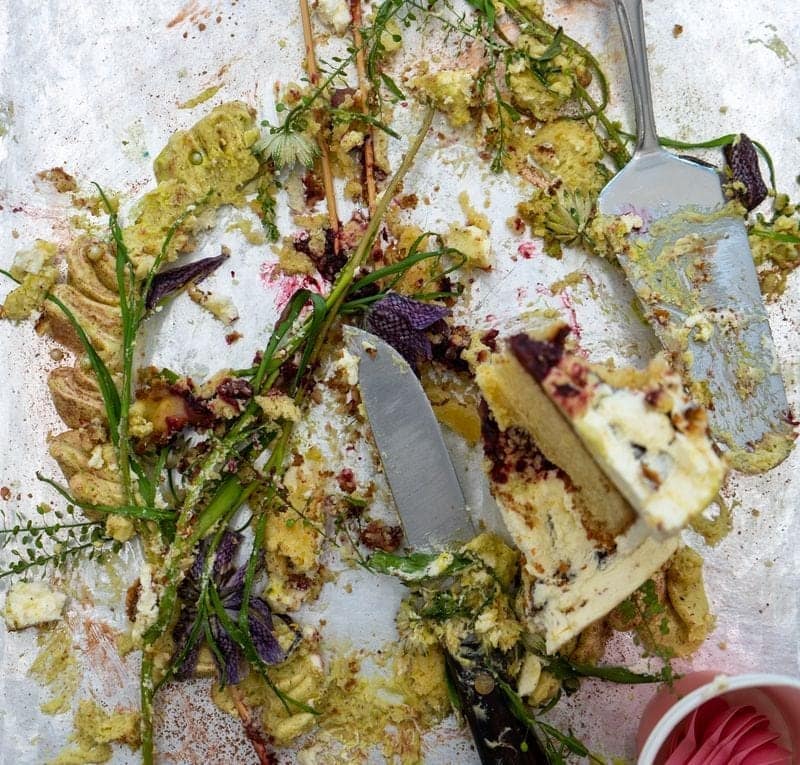
and you can eat cake
if you like Javon Bennett works as a baker to create deliciously edible installations. Playfully exploring ingredients to stretch and extract flavours, textures and colours, applicating with a somewhat painterly eye and approach. His creations serve to hold a purposeful presence to be shared and gorged; to bring fleeting bliss with fantastical beauty. All the way down.
Natalie Price Hafslund is an artist and writer based in Oslo experimenting with notions of sociality, consciousness and narrative. Previous exhibitions include The Will to Believe, SET, London 2022, L’angoisse Dominicale, Treize, Paris 2022, Mirror of Impalpable Nudity, GAO, London 2020, Imagoholics, Elephant, Los Angeles 2019 and Clean Criminal, UKS and Kunstnernes Hus Oslo 2018.
|
 Skip to content

.jpg&w=1920&q=72)